
Multi-family housing assets host high occupant densities and experience continuous structural wear throughout the year. When building management delays addressing initial exterior degradation, localized moisture intrusion rapidly expands throughout adjacent units and underlying structural elements. In dense residential structures, small exterior leaks penetrate deep into interior framing, creating severe structural decay, drywall deterioration, and compromised indoor environmental quality. Addressing these vulnerabilities early preserves capital property value while securing safe living environments for every resident across the community. Property managers who institute systematic assessment protocols protect physical structures from sudden structural degradation while maintaining steady occupancy rates.
How Does Environmental Stress Compromise Structural Integrity in Multi-Family Units?
Proximity to harsh weather elements subjects exterior building surfaces to unrelenting moisture cycles, temperature fluctuations, freezing conditions, and severe wind-driven rain. Over time, protective exterior coatings degrade, allowing water to migrate behind exterior siding, masonry, and perimeter trim. Once moisture enters internal wall assemblies, load-bearing wood framing rots, interior drywall collapses, and thermal insulation loses its effectiveness completely. This structural deterioration spreads laterally across shared wall systems, compromising entire residential blocks and creating massive structural liability.
Executing multifamily restoration projects restores protective exterior envelopes before water breaches structural frames. Professional application of high-durability sealant barriers, exterior painting, and targeted siding repairs halts environmental degradation at the immediate surface. Addressing wall cavities promptly prevents interior moisture damage and stops active decay cycles across connected multi-family structures. Maintaining structural tightness prevents moisture accumulation inside building cavities, safeguarding overall framework stability across seasons.
Why Is Regular Exterior Upkeep Essential for Property Asset Value?
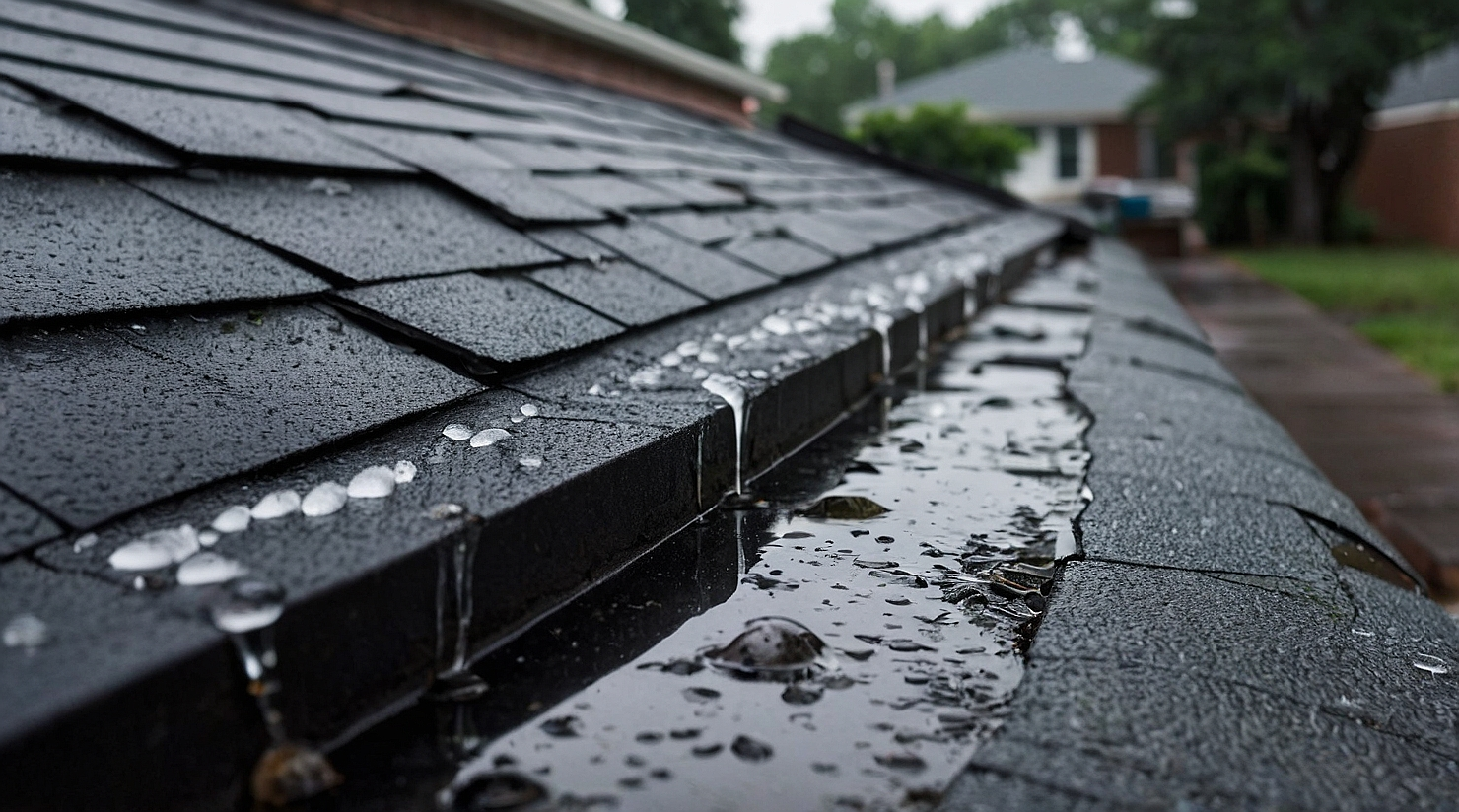
Building envelopes experience ongoing physical stress through continuous thermal movement, solar exposure, and heavy rain accumulation. Neglecting periodic roof and facade inspections allows minor flashing gaps, clogged drainage channels, and subtle sealant failures to go completely unnoticed. When heavy rainwater builds up along rooflines, standing water seeks paths of least resistance, causing subfloor decay, internal wall deterioration, and severe ceiling destruction in living spaces below.
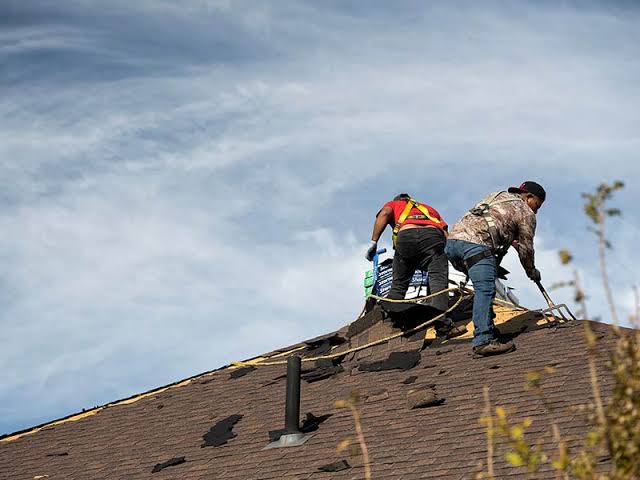
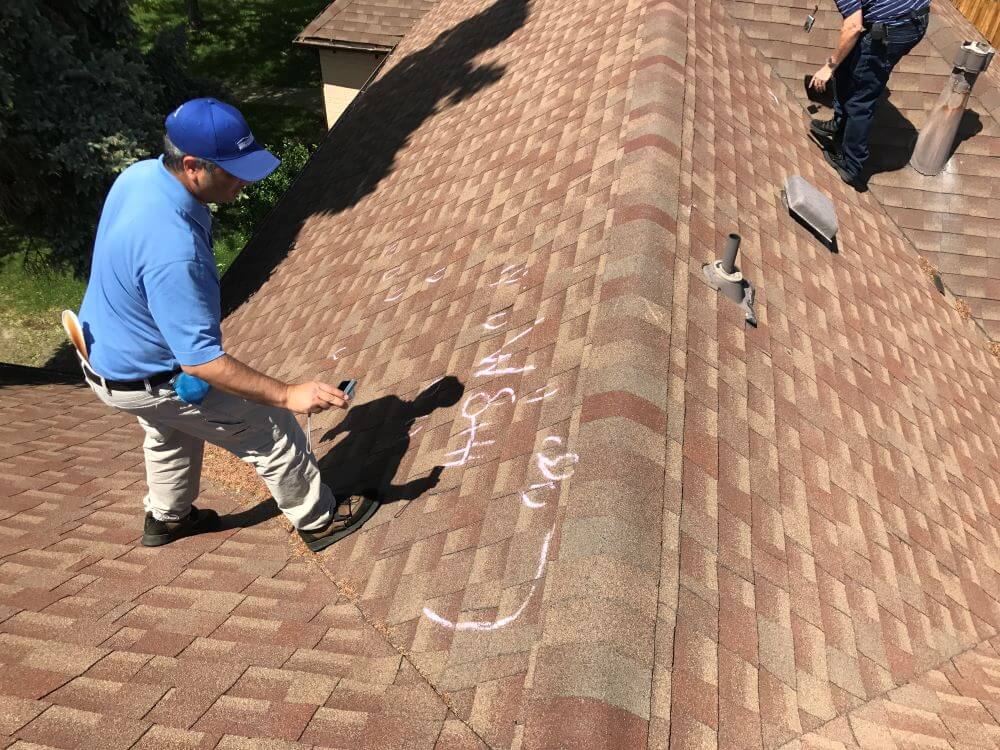
Implementing routine roof maintenance identifies hairline membrane cracks and loose flashing seals long before severe storms strike the area. Scheduled maintenance programs keep drainage pathways clear, flashing strips tight, and roof shingles properly secured against strong wind forces. Maintaining protective exterior surfaces keeps water moving off roof structures efficiently, preventing inner structural failure and preserving long-term property valuation. Regular assessments provide actionable visual data regarding material wear, allowing owners to address minor fixes prior to widespread structural breakdown.

How Do Integrated Building Services Prevent Escalating Property Loss?
Multi-family restoration demands fully coordinated physical solutions across multiple specialized trade disciplines rather than isolated surface fixes. When a facility manager hires separate, uncoordinated contractors for distinct maintenance tasks, critical structural interfaces between rooflines, exterior walls, and drainage assemblies remain vulnerable to water entry. Uncoordinated execution often leaves perimeter joints unsealed, leading to hidden leak pathways and systemic structural deterioration throughout the structure.
Engaging technical roofing contracting services unifies complex structural repairs under a single, systematic operational plan. Streamlined execution aligns window unit replacement, exterior painting, siding installation, and structural framing corrections into one seamless workflow. Property owners gain complete operational oversight while eliminating functional gaps between building components. Managed contractor workflows reduce long-term maintenance overhead by eliminating overlapping labor efforts and preventing repeated construction delays.
How Do Specialized Roof and Drainage Systems Safeguard High-Density Buildings?
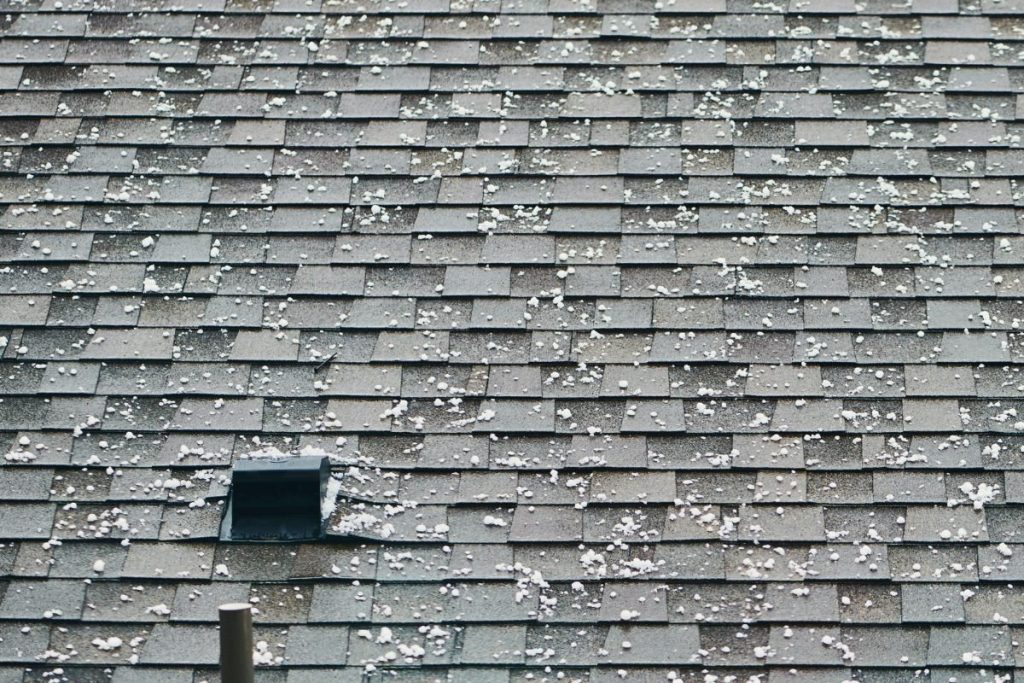
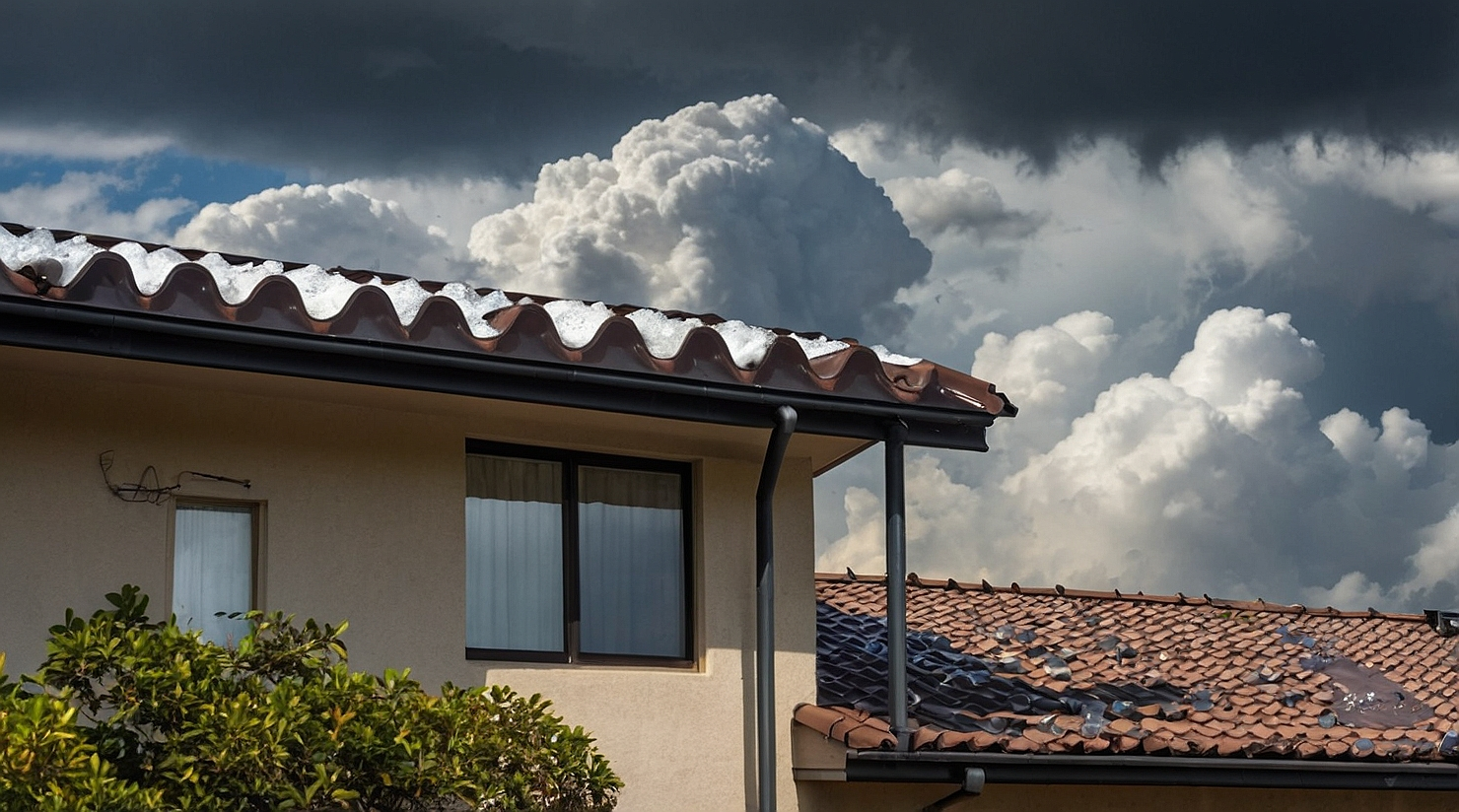
Roof assemblies represent the principal defense against severe weather patterns and relentless seasonal rainfall. When aging roof membranes weaken or strong wind storms fracture protective shingles, underlying structural decks absorb surface water rapidly. In high-density residential properties, top-floor roof leaks quickly expand into multi-level structural disasters, damaging multiple tenant units within hours.
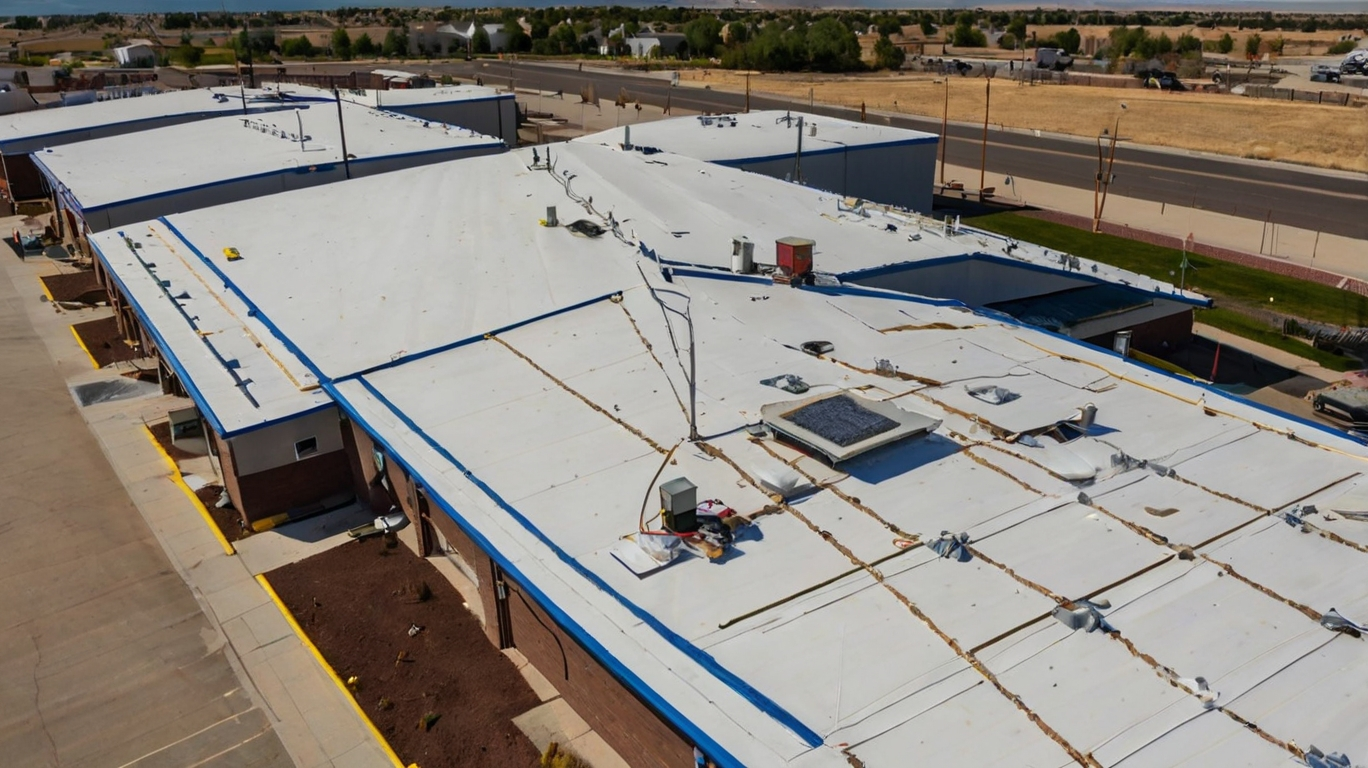
Installing modern residential roofing systems provides durable barrier protection engineered specifically for multi-tenant apartment complexes and townhouse communities. Correct material selection coupled with expert application prevents water infiltration across complex roof planes. For flat or low-slope building sections, technical commercial roofing techniques establish watertight physical barriers across large surface areas, shielding underlying structural frameworks from severe weather events.
Furthermore, managing heavy volume water discharge requires high-capacity drainage infrastructure. Installing sturdy gutters channels torrential rainwater safely away from building foundations and vulnerable exterior walls. Effective water diversion eliminates soil erosion along footings, stops foundation cracking, and protects lower wall siding from continuous splash-back moisture damage. Proper water flow management protects ground-level structures from foundation settling and moisture accumulation
Faithful Roofing & Contracting delivers the specialized technical expertise needed to safeguard multi-family properties across varying regional climates by thoroughly evaluating every component to satisfy demanding structural standards. Have your asset receive proactive attention, halting structural deterioration early and preserving long-term property value today!