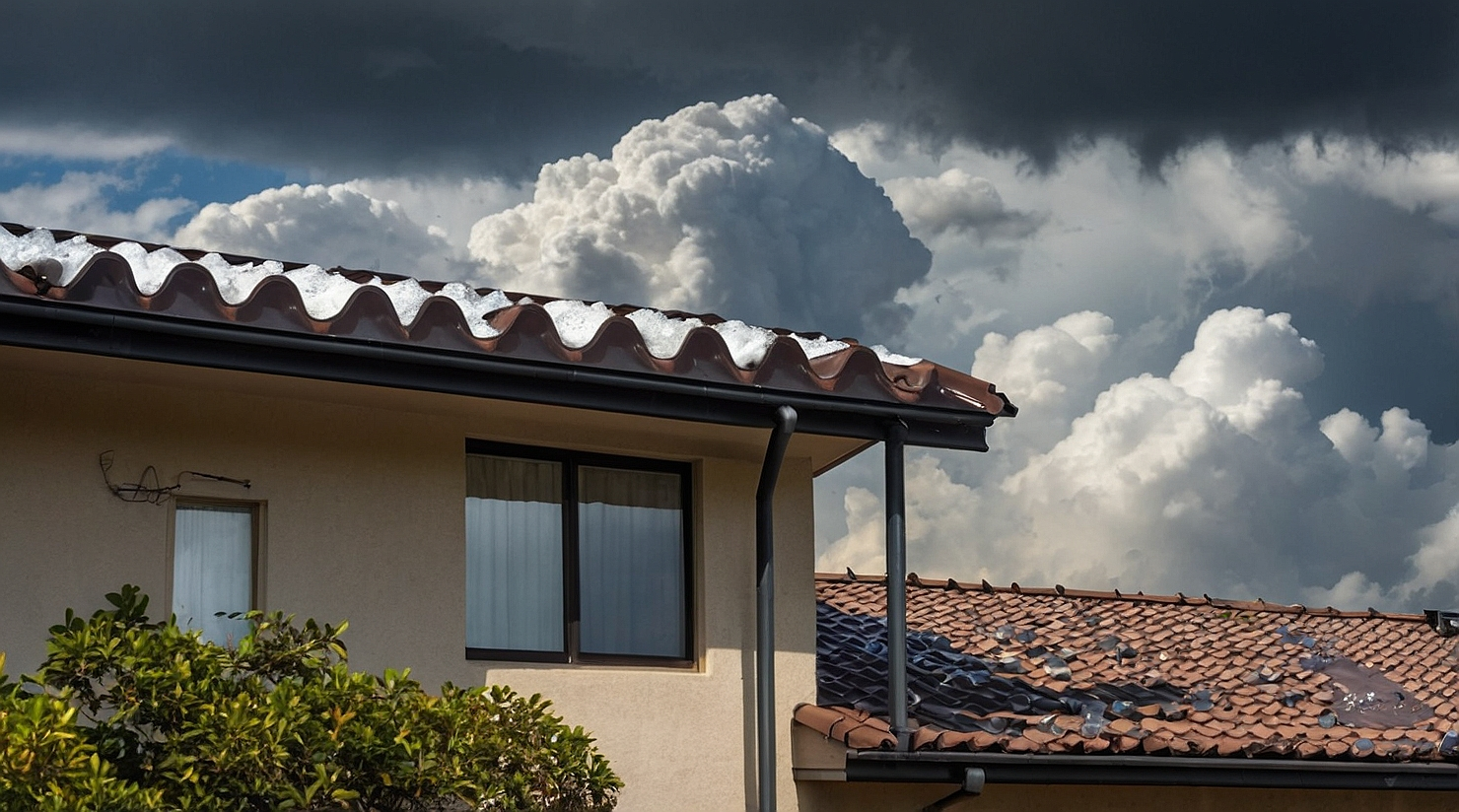

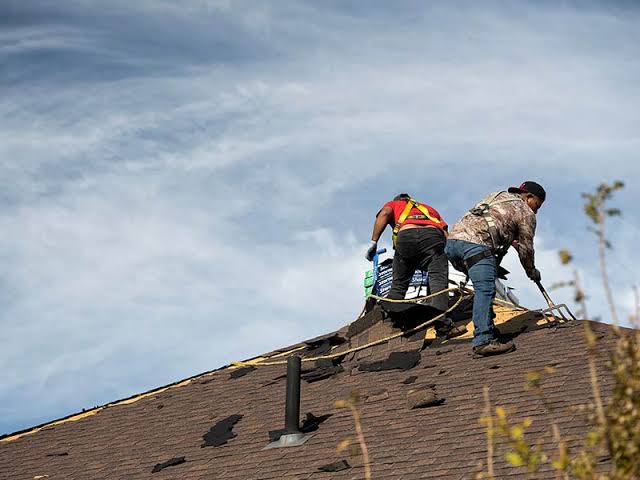
The check arrives from your insurance company three weeks after the storm, and it’s $4,200 less than you expected. No explanation that makes sense. No line items you can argue with easily. Just a number that doesn’t cover the work your contractor quoted, and now you’re stuck trying to figure out what went wrong.
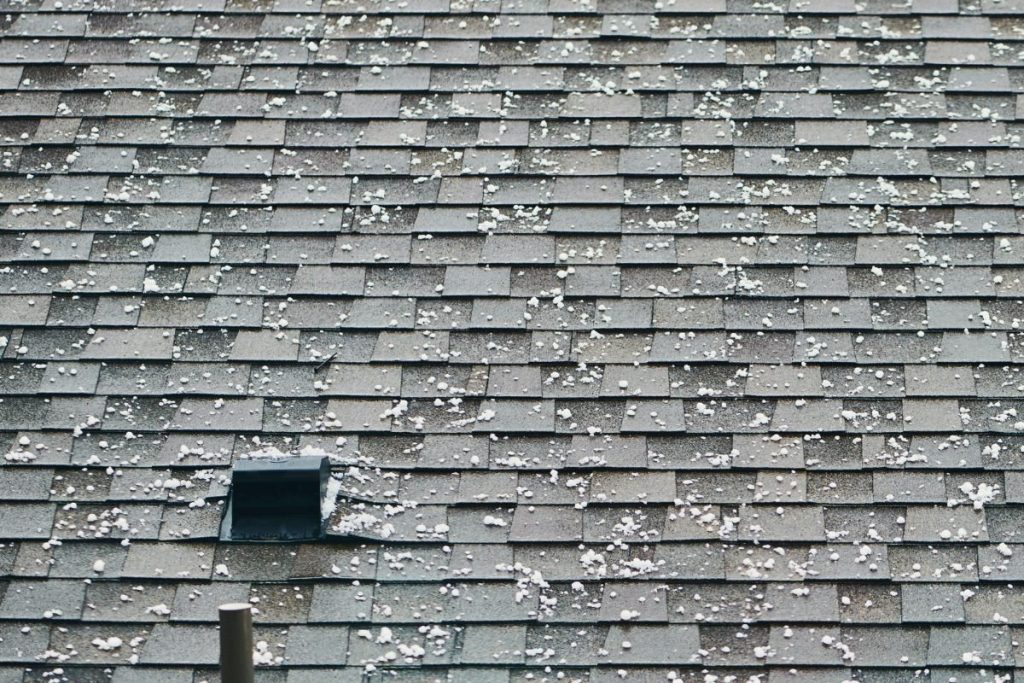
This happens constantly in Boulder. Insurance claim roof repair sounds straightforward in theory. Hail hits your roof, you file a claim, insurance pays, contractor fixes it. But every stage of that process has a decision point where Boulder homeowners lose money they didn’t have to lose. Most of the time, it’s not because the insurance company is being unfair. It’s because the homeowner didn’t know what to expect, missed a step, or didn’t have the right contractor involved early enough.
Here are the specific mistakes that cost people the most, and how to avoid each one.
The Depreciation Check Catches Everyone Off Guard
Most homeowner’s insurance policies in Colorado are replacement cost value (RCV) policies. That’s the good news. The confusing part is how the payout actually works.
Your insurance company doesn’t write one check for the full replacement amount. They send an initial payment based on the actual cash value (ACV), which is the replacement cost minus depreciation. If your roof is twelve years old, the depreciation holdback can easily run several thousand dollars. That initial check looks short because it is short, on purpose.
Here’s what many Boulder homeowners don’t realize. The remaining money, the recoverable depreciation, gets released after the work is completed and you submit proof of the final invoice. If you never complete the repair, or if you pocket the ACV check and do nothing, you forfeit that recoverable depreciation entirely. On a typical Boulder roof replacement running $12,000 to $18,000, the holdback can be $3,000 to $6,000. That’s real money left on the table.
A contractor experienced in insurance claim roof repair will explain this two-check process upfront. They’ll also help you understand the scope of work your policy approved so there are no surprises when the final invoice is submitted.
Your Deductible Probably Isn’t What You Think
Colorado’s insurance market has shifted dramatically in the last few years. Premiums across the state roughly doubled between 2020 and 2025, and carriers are restructuring deductibles to offset hail-related losses. Colorado ranked fourth nationally for hail damage claims in 2024, with over $521 million reported through State Farm alone.
What this means for Boulder homeowners: your wind and hail deductible is likely a percentage of your home’s insured value, not a flat dollar amount. A 2% deductible on a home insured for $650,000, which is modest by Boulder standards, means $13,000 out of pocket before insurance pays anything.
That’s a shock if you were expecting a $1,000 or $2,500 flat deductible. And it changes the math on whether filing a claim makes sense at all for minor damage.
- Check your declarations page before the storm. The “dec page” is the summary of your policy. It lists your deductible structure clearly. Know this number before you need it, not after.
- Understand that nobody can legally waive your deductible. Under Colorado Senate Bill 38, any contractor who offers to cover, absorb, or rebate your deductible is committing insurance fraud, and asking you to participate in it.
- Calculate the break-even. If the repair estimate is close to your deductible amount, filing a claim may not be worth it. A claim on your record can trigger premium increases or even nonrenewal, especially if your roof is older.

Why Your Contractor Needs to Be There Before the Adjuster
This is the single biggest mistake in the insurance claim roof repair process, and the easiest one to fix.
Most homeowners file a claim, wait for the adjuster to show up, let the adjuster write the scope alone, and then hand that scope to a contractor afterward. By that point, the damage has already been assessed, the line items have been set, and the dollar amount is locked in, at least initially.
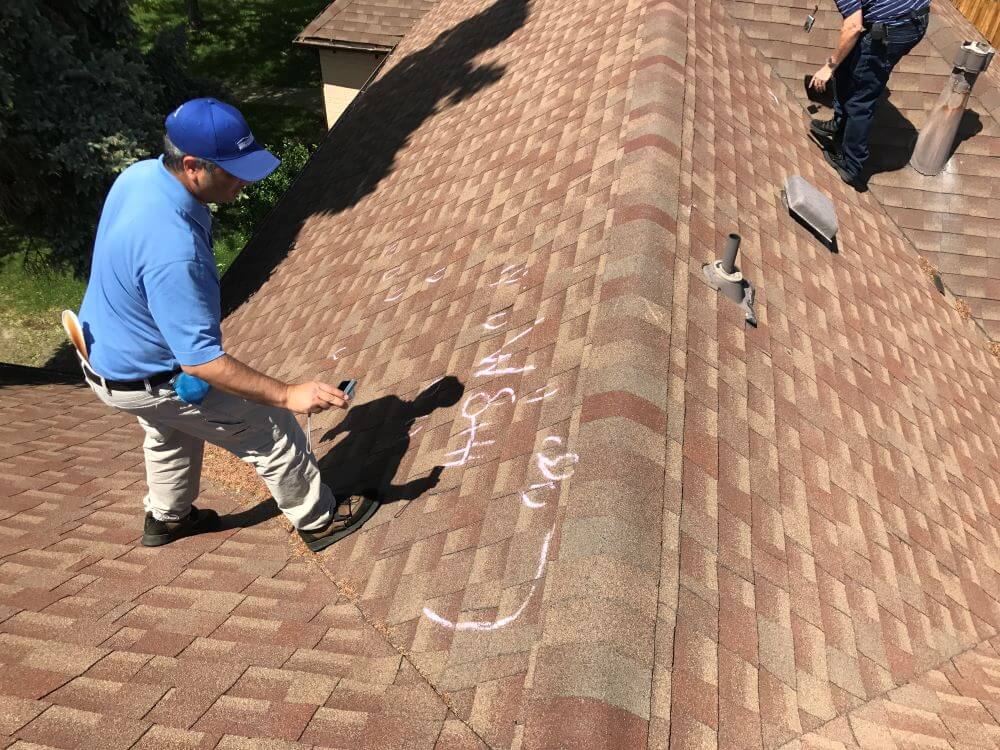
A better approach is getting a professional roof inspection before you even file the claim. A qualified contractor can document the damage independently, identify items the adjuster might overlook, and then be present during the adjuster’s visit to make sure the scope is complete.
This matters especially in Boulder, where roofing conditions create complications that adjusters from other parts of the state may not anticipate. Boulder sits at roughly 5,430 feet with direct exposure to storms that build against the foothills. The orographic lift along the Front Range concentrates hail cells in a narrow corridor, and the higher UV exposure at elevation accelerates shingle aging between storms. An adjuster who doesn’t account for these factors might underwrite the scope.
Items commonly missed on the first adjuster scope include:
- Ridge cap shingles, which take the most direct impact but are sometimes lumped in rather than individually counted
- Pipe jack boots and other roof penetration seals that crack under hail impact
- Code-upgrade items like drip edge, ice-and-water shield in valleys, or upgraded ventilation required under current building code but not present on the original roof
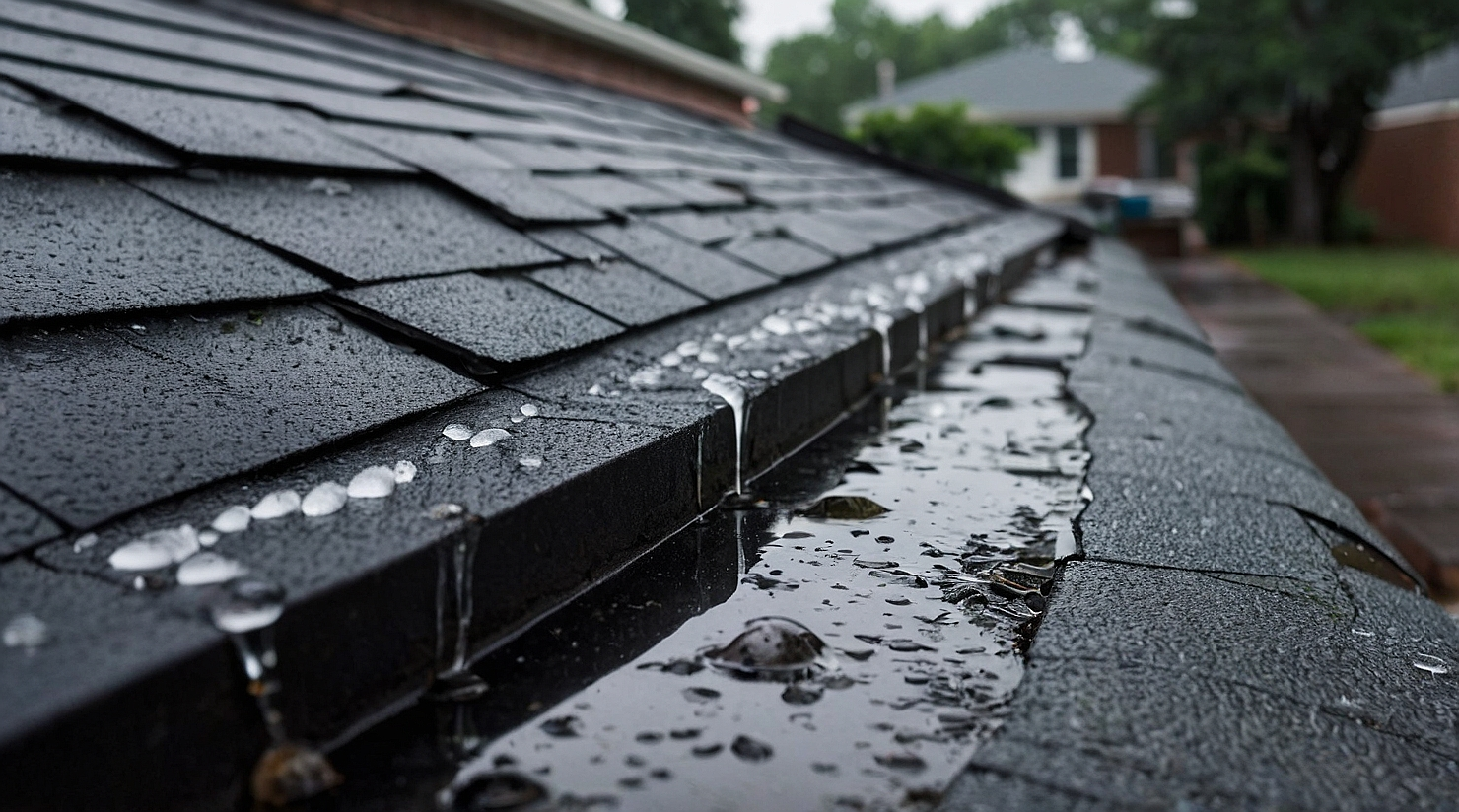
- Gutter and downspout damage that gets overlooked when the focus stays on shingles
When these items are missed, the insurance payout comes in low. A contractor who knows the process will file a supplement with supporting photos and measurements. That supplement is a formal request for the insurance company to add the missing line items. It’s standard practice, not adversarial.
The Filing Deadline That Quietly Kills Claims
Colorado generally allows up to two years from the date of the storm to file a hail damage claim. That sounds like plenty of time, and for most homeowners it is. But there’s a catch that trips people up in Boulder more often than you’d expect.
Your policy may require “prompt notification.” The two-year statutory window is a backstop, not a guarantee. Some carriers interpret prompt notification as 30 to 90 days. If you wait a full year to file, the insurer may argue the damage worsened due to neglect, which can reduce or void the payout. They might also question whether the damage came from the storm you’re referencing or a subsequent one.
The safest approach is to have your roof inspected within a week or two of any significant hailstorm and file the claim promptly if damage is confirmed. Even if you’re not ready to start repairs immediately, getting the claim on record preserves your options.
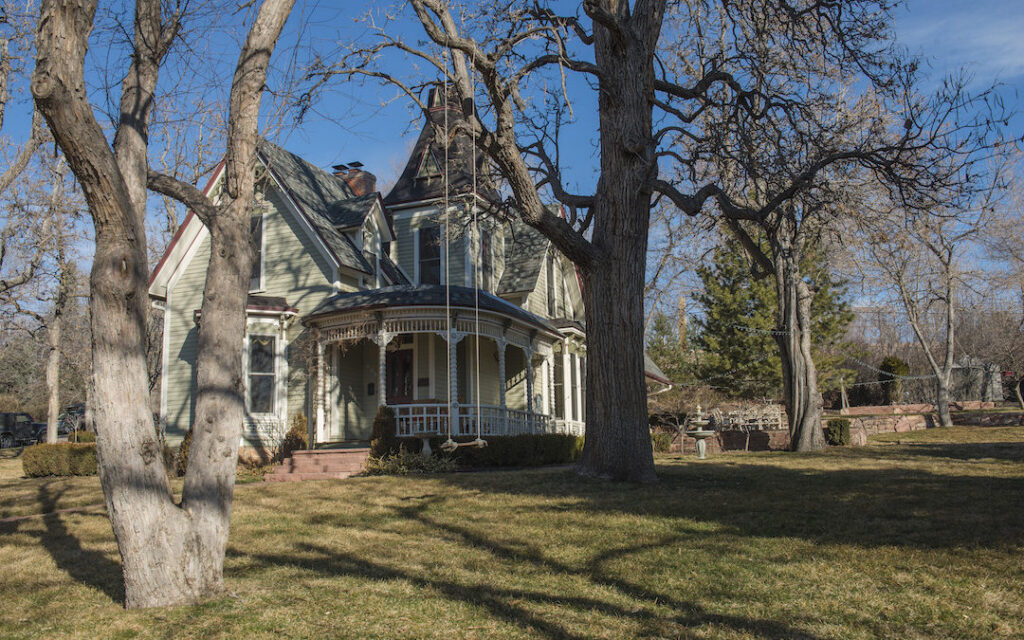
Boulder’s older neighborhoods present an additional wrinkle. Homes built in the 1920s through 1960s, common in areas like Mapleton Hill and University Hill, sometimes have original roofing details that complicate replacement. Unusual flashing configurations, non-standard venting, or architectural features that require custom work can all add cost that needs to be documented early. Discovering these issues after the adjuster has already closed the initial scope creates delays and disputes.
Choosing the Right Contractor Changes Everything
The contractor you choose for insurance claim roof repair isn’t just doing the physical work. They’re your advocate throughout the claims process. A strong contractor handles the documentation, communicates with the adjuster, files supplements, and makes sure the final scope covers everything needed to restore the roof to code.
A weak contractor, or worse, a storm chaser passing through Boulder County, does none of that. They collect the insurance check, throw shingles on the roof, and leave you holding the bag if anything was missed.
Look for a contractor who can demonstrate specific experience with insurance restoration work. They should be able to explain the difference between ACV and RCV without hesitation. They should write estimates in Xactimate, the same platform adjusters use. And they should have a track record of completing roof replacements in your area, not just in Colorado generally, but along the Front Range where the conditions are specific and the building codes reflect those conditions.
You can also ask about their process for handling supplements, managing material orders during peak season, and coordinating the final inspection with your municipality. The answers will tell you quickly whether you’re dealing with a company that understands insurance work or one that’s improvising.
Protect Your Claim and Your Roof at the Same Time
An insurance claim roof repair in Boulder shouldn’t feel like a battle. With the right contractor involved from the start, the right documentation in place, and a clear understanding of your policy terms, the process can move smoothly from inspection to completed installation.
The mistakes that cost homeowners money are almost always preventable. Know your deductible before the storm. Get your contractor on the roof before the adjuster. File promptly. And don’t leave recoverable depreciation uncollected.
The team at Faithful Roofing and Contracting is ready to help. Contact us today to schedule a free storm damage inspection and get a clear picture of your roof’s condition before you pick up the phone with your insurance company.