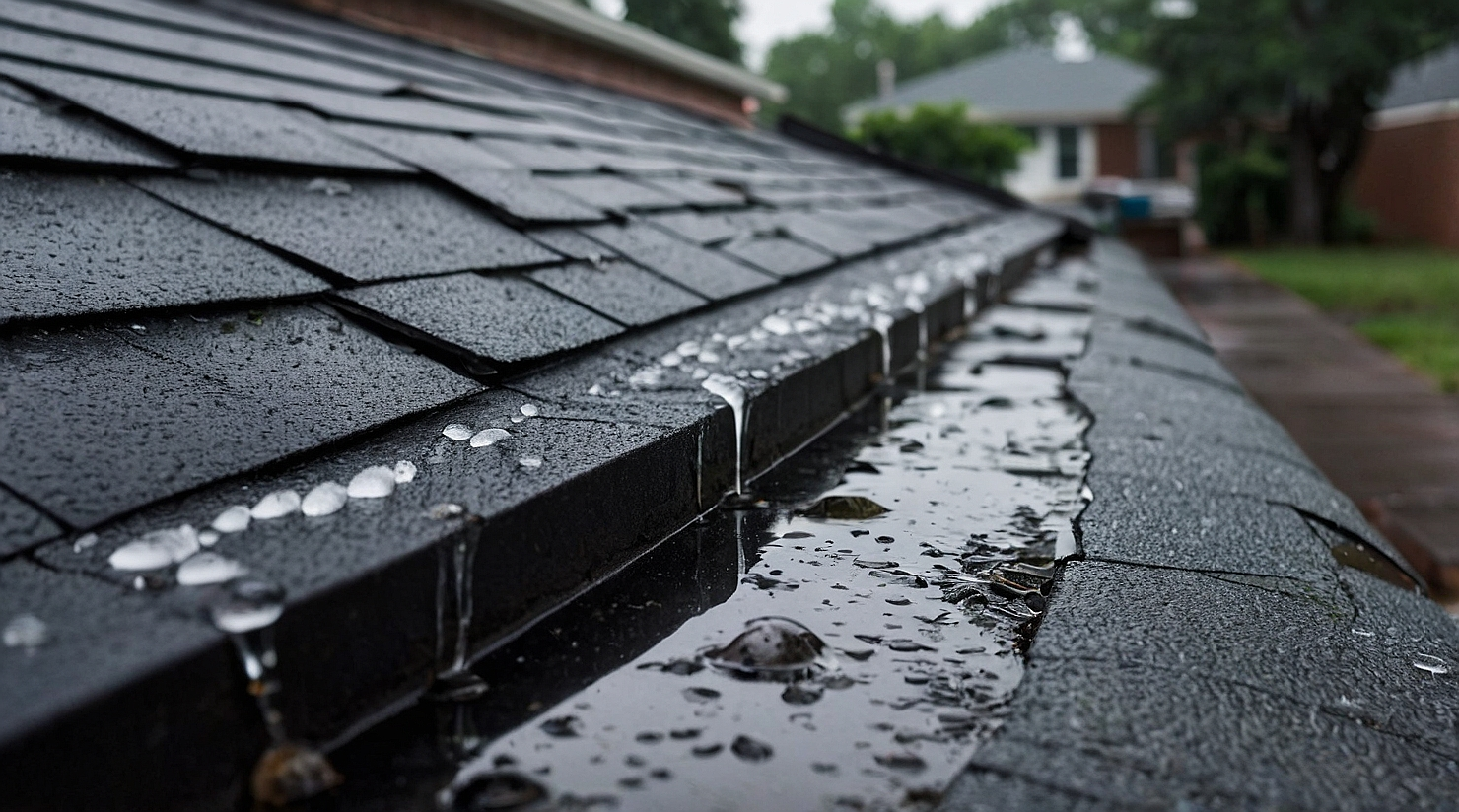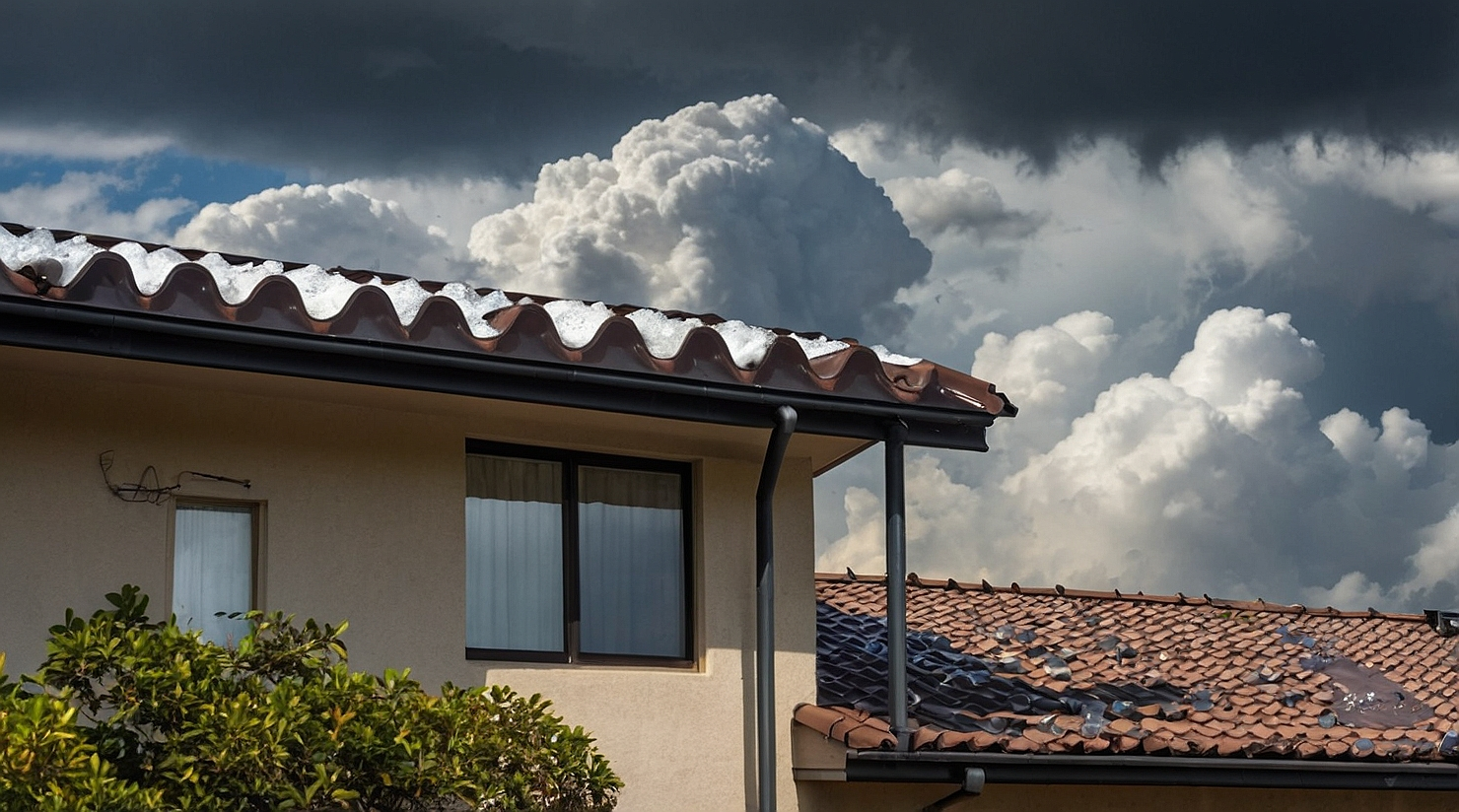

The homeowner’s first email said her neighbor had gotten a full roof replacement after the June hailstorm, and she was starting to wonder if she should have looked into her own roof more carefully. Her house sat about a mile off Overland Trail in Laporte, an older two-story with a moderate-pitch roof that hadn’t been touched since the previous owner’s replacement roughly a decade earlier. She hadn’t seen any leaks. Nothing looked wrong from the driveway. But her neighbor’s roof hadn’t looked bad either, and she’d learned that the visible ground-level assessment wasn’t the same as what a professional could see. The roof inspection project we scheduled at her property turned into one of the more instructive examples of what Northern Colorado homeowners genuinely benefit from knowing about their roofs.
What the Ground-Level Walk Around the Property Already Suggested
Before climbing anything, our inspector spent about 15 minutes walking the perimeter of the property and taking notes. That ground-level assessment produced several observations worth documenting.
The gutters had visible granule accumulation, particularly at the downspout terminations and at the splash zones below where water exited the system. That’s often the first indicator of hail damage or aged shingles losing their protective granule layer.
The metal roof accessories, including the pipe boot collars and the chimney flashing, showed visible impact marks and small dents consistent with recent hail activity. The size and pattern of the dents suggested hail in the 1-inch to 1.25-inch range, which matched what had been reported for the June storm system that passed through Larimer County.
The exterior fascia had staining in specific areas suggesting water had been overflowing the gutters during heavy rain events, likely because debris accumulation was restricting flow. That kind of overflow can eventually produce siding damage and even foundation drainage issues if it continues untreated.
The homeowner had walked past all of these signals for weeks without recognizing them as connected to her roof condition. That’s typical. Ground-level observation reveals real information, but only when someone knows what specific patterns to look for.
What Actually Showed Up Once We Got on the Roof
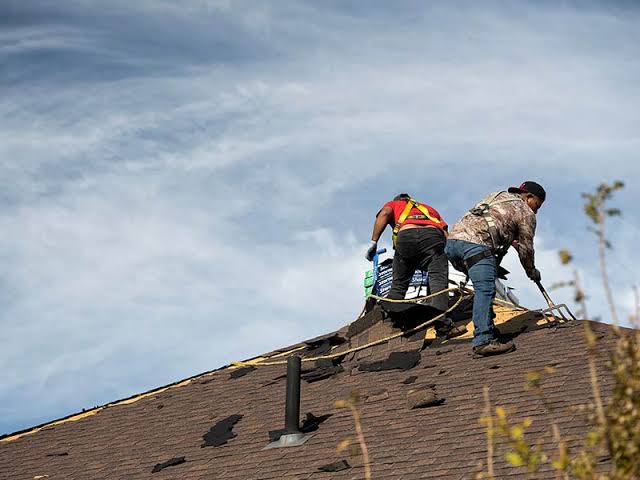
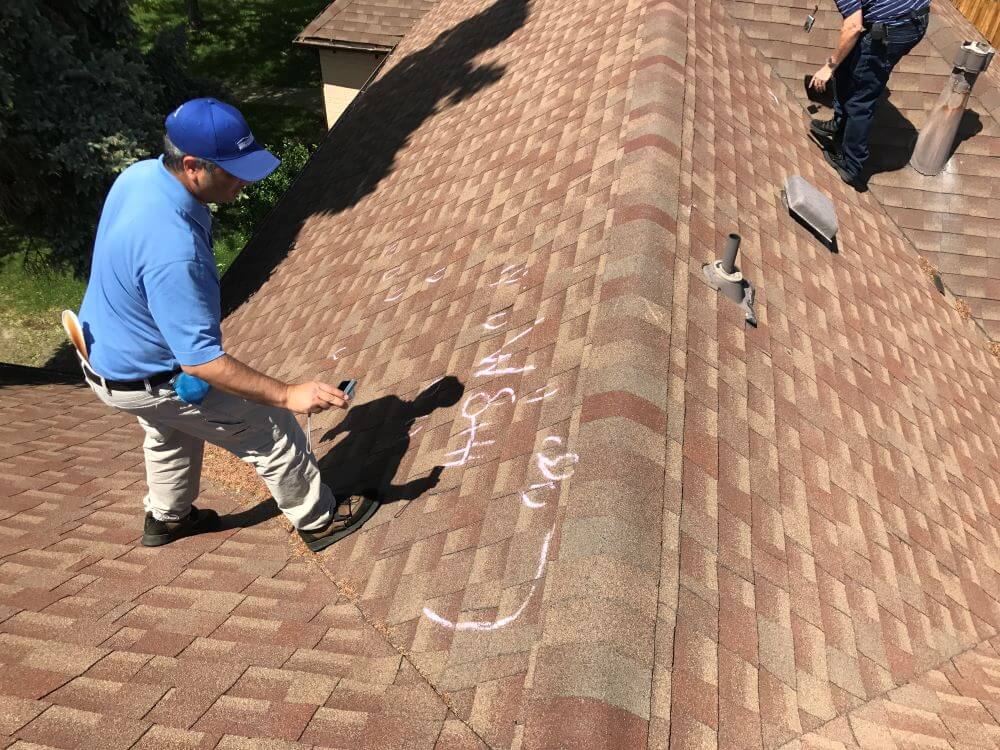
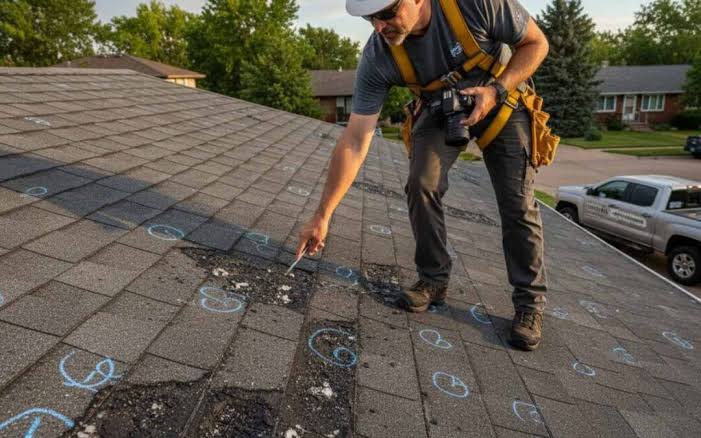
The rooftop inspection took about 45 minutes and covered every accessible section of the roof surface, all penetrations, all flashing details, and the ridge and valley areas. The findings were significant enough to justify the whole project.
The specific issues documented:
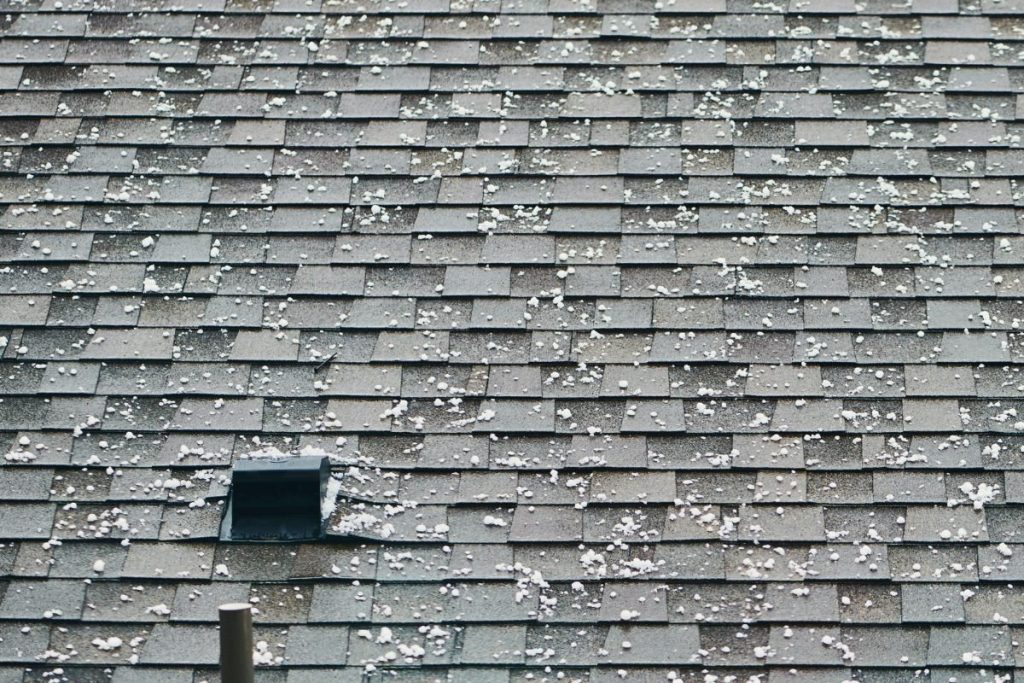
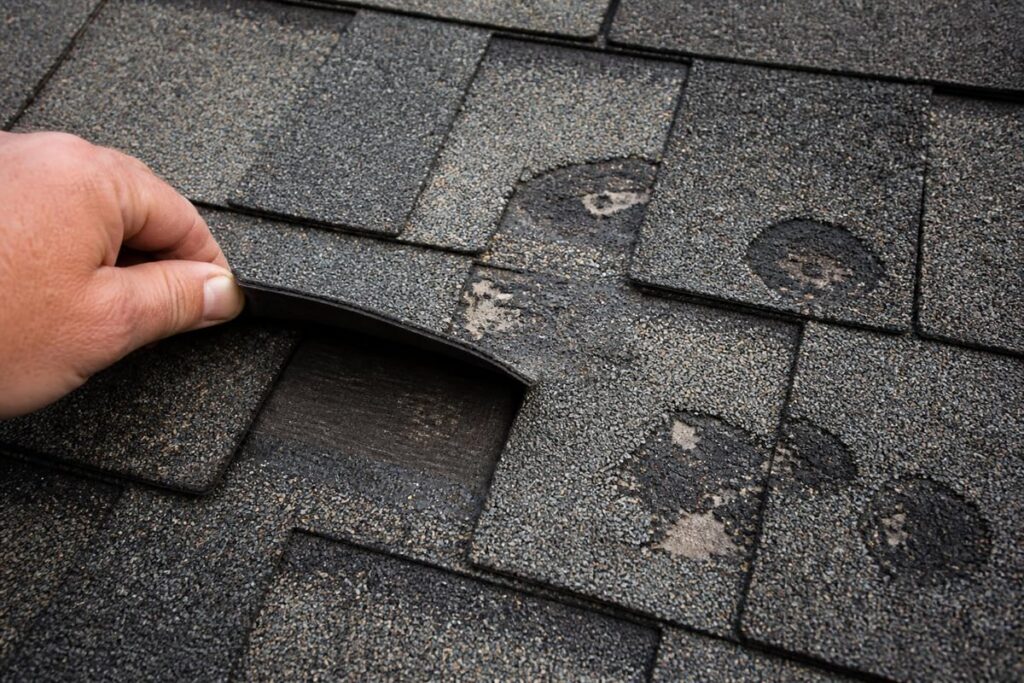
- Hail impact damage on multiple slopes of the roof, with the fractured granule pattern that indicates active shingle degradation from the impact. The damage was most concentrated on the west and south-facing slopes, consistent with the storm direction.
- Cracked pipe boot on the main plumbing vent, showing the specific pattern where UV and thermal cycling had produced separation between the collar and the pipe. That was a leak waiting to happen, probably within one to two more freeze-thaw seasons.
- Displaced ridge cap on approximately 15 feet of the main ridge, likely from a wind event that produced visible lifting even though nothing had fallen off yet.
- Compromised sealant at multiple exposed fastener locations, particularly at the flashing details where sealant failure allows small amounts of water penetration during driving rain events.
- Ventilation issues visible from the attic access we checked afterward, with insufficient soffit intake and evidence of heat accumulation that was accelerating the shingle aging on the roof deck above.
- Gutter debris accumulation confirmed at multiple locations, consistent with what the ground-level observation had suggested about overflow patterns.
- Aging shingles across the entire roof surface, with the specific brittle texture and reduced flexibility that indicates approaching end of life even without hail damage.
None of this had produced visible interior water damage yet. But every one of these issues was going to produce that damage within a foreseeable timeframe, and several of them were qualifying for insurance coverage under her homeowner policy given the recent storm event.
The Attic Portion of the Inspection That Mattered
After the rooftop assessment, we accessed the attic through her hallway ceiling hatch. That portion of the inspection typically takes another 20 to 30 minutes and produces information the rooftop assessment can’t capture.
What we documented in the attic:
- Insulation compression in several areas, particularly at soffits where the insulation had been pushed against the roof deck, cutting off the intake ventilation the roof needed
- Water staining on the underside of the roof deck in two locations, both near penetrations, indicating water had been getting in during specific weather conditions even without producing visible ceiling damage
- Elevated attic temperature reading of 128 degrees during the inspection on a 92-degree day, which confirmed the ventilation deficiency the exterior assessment had suggested
- Efflorescence patterns on nail heads penetrating the roof deck from below, which indicate condensation cycles occurring in the attic through winter
- Some visible daylight through the roof deck at specific locations, most concerning at a spot near the chimney where flashing failure was clearly progressing
The attic findings are what confirmed that the rooftop issues weren’t isolated cosmetic concerns. They were part of a system that was progressing toward the leak conditions the homeowner had been avoiding through luck rather than through the actual health of the roof.
What the Documentation Produced for the Insurance Claim
Beyond identifying the physical condition of the roof, the inspection produced the documentation package that supported her subsequent insurance claim. That package included:
- Photographic evidence of every hail impact location on the roof, with multiple angles and reference measurements
- Documentation of the flashing damage patterns consistent with the storm event
- Ground-level and rooftop photos establishing the connection between the storm and the specific damage documented
- Written assessment describing the damage in terms adjusters recognize and respond to
- Reference to the specific storm event date and the meteorological data confirming hail activity at the property location
- Recommended scope of repair or replacement based on the assessment findings
She filed her insurance claim within a week of the inspection. The adjuster inspected the property about ten days later and largely confirmed our findings. Her claim was approved for full roof replacement, with additional coverage for the affected gutter system and specific flashing details.
Without the professional inspection, she likely would have missed the claim opportunity entirely. Colorado’s homeowner insurance market has become significantly more restrictive on hail claims over recent years, and homeowners who file claims months after storm events without documented professional assessment consistently see reduced coverage or claim denials. The timing of the inspection, within the window that connected the damage to the specific storm event, made a meaningful difference in her outcome.
What the Property Owner Did With the Findings
The inspection findings gave her clear information to make decisions with. She chose full roof replacement rather than repair, based on the combination of storm damage, aging materials, and ventilation issues that would compound over the next few years even if the hail damage was addressed.
The residential roof replacement project completed about six weeks after the inspection, once the insurance settlement was finalized and materials were scheduled. The scope included:
- Complete tear-off of the existing roof to the deck
- Deck inspection and repair of any compromised sections
- New synthetic underlayment appropriate for Northern Colorado conditions
- Upgraded ventilation including additional soffit intake and improved ridge ventilation
- Impact-resistant shingles rated for hail exposure typical in this market
- New pipe boots, flashing, and drip edge throughout
- Coordinated gutter cleaning and evaluation
The final cost to her, after insurance, was significantly lower than what full out-of-pocket replacement would have been. More importantly, the new roof was designed for the specific conditions Laporte and Northern Colorado present, with materials and installation practices matched to what would produce genuinely durable performance rather than minimum compliance.
What the Laporte Project Illustrates About Roof Inspections Generally
The specific findings at this property aren’t unusual. They reflect the pattern that shows up on most Northern Colorado residential roofs approaching or beyond the 10-year mark: some combination of hail damage, aging materials, ventilation deficiencies, and small failures that hadn’t yet produced visible interior symptoms but were reliably progressing toward that outcome.
What the roof inspection accomplished for this homeowner is what it accomplishes for most homeowners in this region: it converted an ambiguous “should I be worried about my roof” question into a specific, documented, actionable set of findings. It also captured the storm damage documentation window while insurance claim viability was still possible. And it produced the informed decision that led to the appropriate response, which in her case was replacement rather than continued incremental repair.
For Laporte homeowners considering whether a roof inspection is worth scheduling, this project illustrates the answer clearly. The information asymmetry between what a homeowner can observe from the ground and what a professional assessment can document is significant. And the specific conditions Northern Colorado creates for residential roofs make that asymmetry particularly consequential.
The Value the Laporte Project Ultimately Produced
The homeowner off Overland Trail spent about $250 on the professional roof inspection that documented her property’s actual condition. That inspection led to an insurance claim that covered the majority of a full roof replacement, upgraded her property’s roofing system to specifications appropriate for Northern Colorado conditions, and eliminated the compounding risk that the aging system had been building toward for years. The math on that inspection, and on similar roof inspection projects across the Laporte and Northern Colorado area, consistently works out favorably for the homeowners who prioritize documented assessment over hopeful assumption about the condition of their roofs.
Get a Professional Roof Inspection Project Started at Your Laporte Property
The team at Faithful Roofing and Contracting is ready to help. Contact us today to schedule a professional roof inspection project at your Laporte, CO property and get the documented assessment that supports informed decisions and, where applicable, viable insurance claims.