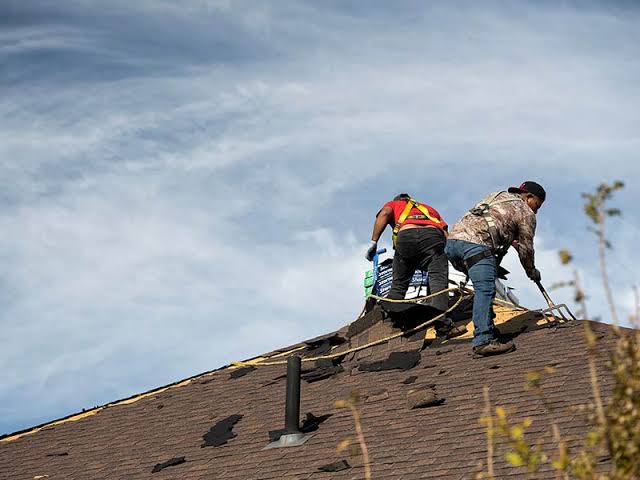

The most common phone call our office gets in September isn’t from someone whose roof just started leaking during a storm. It’s from someone who noticed a small ceiling stain months ago, ignored it, watched it grow, and finally called after their bedroom ceiling started showing visible sag. That pattern shows up so consistently that we’ve built a mental FAQ from the questions homeowners ask us during that call. Roof leak repair generates more homeowner questions than almost any other part of the trade, and the answers matter more than the questions might suggest. Here are the ones that come up most often in Northern Colorado, with honest answers based on what actually happens on residential roofs in this market.
What Are the Most Common Causes of Roof Leaks in Northern Colorado Homes?
Roof leaks in Northern Colorado follow specific patterns that reflect what this climate does to residential roofing systems. The causes we see most consistently:
- Damaged flashing at chimneys, skylights, roof-to-wall transitions, and any penetration through the roof deck. Flashing degrades faster in Colorado’s climate than in milder regions because of the intense UV exposure and thermal cycling.
- Compromised pipe boots where the rubber or synthetic collar around plumbing vent stacks has cracked, torn, or pulled away from the pipe. This is one of the most common leak sources on residential roofs in the Greeley area.
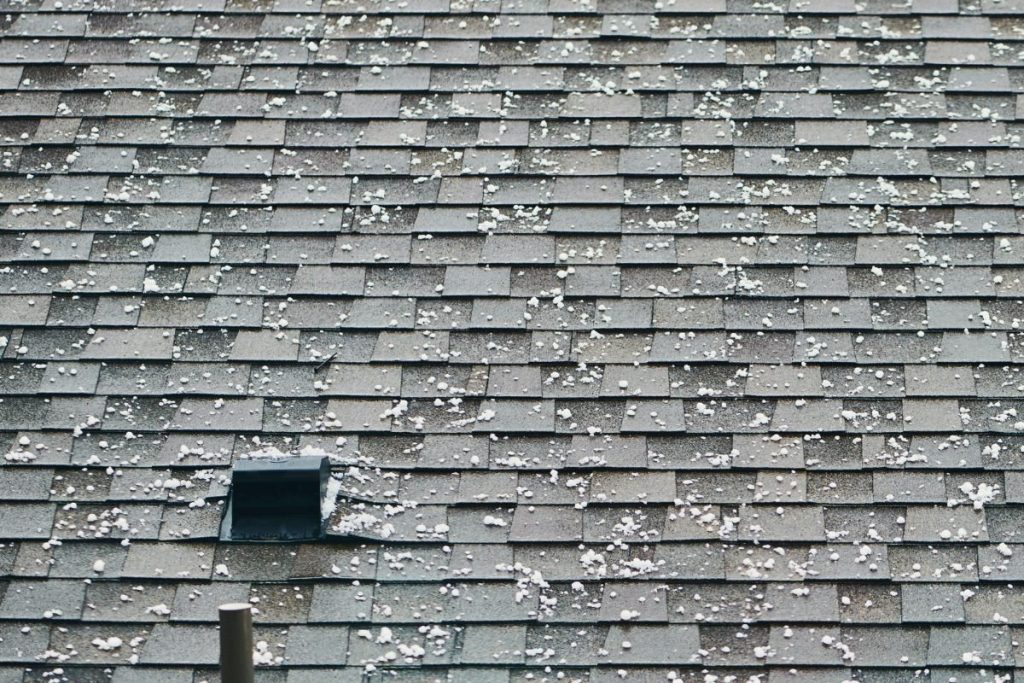
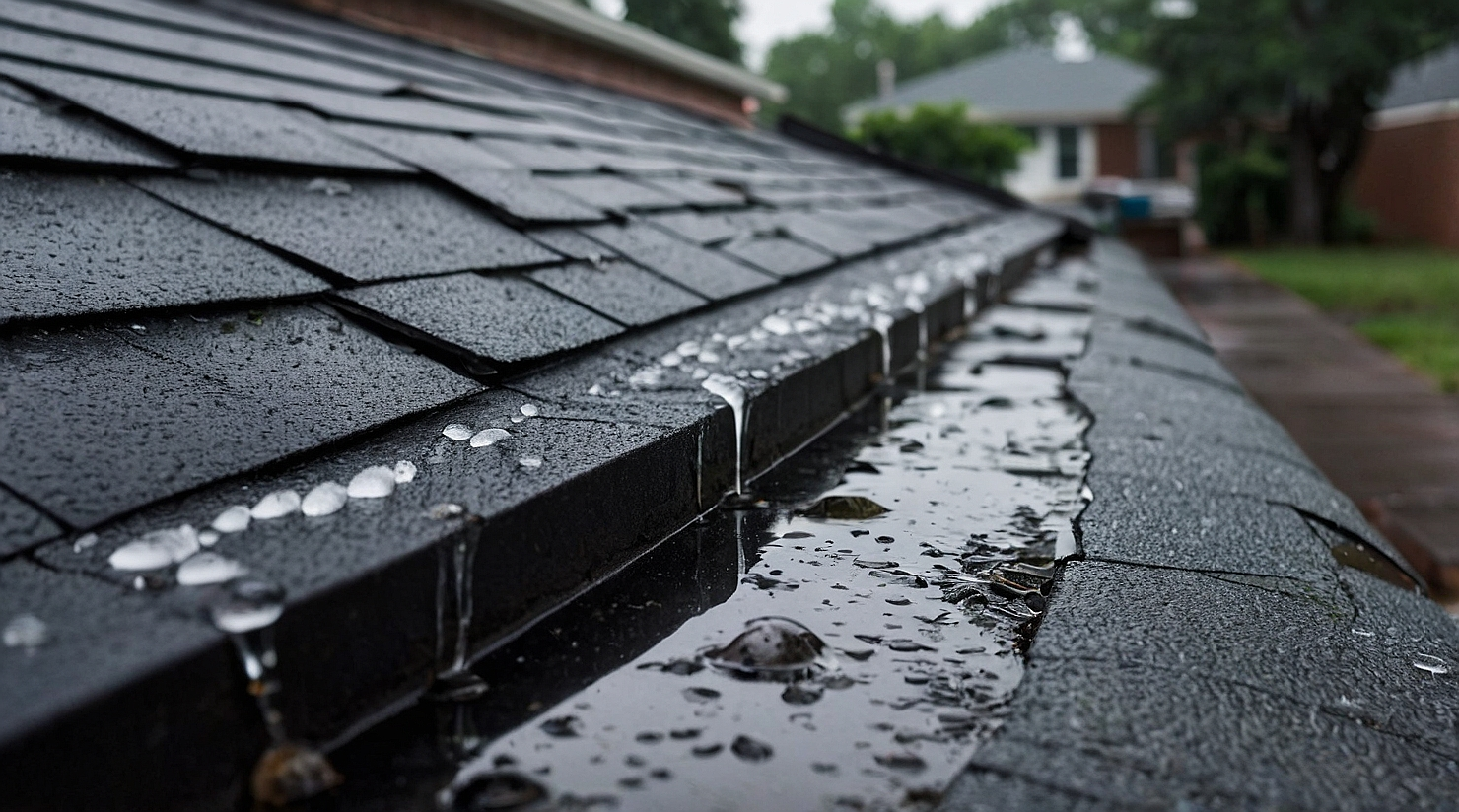
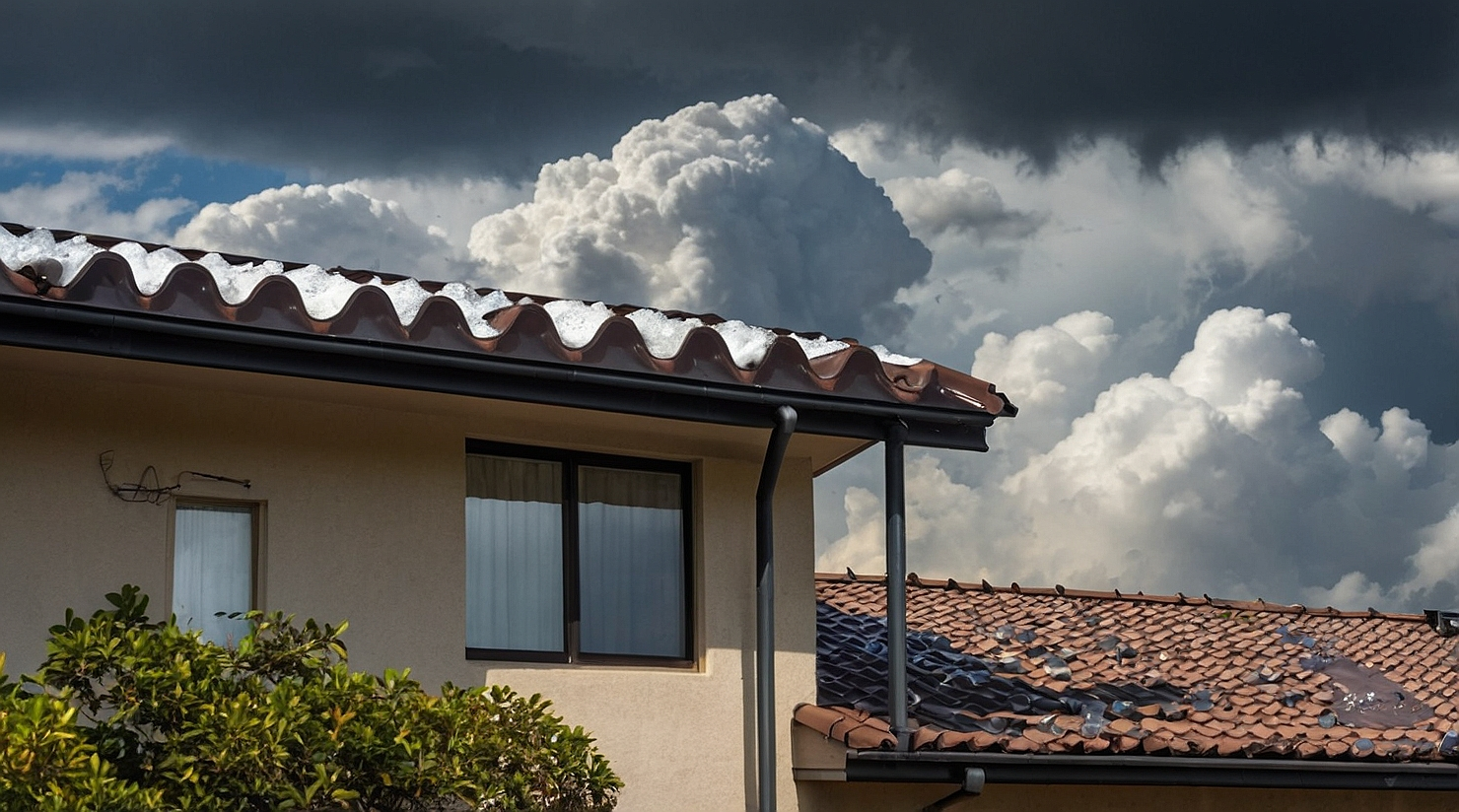
- Hail damage that fractured shingles enough to allow water penetration during subsequent rain events, sometimes weeks or months after the storm that caused the original damage.
- Wind-lifted or missing shingles that expose the underlying underlayment to weather. A single storm event can produce this damage in ways homeowners don’t notice from the ground.
- Ice dam damage from previous winters where water backed up under shingles and compromised the underlying materials.
- Ventilation-related deterioration in the roof deck itself, where inadequate attic ventilation has produced moisture damage that eventually manifests as leaks.
- Failed sealant at exposed fasteners, ridge caps, and drip edges where UV and thermal cycling have broken down the sealant.
Understanding which cause is producing your specific leak is what determines the appropriate repair. A qualified residential roof inspection identifies the actual source rather than treating symptoms.
How Can I Tell If My Roof Is Leaking If I Don’t See Water Inside?
Roof leaks don’t always produce obvious interior symptoms right away. The water can travel considerable distances through the roof deck, along framing members, and through insulation before appearing as a visible ceiling stain. Sometimes it never produces visible interior water at all until the damage is significant.
The subtle indicators that suggest a leak may be developing:
- Musty or earthy smells in attic spaces or in rooms below the roof, particularly in enclosed closets or storage areas
- Discolored spots on ceilings that appear, disappear, and reappear, which indicate water intrusion during specific weather conditions
- Peeling paint or bubbling drywall in areas below the roof, even when the moisture isn’t currently visible
- Sagging areas in ceilings, however slight, which can indicate long-term moisture damage to structural materials
- Increased heating and cooling costs which sometimes reflect moisture-degraded insulation losing R-value
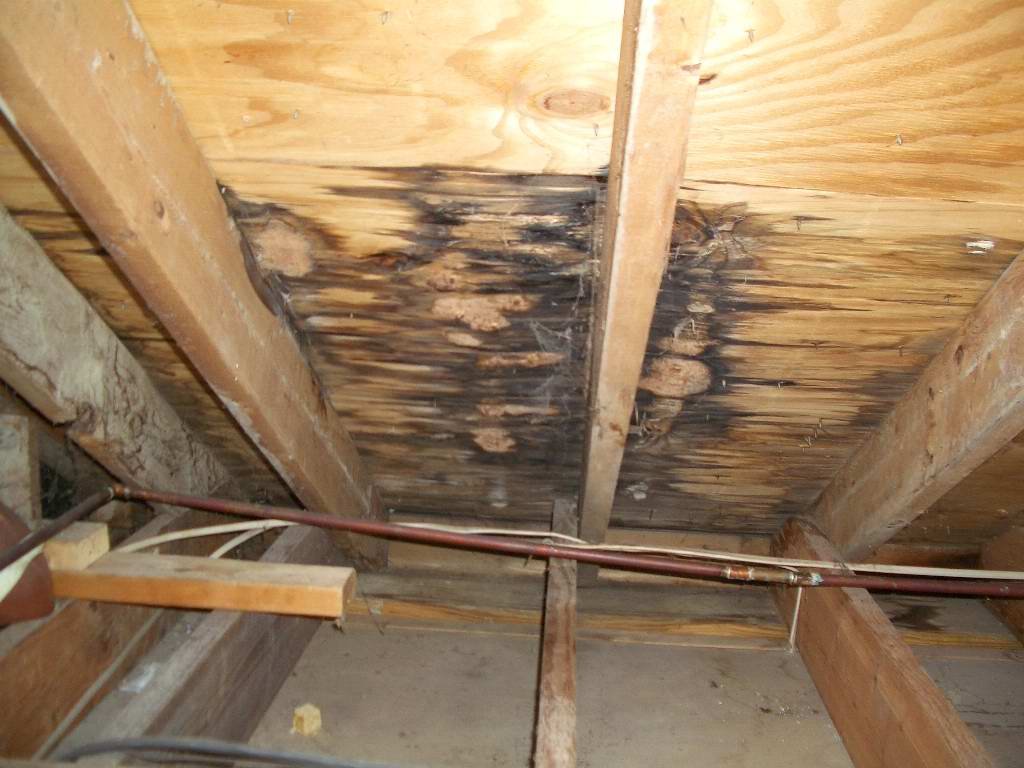
- Water stains or discoloration on attic surfaces including rafters, decking, and insulation
- Visible daylight through the roof deck when viewed from the attic during daytime
If you notice any of these signs, a professional roof inspection can identify the source before the damage extends further. Waiting until visible water appears in your living space typically means the damage has already progressed significantly beyond the original leak point.
Should I Try to Fix a Roof Leak Myself or Call a Professional?
The honest answer depends on the specific situation, but for most Northern Colorado homeowners, professional response produces significantly better outcomes than DIY attempts.
Situations where DIY may be appropriate:
- Very simple temporary emergency measures like buckets to catch dripping water inside
- Applying an emergency tarp to an accessible, low-slope roof section during active weather, when professional response is delayed
- Clearing debris from valleys or gutters that may be contributing to backup and pooling
Situations where professional response is genuinely necessary:
- Any leak that isn’t clearly identifiable in terms of source and cause
- Any roof access on steep-pitched residential roofs, which are dangerous without proper equipment and training
- Any repair involving flashing, penetrations, or structural components
- Any situation where the underlying cause could be hail or storm damage that may qualify for insurance coverage
- Any leak on a roof more than 10 years old, where the leak may be a symptom of broader system decline
- Any situation involving mold conditions, structural damage, or extensive interior water damage
DIY roof repair attempts frequently produce three problems: they don’t actually fix the underlying leak, they void manufacturer warranties on the roofing materials, and they compromise insurance claim documentation if the leak turns out to be storm-related. The cost of professional repair is typically modest compared to the cost of DIY complications that surface later.
How Much Does Roof Leak Repair Actually Cost in the Greeley Area?
Roof leak repair costs in the Greeley and broader Northern Colorado market vary based on the specific cause, accessibility, and scope of the repair. Typical ranges:
- Pipe boot replacement: $250 to $500 for a straightforward replacement
- Individual shingle repair or replacement: $200 to $450 for isolated damaged shingles
- Flashing repair or replacement: $300 to $900 depending on the location and complexity
- Chimney flashing rebuild: $500 to $1,500 for complete flashing replacement around a chimney
- Ridge cap repair: $300 to $700 for damaged ridge cap sections
- Valley repair: $500 to $1,200 for repairs where different roof planes meet
- Small area section replacement: $600 to $1,800 for isolated sections requiring shingle removal and replacement
These ranges assume the underlying roof deck and structural components are sound. When roof leak repair uncovers damaged decking, deteriorated framing, or moisture damage to insulation and interior materials, the total scope and cost expand accordingly.
For roofs approaching end of life, a leak repair may not be the most economical decision. When repair costs approach 20 to 30 percent of full roof replacement cost, or when multiple leaks are developing across the roof, replacement often makes more financial sense than continued repair work.
Will My Homeowner’s Insurance Cover a Roof Leak Repair?
Coverage depends on the cause of the leak and the specifics of your policy. In general terms:
Typically covered:
- Leaks caused by sudden storm events like hail or wind damage
- Leaks from fallen tree limbs or other impact events
- Damage from fire suppression or other covered events
- Some water damage caused by sudden covered events
Typically not covered:
- Leaks caused by gradual wear or aging of roofing materials
- Damage from lack of maintenance or delayed repair
- Leaks from installation defects or workmanship issues
- Damage occurring after the initial event due to failure to mitigate
Colorado’s insurance market has become significantly more restrictive on roof claims over recent years. Higher deductibles, actual cash value versus replacement cost distinctions, cosmetic damage exclusions, and roof age caps all affect what specific claims actually pay out. Working with a contractor experienced in Northern Colorado insurance claim documentation makes a meaningful difference in outcomes.
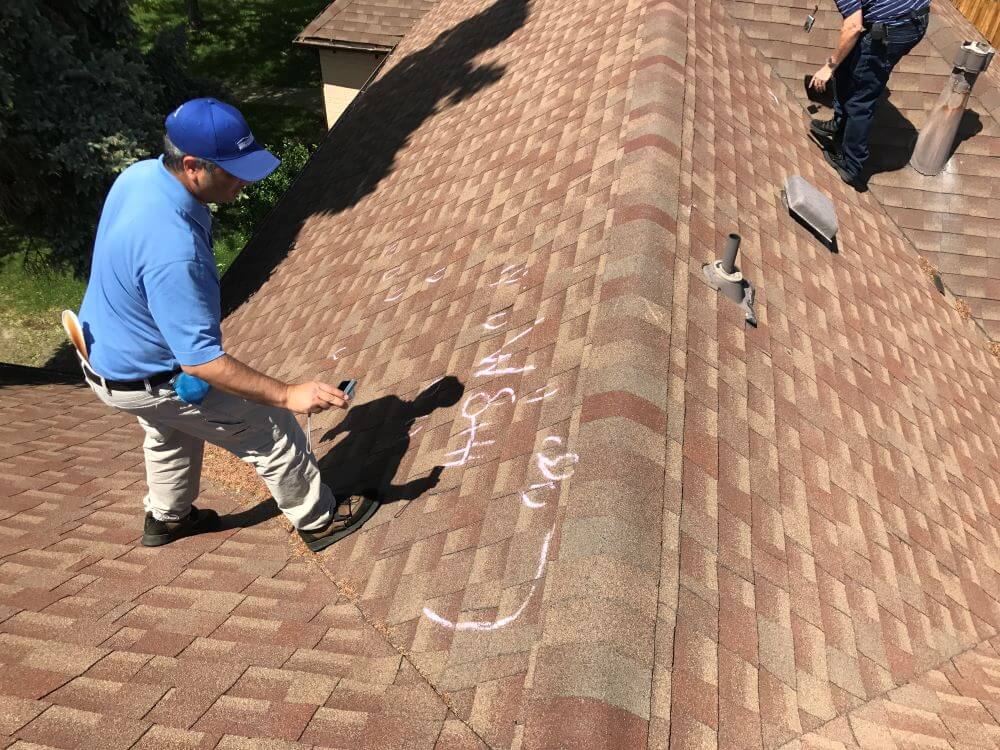
For any leak that may be storm-related, documentation of the storm event, prompt professional inspection, and complete photographic records of the damage significantly strengthen the claim. Waiting weeks or months to file typically weakens the connection between the storm and the leak in the carrier’s evaluation.
What Can I Do to Protect My Home While I’m Waiting for the Repair Crew?
Reasonable interim protection makes a meaningful difference in limiting damage while professional response is arranged. Steps that most homeowners can do safely:
- Catch and redirect dripping water using buckets, tarps, or plastic sheeting under any active drips
- Move furniture and belongings away from affected areas to prevent secondary damage
- Document everything with photographs including the leak location, any interior damage, water paths, and affected materials. This documentation supports insurance claims and helps the repair crew assess the scope.
- Punch a small hole in bulging ceiling drywall if it’s visibly holding water. This sounds counterintuitive but prevents the ceiling from collapsing and produces controlled drainage into a container below.
- Open windows or run fans in affected rooms to promote air circulation and reduce moisture buildup
- Turn off electrical circuits to any affected areas where water may contact electrical components
- Contact your insurance carrier to open a claim file even before repair work begins
What to avoid:
- Do not climb on the roof yourself to attempt repairs during active weather
- Do not use standard household cleaners on water-damaged materials, which can affect insurance documentation
- Do not begin removing damaged materials before the professional assessment
- Do not agree to sign anything with door-to-door contractors offering emergency response after storms
How Can I Prevent Future Roof Leaks After This One Is Repaired?
Prevention comes down to a few specific practices that consistently produce better long-term outcomes:
- Schedule annual professional roof inspections, ideally after each significant storm season and before winter. Inspections catch developing issues before they become active leaks.
- Address small repairs promptly rather than waiting for them to become larger problems. Deferred small repairs consistently become expensive large repairs.
- Maintain gutters and downspouts so that water drains away from the roof and foundation as designed
- Trim tree branches that overhang the roof and produce abrasion, debris accumulation, or impact damage
- Address ventilation issues that accelerate roof aging from inside the attic
- Document your roof’s condition with periodic photographs that establish baseline conditions for future insurance claims
- Build a relationship with a qualified local contractor before you need emergency response, so priority service is available when you do
For Northern Colorado homes, particularly in Greeley and the surrounding communities in the hail belt, proactive maintenance meaningfully extends roof service life and reduces the total cost of ownership across the years. The homeowners who consistently avoid major roof leak situations are almost always the ones who invested in ongoing maintenance rather than treating the roof as something to think about only when it’s actively failing.
The Questions Behind the Questions
Roof leak repair questions are usually about more than just the immediate leak. Behind the surface question is often a bigger question about the roof’s overall condition, the insurance environment, the contractor market, and what to prioritize with a limited maintenance budget. Homeowners who ask the questions above and get honest answers make better decisions than those who default to reactive response after each new leak surfaces. The information is available, and using it produces meaningfully better outcomes than working through each leak situation as an isolated event.
Get a Professional Assessment for Your Roof Leak Situation
The team at Faithful Roofing and Contracting is ready to help. Contact us today to schedule a professional roof leak repair assessment at your Greeley, CO area property and get straightforward answers to the questions your specific situation raises.