
The insurance adjuster who covered Windsor after the June 2024 hailstorm told a friend of mine that he’d never seen a single event that touched so many roofs at once. Something like 80 percent of the homes in his inspection queue that summer had qualifying damage. That’s the reality of owning a roof in this part of Northern Colorado. It’s not a matter of whether your roof is going to face something serious. It’s a matter of what specifically to watch for, in what order, and how urgently. The roofing concerns Windsor homeowners actually need to prioritize are more specific than the generic advice most homeowners get, and they follow directly from what this climate does.
Hail Damage That Doesn’t Look Like Hail Damage
The single biggest roofing concern for Windsor homeowners isn’t the hail damage that looks obvious after a storm. It’s the hail damage that doesn’t look obvious.
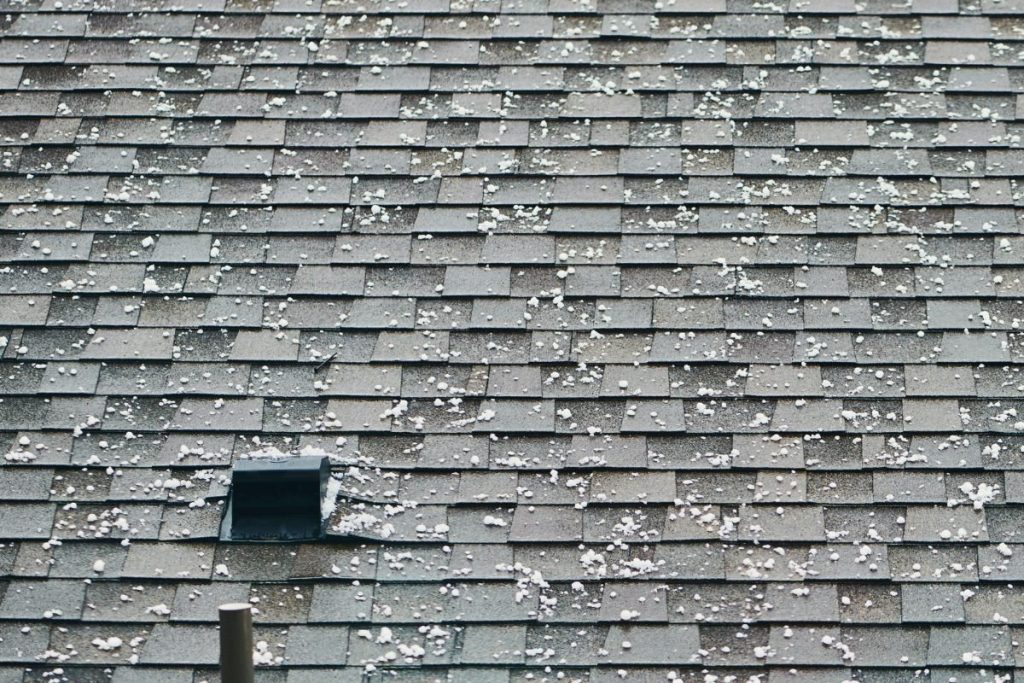
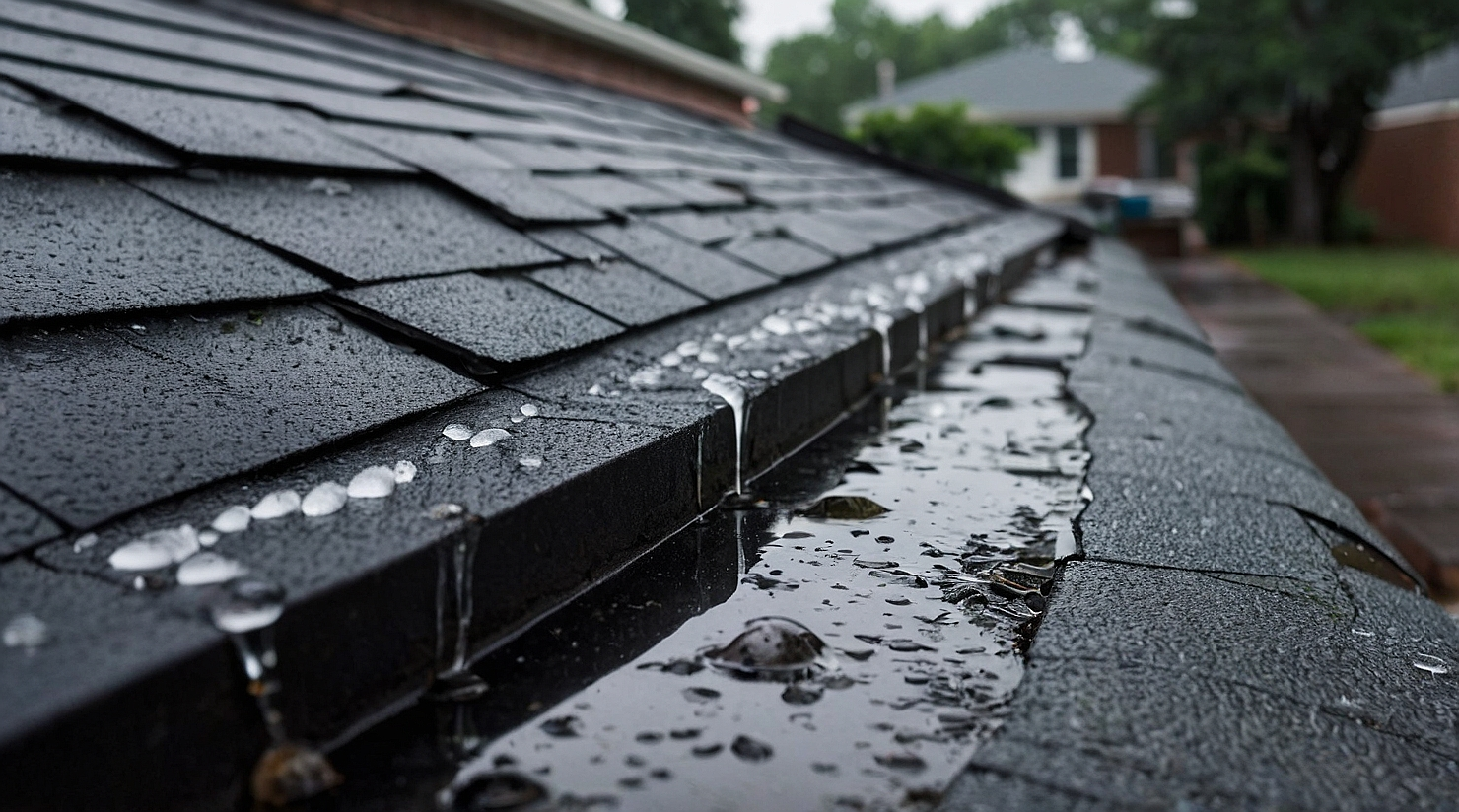
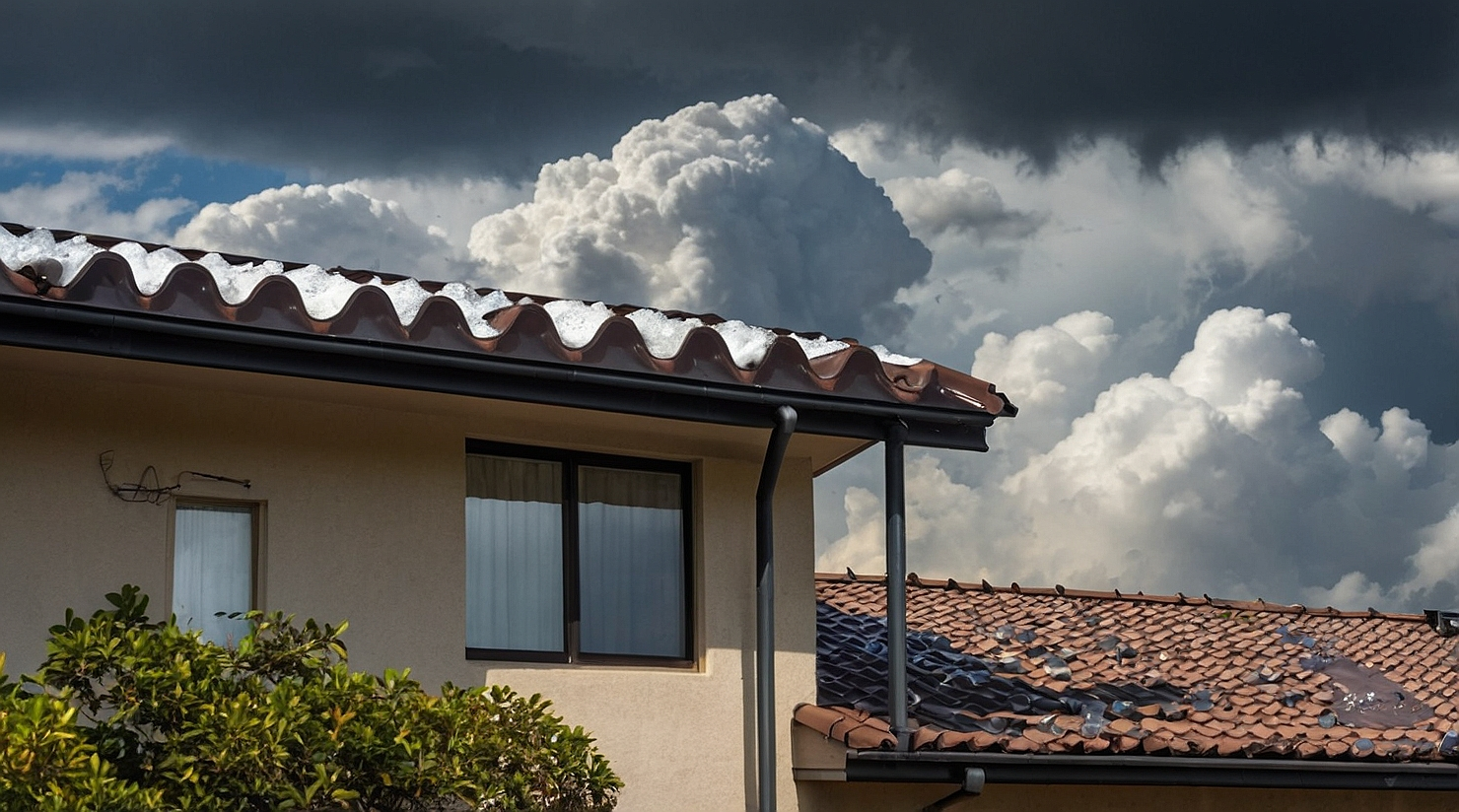
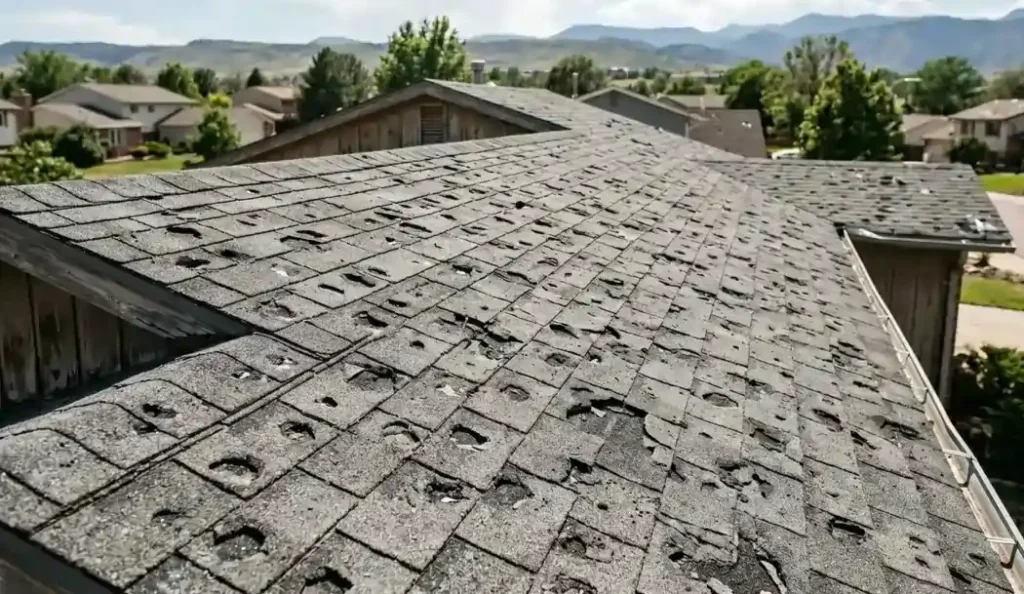
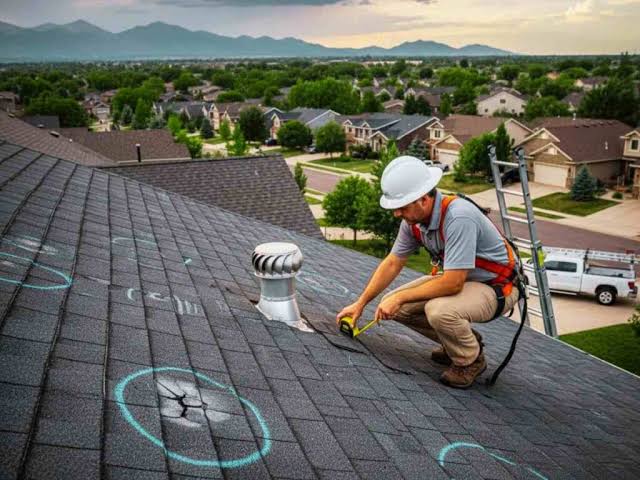
A hailstorm that produces visible impact marks on cars, gutters, and outdoor furniture is producing similar or worse damage to your roof. But asphalt shingles don’t display the damage in ways homeowners recognize from ground level. What actually happens is more subtle: the impact fractures the granule layer that protects the underlying asphalt from UV exposure. Those granules loosen. They start washing off during rain events. And once the asphalt is exposed to direct sun, the shingle’s remaining service life compresses from decades to years.
The specific hail damage indicators that matter:
- Granule accumulation in gutters, downspout terminations, and splash zones below downspouts, which is often the first visible signal
- Round bruised areas on shingles visible from close inspection, sometimes with the granule layer clearly disturbed
- Dented flashing at chimneys, skylights, plumbing vents, and roof-to-wall transitions, which is more visible than shingle damage
- Splatter marks on metal roof accessories, which help confirm both direction and severity of the impact
- Punctures or exposed underlayment in severe cases, though most Windsor hail events produce more subtle damage
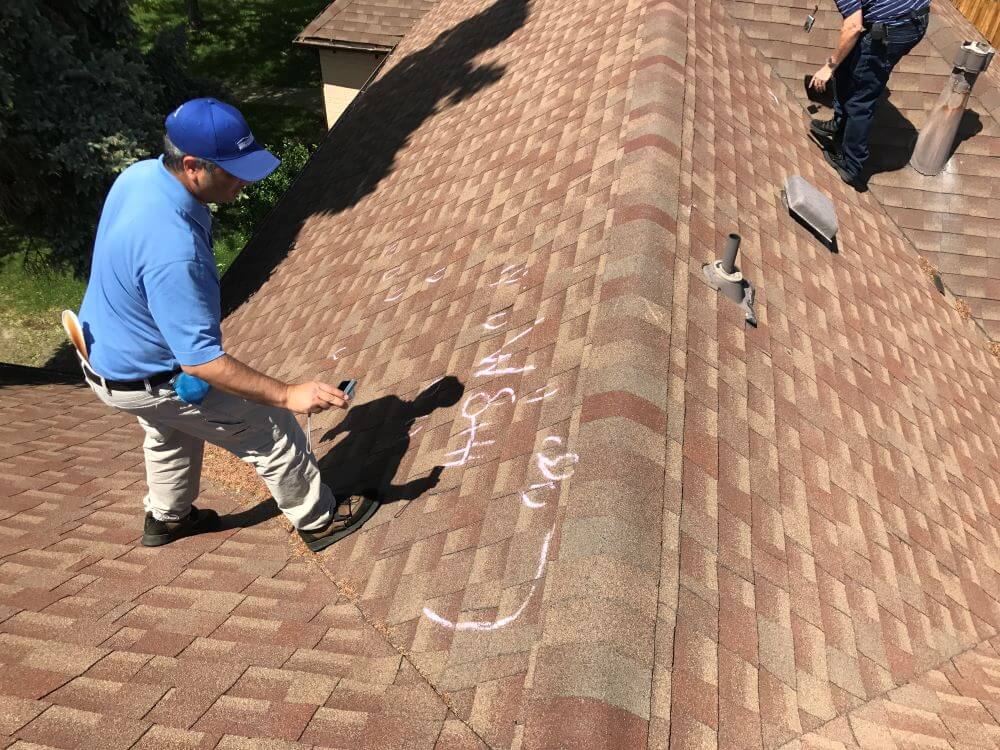
After any significant hailstorm in Windsor, a professional residential roof inspection within a few weeks captures the damage while insurance claim documentation is still viable. Waiting months typically means the storm event tie is harder to establish, and the claim opportunity often closes entirely.
What Happens When the Wind Shows Up Right After the Hail
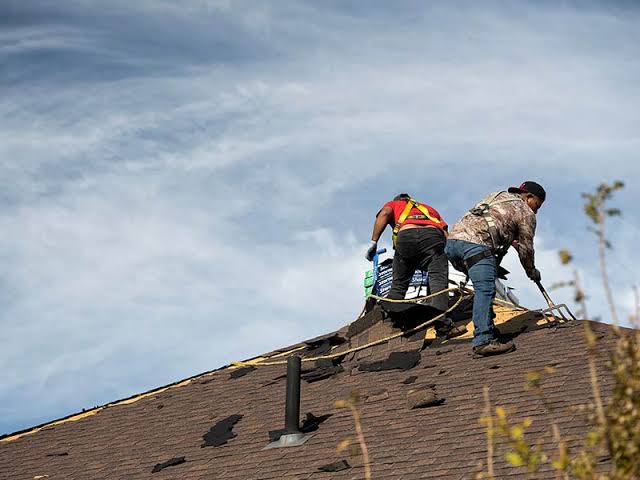
Windsor’s roofing concerns compound when high winds follow hail events, which happens more often than the individual storm reports suggest. A hailstorm loosens shingles at the tabs. The wind that follows lifts them, breaks the sealant strips, and displaces them further.
The wind-related damage patterns specific to Northern Colorado:
- Lifted shingle tabs where the sealant has broken but the shingle hasn’t detached yet, which look normal from the ground but are vulnerable to the next event
- Missing shingles along ridge lines, hip lines, and roof edges where wind stress is highest
- Ridge cap displacement from sustained wind events or sudden gusts
- Displaced or damaged flashing at chimneys, skylights, and roof penetrations
- Damaged gutters pulled away from fascia or dented by wind-driven debris
- Damaged fascia and soffit in areas where wind has repeatedly stressed the roofing edge
Chinook events, which produce warm dry winds that can exceed 60 mph in Northern Colorado, are particularly hard on roofing systems. A single chinook can produce more shingle displacement than a whole season of ordinary weather. Windsor homeowners who haven’t inspected their roofs since the last major wind event are typically underestimating what happened.
The Ventilation Problem Most Windsor Homeowners Don’t Know They Have
The third roofing concern that Windsor homeowners consistently underestimate is attic ventilation. It’s invisible, it doesn’t produce obvious symptoms, and its consequences develop gradually over years rather than showing up dramatically. But inadequate ventilation is one of the primary causes of premature roof failure in Northern Colorado.
The mechanisms:
During summer, poor attic ventilation traps heat that can exceed 150 degrees. That heat cooks the shingles from below, accelerating the aging process that produces granule loss, brittleness, and premature failure. A shingle rated for 25 years may only deliver 12 to 15 years of service on a poorly ventilated Windsor roof.
During winter, poor ventilation combined with warm attic air produces condensation on the underside of the roof decking. That moisture accumulates in insulation, promotes wood deterioration, and produces the exact conditions where ice dams develop during the freeze-thaw cycles that Windsor sees regularly through winter.
The specific ventilation issues to check:
- Blocked soffit vents where insulation has been pushed against the underside of the roof deck, cutting off intake airflow
- Inadequate ridge or gable venting that doesn’t allow warm air to escape
- Bathroom or dryer exhaust venting that terminates in the attic rather than through the roof or wall, adding moisture rather than removing it
- Ice damming symptoms in winter, which indicate ventilation and insulation issues beyond just weather severity
- Attic temperature during summer that significantly exceeds outdoor temperature
For most Windsor homes built before 2000, ventilation was often installed to minimum standards that don’t match current best practices. Upgrading the ventilation system during any major roofing work is one of the highest-return investments a homeowner can make.
What Colorado’s Insurance Market Adds to the Concern
The roofing concerns for Windsor homeowners now include a dimension that didn’t matter much a decade ago: the insurance environment itself.
Colorado’s homeowner insurance market has become significantly more restrictive on roof claims over the past several years. Carriers have raised deductibles, tightened policy language, added actual cash value versus replacement cost distinctions, and become more aggressive about denying or limiting claims they previously would have paid. Several carriers have exited the Colorado market entirely or stopped writing new policies in high-hail-risk zip codes, including much of Northern Colorado.
The practical implications for Windsor homeowners:
- Higher deductibles mean smaller storm events no longer produce claims that meaningfully exceed the deductible
- Some policies now use “cosmetic damage” exclusions to deny hail damage that doesn’t produce leaks
- ACV settlements on older roofs may not cover replacement cost, requiring significant homeowner contribution
- Roof age caps on some policies limit coverage on roofs beyond a certain age
- Documentation requirements have become stricter, favoring homeowners who have pre-existing inspection records
Working with a residential roofing contractor experienced in Northern Colorado insurance claim documentation makes a meaningful difference in claim outcomes. The specific documentation practices that support successful claims have evolved with the insurance environment, and contractors who haven’t kept up produce weaker outcomes than those who work the claim process regularly.
The UV and Temperature Cycling Nobody Talks About
The final major roofing concern for Windsor homeowners is the one nobody markets around, because it doesn’t produce dramatic damage events. It’s UV exposure and thermal cycling that gradually degrade the roof over years.
Northern Colorado sits at high elevation with clear air and intense sun exposure. UV levels here are significantly higher than in most of the country. Asphalt shingles absorb that UV, which slowly breaks down the polymer binders and accelerates aging. The same shingle that would deliver its full rated life in a milder climate delivers less here.
Temperature cycling adds another layer. Windsor sees temperature swings of 40 to 60 degrees within a single day during shoulder seasons. Shingles expand and contract with those cycles, stressing seams, terminations, and fastener connections. Over years, this cycling produces the deterioration that eventually requires replacement even in the absence of major storm events.
The practical implications:
- Roofs in Northern Colorado should be evaluated as approaching end of life earlier than the manufacturer’s rated years might suggest
- Regular inspection catches degradation before it becomes leak conditions
- Ventilation improvements reduce the heat load that accelerates UV damage
- Higher-grade shingle products with better UV inhibitors and impact resistance deliver measurably better service life in this climate
For Windsor homeowners with roofs approaching 15 years of age, an inspection assessment provides realistic guidance on remaining service life and whether the next investment should be a repair, a partial replacement, or planning for full replacement in the near term.
The Concerns That Actually Matter for This Climate
Windsor’s roofing concerns aren’t the generic concerns homeowners in milder climates deal with. They’re specific to what Northern Colorado’s hail belt, wind events, ventilation challenges, insurance environment, and UV exposure produce over the years. Homeowners who track these specific concerns, address them proactively rather than reactively, and work with contractors who understand this market consistently protect their properties better than those approaching the roof as a generic checklist item. The concerns are real. They’re also manageable when they get the attention they deserve.
Get an Honest Assessment of Your Windsor Roof’s Current Condition
The team at Faithful Roofing and Contracting is ready to help. Contact us today to schedule a free residential roof inspection at your Windsor, CO property and get straightforward guidance on the specific concerns your roof is actually facing.