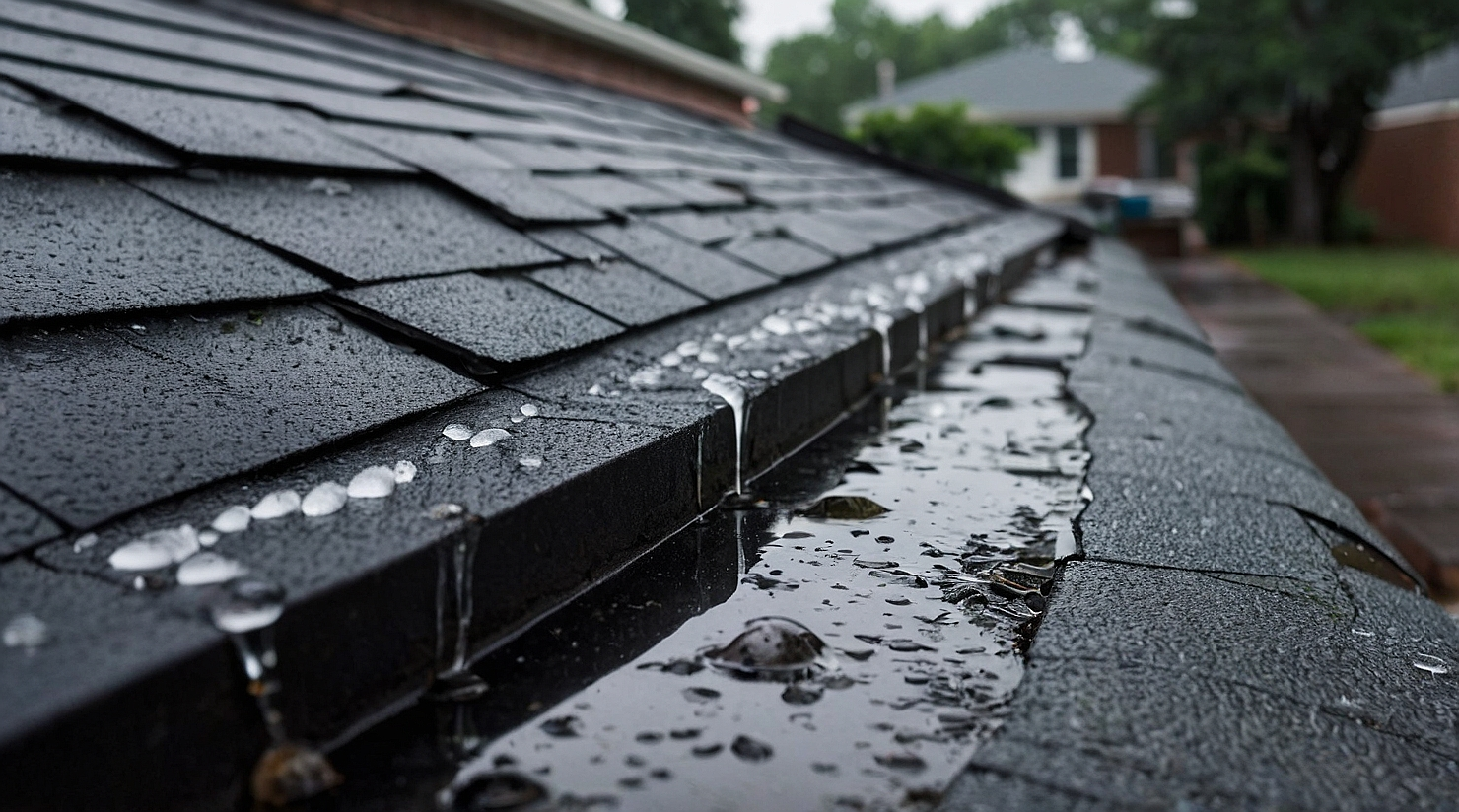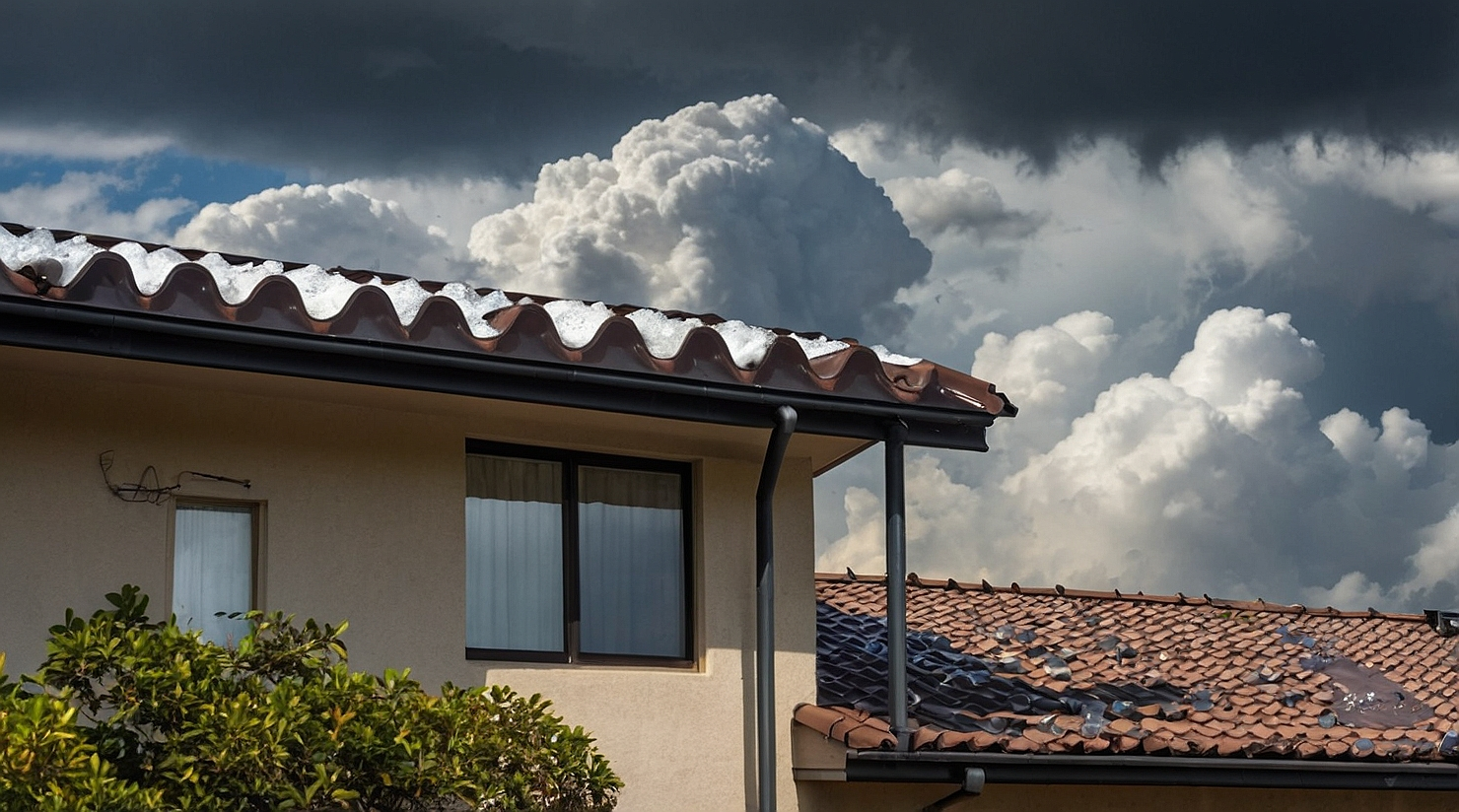

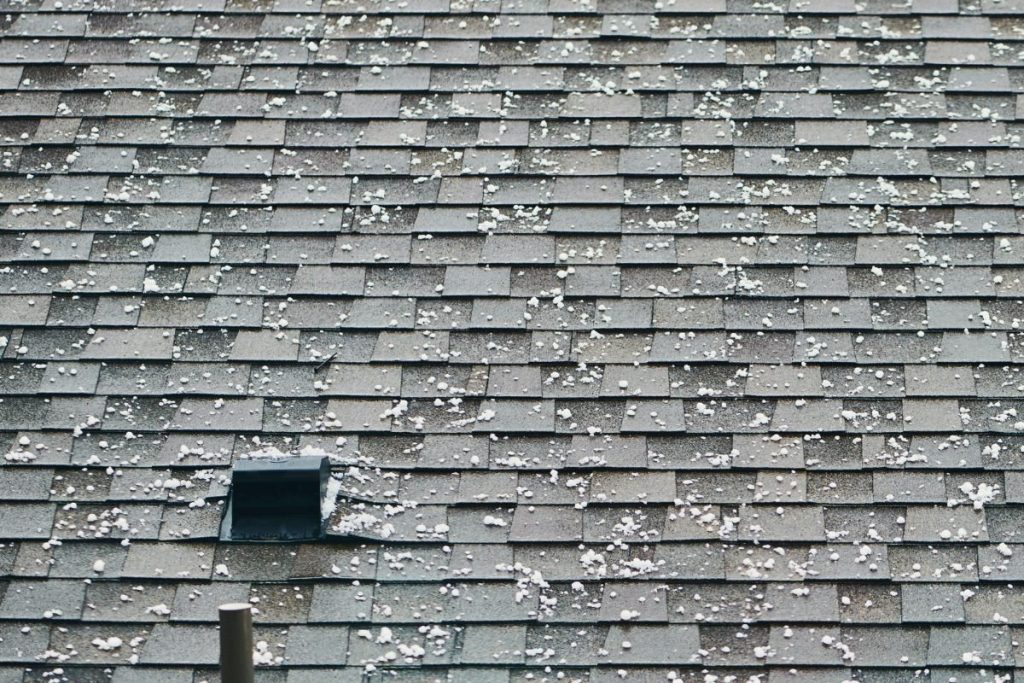
A quarter-sized hailstone doesn’t look like much sitting in your palm. On an asphalt shingle traveling at terminal velocity, it fractures the granule layer in a pattern that’s invisible from the ground but obvious under a trained eye at roof level. That fracture is where every leak, every insurance claim, and every tough decision starts.
Finding a top storm damage roofing company in Greeley means finding a contractor who understands what happens between the moment hail hits your shingles and the moment a new roof passes its final inspection. Most homeowners only see two steps: call the roofer, get a new roof. In reality, there are a dozen critical decisions in between, and the company handling them determines whether the process goes smoothly or turns into months of frustration.
Here’s what that process actually looks like when it’s done right.
The Inspection That Separates Good Companies from Everyone Else
Any roofer can climb a ladder and say you need a new roof. That’s easy. The difference shows in how the inspection is conducted and what gets documented.
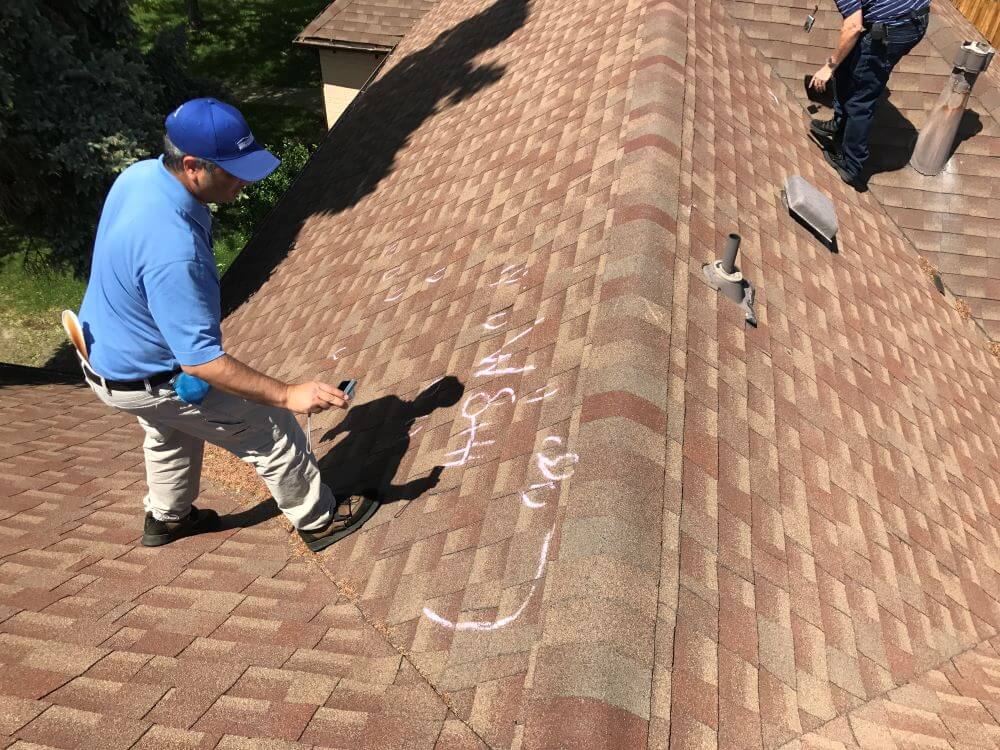
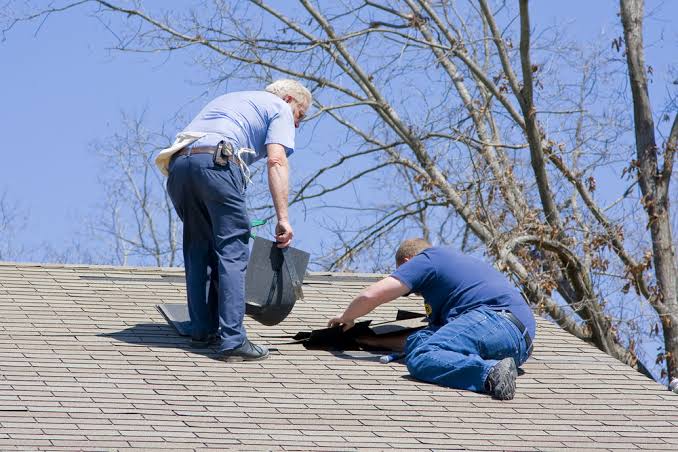
A qualified storm damage contractor in Greeley doesn’t just glance at the shingles. They’re checking specific indicators that insurance adjusters will look for when reviewing the claim.
- Hail impact patterns. Legitimate hail damage creates random, scattered impact marks. A good inspector knows the difference between hail bruising and simple weathering or blistering, which looks similar but has a completely different cause.
- Soft metal test points. Experienced inspectors check the aluminum vents, gutters, and flashing first. Soft metals dent easily and confirm whether hail actually struck the property, which supports the shingle damage claim.
- Collateral damage. Storm damage rarely stops at the roof. Downspouts, window screens, fence posts, AC condenser fins, and painted wood surfaces all tell a story. A thorough company documents everything because the insurance claim depends on a complete picture.
The inspection report from a top company reads like evidence, not a sales pitch. It includes measurements, photo documentation with timestamps, and a damage map showing exactly where impact occurred. This level of detail matters because it’s what your insurance adjuster will use to approve or deny your claim.
If you’re wondering what a proper residential roof inspection in Greeley should include, that’s a good place to start.
Working With Insurance, Not Around It
This is where a lot of roofing companies fall short, and where homeowners get burned.
Storm damage roofing is fundamentally an insurance-driven process. Your homeowner’s policy likely covers hail and wind damage minus your deductible. But getting the claim approved at the right amount requires a contractor who understands how insurance scoping works.
A top storm damage roofing company does several things that an average one skips:
- They use Xactimate. This is the software most insurance carriers use to price claims. A contractor who writes their estimate in the same format and language as the adjuster eliminates back-and-forth disputes and speeds up approval.
- They attend the adjuster meeting. A good company will be on the roof alongside the insurance adjuster during the inspection, pointing out documented damage and making sure nothing gets overlooked. Adjusters are thorough, but they handle dozens of claims after a major storm. Having your contractor present keeps everyone aligned.
- They supplement when necessary. Sometimes the initial insurance approval doesn’t cover the full scope, especially for code-upgrade items like drip edge, ice-and-water shield in valleys, or ventilation improvements required by current Greeley building codes. A knowledgeable contractor files supplements with supporting documentation rather than eating the cost or cutting corners.
The goal isn’t to inflate the claim. Honest companies don’t need to. The goal is to make sure the claim reflects the actual scope of work required to restore the roof to its pre-storm condition, built to current code.
Why Greeley’s Weather Demands Local Expertise
Northern Colorado’s storm season isn’t like storm season in Dallas or Atlanta. The Front Range corridor, including Greeley, Loveland, and Fort Collins, sits in one of the most active hail regions in the country. But it’s the combination of hazards that makes this area unique.
Greeley sits at roughly 4,660 feet of elevation. That means more intense UV exposure year-round, which ages shingles faster than at sea level. It also means freeze-thaw cycles that can run from late September through mid-May, expanding and contracting roofing materials for months on end. When a hailstorm hits shingles that have already been stressed by altitude and temperature swings, the damage is often worse than it would be on an identical roof in a lower, milder climate.
A storm damage roofing company based in Greeley understands this. They know that a roof here needs proper ventilation to manage the temperature differential between a sun-baked surface and a freezing attic. They know that ice-and-water shield isn’t optional in valleys and at eaves, even when the insurance scope doesn’t specifically call it out. And they know that the afternoon thunderstorms rolling off the Rockies between May and August mean scheduling and material staging have to account for sudden weather changes mid-job.
This kind of knowledge doesn’t come from a training manual. It comes from years of working on roofs in this specific climate.
The Installation Details That Matter Most After Storm Damage
A roof replacement driven by storm damage follows the same basic steps as any re-roof, but the details shift. Here’s what a top company pays attention to that others might rush past.
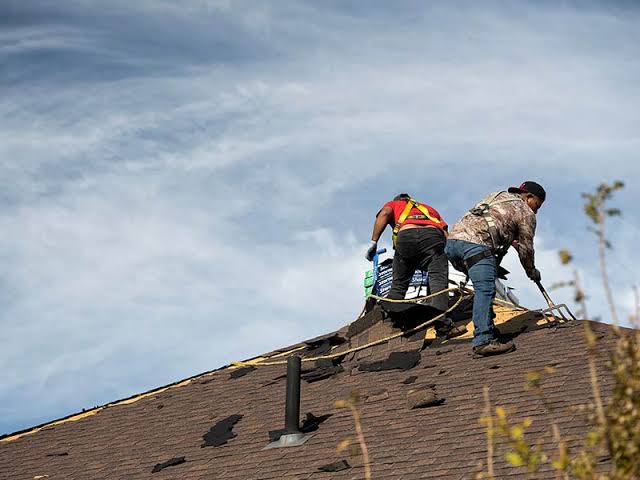
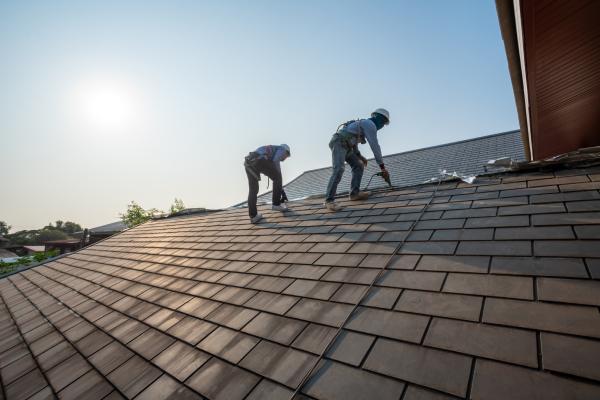
Decking inspection after tear-off. Once the old shingles come off, the plywood or OSB decking underneath tells the real story. Water intrusion from delayed repairs can cause soft spots, delamination, or even mold growth. A responsible crew inspects every sheet and replaces compromised decking before laying new underlayment. Skipping this step is how leaks come back six months later.
Starter strip and drip edge. These components seem minor, but they’re the first line of defense against wind-driven rain. A properly installed starter strip with an adhesive backing prevents shingle blow-offs during the next windstorm. Drip edge, now required by code in most jurisdictions, channels water into the gutter system instead of behind the fascia board where it causes rot.
Ventilation balance. Intake and exhaust ventilation need to be roughly equal. Too much exhaust without enough intake at the soffits creates negative pressure in the attic, which can actually pull moisture-laden air up through the ceiling. After a storm damage replacement is the ideal time to correct ventilation issues, because the roof is already open.
Flashing replacement. Step flashing at walls, counter flashing at chimneys, and valley flashing between roof planes all need attention during a re-roof. Reusing old flashing to save a few dollars is one of the most common shortcuts, and one of the most common causes of callbacks.
You can see how Faithful Roofing and Contracting handles each of these stages on their process page.
What “Top” Actually Means in Storm Damage Roofing
The word “top” gets thrown around a lot in roofing marketing. Here’s what it should actually mean, stripped of the sales language.
A top storm damage roofing company in Greeley carries proper licensing and insurance, including workers’ compensation. They have a verifiable physical address in the area, not a temporary setup that disappears after storm season. They’ve handled enough claims in Weld County to know the local adjusters, the permitting timeline, and the inspection requirements by memory.
They also do something that’s surprisingly rare. They tell you when your roof doesn’t need to be replaced. A company that only makes money on full replacements has an incentive to push for one every time. A company with integrity will tell you that your shingles took cosmetic hits but still have functional life left, and that a targeted repair makes more sense than a full tear-off.
That kind of honesty builds the kind of reputation that keeps a roofing company in business for the long term in a mid-sized market like Greeley. There’s no hiding behind volume here. Every job is a reference.
Get Your Roof Assessed by a Greeley-Based Storm Damage Team
Hail season along the Front Range is predictable in its unpredictability. The storms will come. The question is whether you’ll have the right contractor ready when they do.
The team at Faithful Roofing and Contracting is ready to help. Contact us today to schedule a free storm damage inspection with a local crew that knows Greeley roofs, Greeley weather, and the insurance process inside and out.