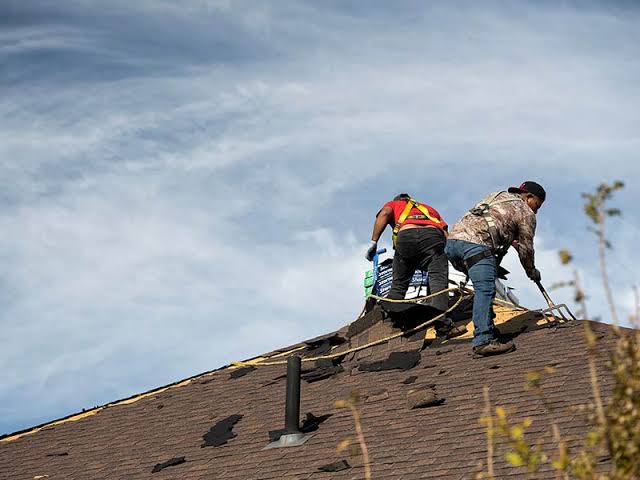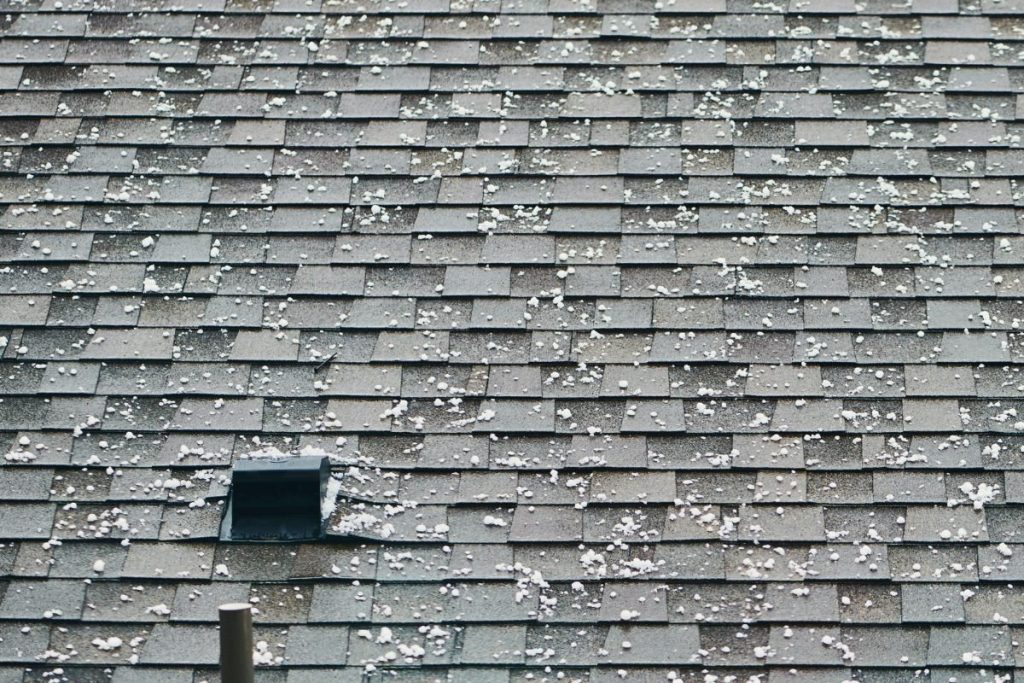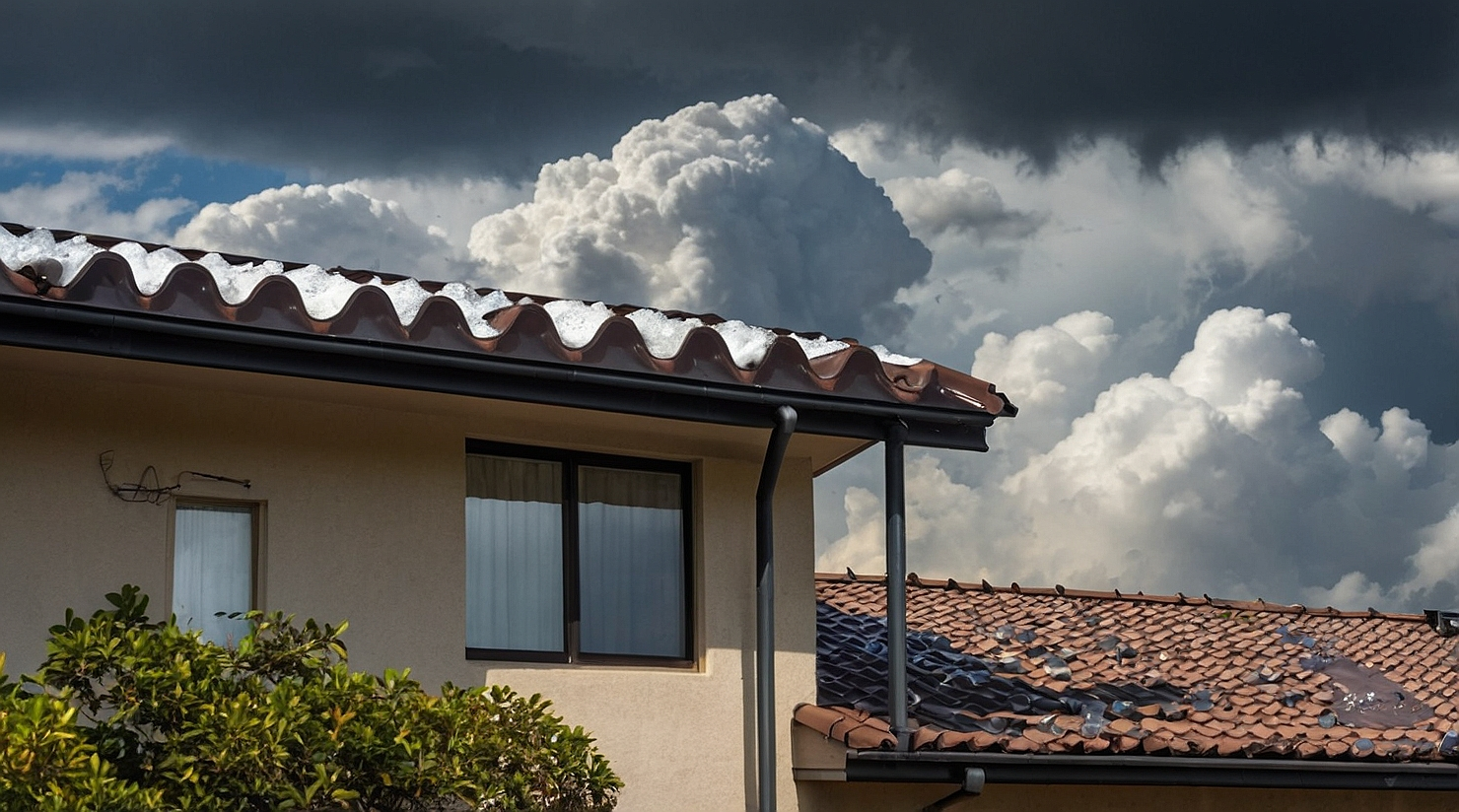

Three days after the last big hailstorm rolled through Greeley, the doorbell starts ringing. Not once. Over and over, from crews in unmarked trucks with out-of-state plates, clipboards ready, promising a free roof paid entirely by insurance. They’re polite. They’re fast. And most of them will be gone before the first winter freeze tests their work.
Choosing between a local roofer and a national storm chaser is one of the most consequential decisions a homeowner in Northern Colorado will make after severe weather. Get it right, and you have a solid roof backed by a contractor you can actually reach. Get it wrong, and you could be left with shoddy materials, a voided warranty, and nobody to call when things go sideways.
This post breaks down the specific mistakes homeowners make when storm chasers show up, and what to look for instead.
What a “Storm Chaser” Actually Is
The term gets thrown around loosely, so let’s be precise. A storm chaser is a roofing crew, sometimes working under a national company name, that follows severe weather events from state to state. After a hailstorm hammers Weld County, they’ll set up temporary operations in Greeley or Loveland, knock on hundreds of doors, sign as many contracts as possible, and move on to the next disaster zone within weeks.
Not every out-of-town roofer is a scam. Some national companies do solid work. But the storm-chaser model creates specific problems that a locally based roofing contractor simply doesn’t face.
- No permanent local presence. They operate from a hotel or a rented parking lot. If a leak develops eight months later, you’re calling a disconnected number.
- Volume over quality. Their profit comes from signing dozens of jobs fast, not from building a reputation in one community.
- Aggressive insurance tactics. Some will inflate claims, waive deductibles (which is illegal in Colorado), or pressure homeowners to sign an Assignment of Benefits before they fully understand the paperwork.
- Subcontracted labor. The crew on your roof may not be employees of the company that knocked on your door. That matters when accountability is on the line.
The Warranty Problem Nobody Mentions
Here’s something most homeowners don’t think about until it’s too late. A roof warranty has two parts: the manufacturer’s material warranty and the contractor’s workmanship warranty. The material warranty only holds up if the shingles were installed according to the manufacturer’s exact specifications. The workmanship warranty is only as reliable as the company backing it.
If a storm chaser folds, relocates, or simply stops answering phones, that workmanship warranty is worthless paper. And if their installation methods were off, even slightly, the manufacturer can deny the material claim too.
A local roofing company like Faithful Roofing and Contracting has a physical office on 18th Street in Greeley. They’re not going anywhere. If something goes wrong two years from now, you drive across town, not across state lines.

How Storm Chasers Actually Get in the Door
Understanding their playbook makes it easier to spot. Here’s how it typically unfolds in neighborhoods around Greeley after a spring or summer hailstorm:
- The unsolicited knock. They show up uninvited, usually within 48 hours of a storm. They’ll offer a free inspection and point out damage you may or may not actually have.
- The urgency pitch. They’ll tell you the damage is severe, that you need to file a claim immediately, and that they can handle the whole process for you today.
- The contract before the estimate. Some will push a signed agreement before your insurance adjuster even visits. That agreement may lock you into their services with cancellation penalties.
- The deductible “discount.” Offering to cover your deductible sounds generous. In Colorado, it’s a violation of insurance fraud statutes. A contractor willing to break that law on the front end isn’t someone you want responsible for your roof replacement.
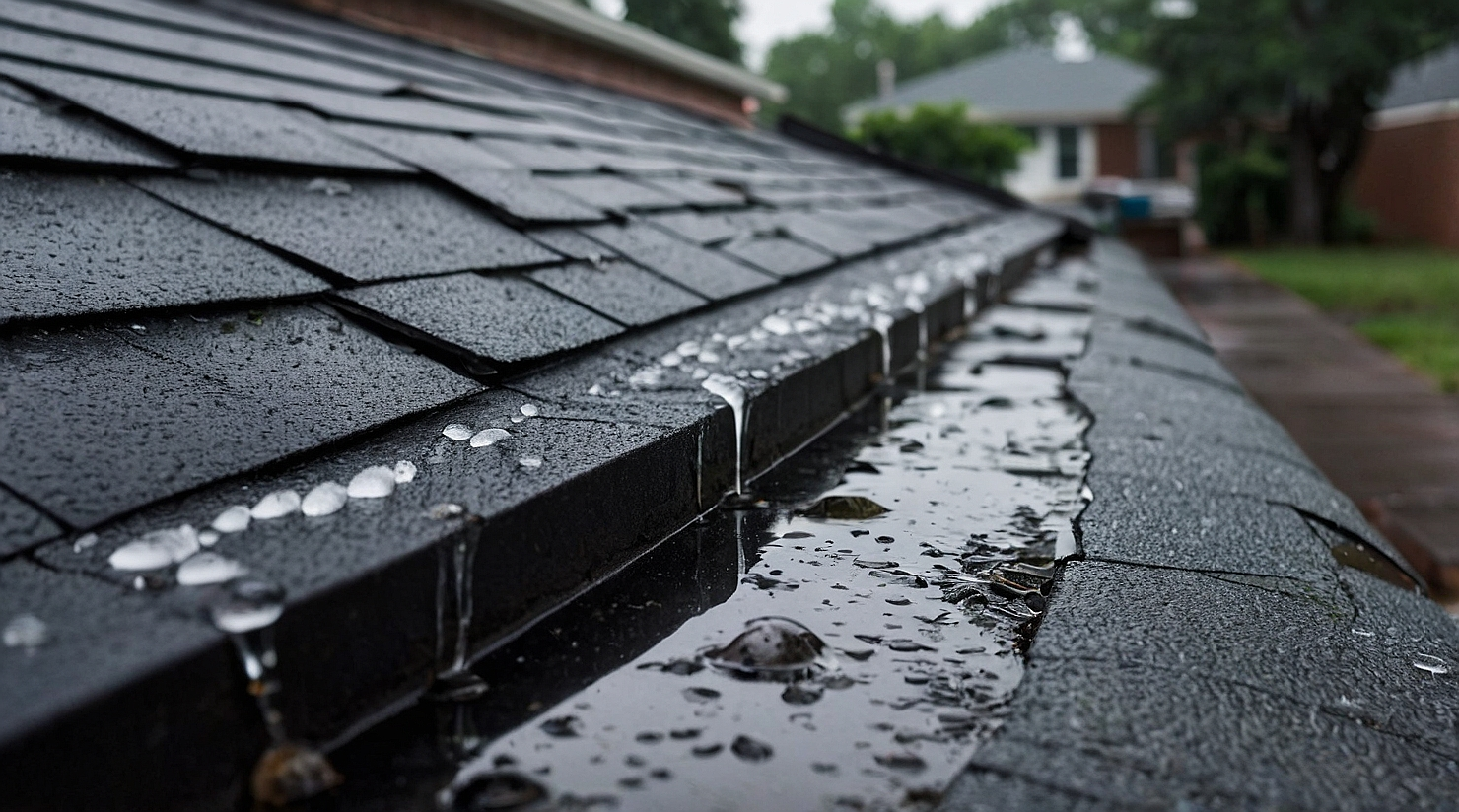
None of this means you should ignore storm damage. Hail is a real and recurring threat along the Front Range. Greeley averages multiple significant hailstorms per year, and some carry stones large enough to crack three-tab shingles on impact. Getting your roof inspected promptly is smart. Just be deliberate about who does it.
What a Local Roofer Brings to the Table
The advantage of hiring a local roofing contractor goes beyond convenience. It’s structural.
A local roofer knows the specific building codes in Weld County. They know which permits the City of Greeley requires and how the inspection process works. They’ve dealt with the same insurance adjusters before, and they understand the regional weather patterns that affect how a roof should be built.
Northern Colorado roofs take a beating that’s different from roofs in Texas or Florida. The combination of intense UV at altitude, freeze-thaw cycles that can run from October through April, and sudden hailstorms in June means roofing materials and installation techniques need to be tailored. A crew from out of state may not think about ice-and-water shield placement the way a contractor who’s watched ice dams form on Greeley homes for years does.
Then there’s the simple matter of accountability. A local company depends on its reputation. They sponsor little league teams, their trucks are parked at the same office every morning, and they answer to the same community they serve. That kind of proximity keeps standards high in a way that no corporate policy manual can replicate.
Five Questions to Ask Before You Sign Anything
You don’t need to be a roofing expert to protect yourself. Just slow down and ask the right questions before committing to any contractor, local or otherwise.
- What is your physical business address? A P.O. box or out-of-state address is a red flag. Check it on Google Maps.
- Can I see your Colorado contractor’s license and proof of insurance? Verify the policy is current and covers workers’ compensation. If a worker gets hurt on your property and the company is uninsured, you could be liable.
- Will you provide a written estimate before I sign a contract? Any legitimate contractor will give you a detailed scope of work. If they pressure you to sign first, walk away.
- Who will actually be on my roof? Ask whether the work is done by in-house crews or subcontractors. In-house crews mean tighter quality control.
- What does your workmanship warranty cover, and for how long? Get it in writing. Then confirm the company has been in business long enough to realistically honor that timeframe.
If you want to see how a transparent roofing process should look from start to finish, that’s worth reviewing before you talk to anyone.
The Real Cost of Choosing Wrong
The cheapest bid isn’t always the most expensive mistake, but it often is. Homeowners who hire storm chasers sometimes end up paying twice. Once for the original job and again for a local contractor to fix improper flashing, misaligned drip edges, or underlayment that wasn’t installed to code.
Insurance companies are also getting wise to inflated claims. If your storm chaser submitted a padded claim and the insurer later audits it, you, the homeowner, are the policyholder on the hook. Not the roofer who’s already three states away working the next hailstorm.
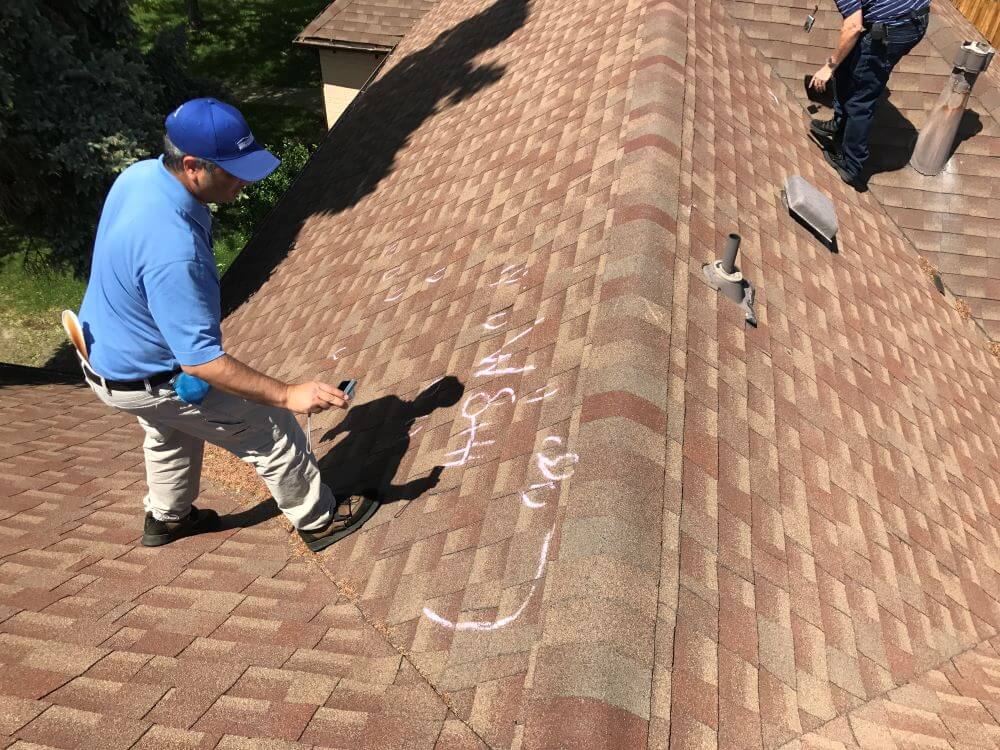
A professional roof inspection from a local contractor gives you an honest assessment of what’s actually damaged and what’s not. That honesty might mean a smaller claim, but it also means a smoother process and a roof that’s done right.
Don’t Wait for the Knock. Choose Your Roofer Before the Storm.
The best time to find a trustworthy local roofer is before you need one. After a storm, emotions run high, timelines feel urgent, and that’s exactly the environment storm chasers thrive in. Having an established relationship with a Greeley-based roofing company means you already know who to call when the hail hits.
Choosing a local roofer over a national storm chaser is about protecting your home, your wallet, and your peace of mind for the long haul.
The team at Faithful Roofing and Contracting is ready to help. Contact us today to schedule an inspection or talk through your roofing options with a contractor who will still be here next season, and the season after that.