
When real estate appraisers evaluate a residential asset, the exterior envelope serves as the primary barrier against asset devaluation. A well-maintained house acts as a benchmark for local housing market values, commanding a premium in competitive regional markets. Conversely, when minor external degradation is overlooked, the appraisal value drops significantly. Real estate professionals evaluate structural soundness from the outside in. A property that demonstrates visible wear suggests neglect throughout the entire asset, leading to a direct reduction in the baseline market valuation. Local housing market values reflect neighborhood pride and structural durability, meaning an unkempt exterior brings down the baseline valuation for neighboring properties as well.
Unaddressed issues on the exterior allow environmental elements to penetrate the structural framing. In regions experiencing volatile weather shifts, a small opening in the exterior finish allows moisture infiltration. This initial failure causes hidden rot within wall cavities, which systematically destabilizes the framework of the property. When an appraiser documents these compromised exterior surfaces, the immediate effect is a mandatory markdown on the property valuation report. Maintaining peak equity requires an early response to visible exterior deterioration before the damage compromises the financial value of the asset. Property owners must track these physical indicators carefully to protect their market position.
Why Does Deferring Routine Roof System Assessments Cause Long-Term Asset Devaluation?
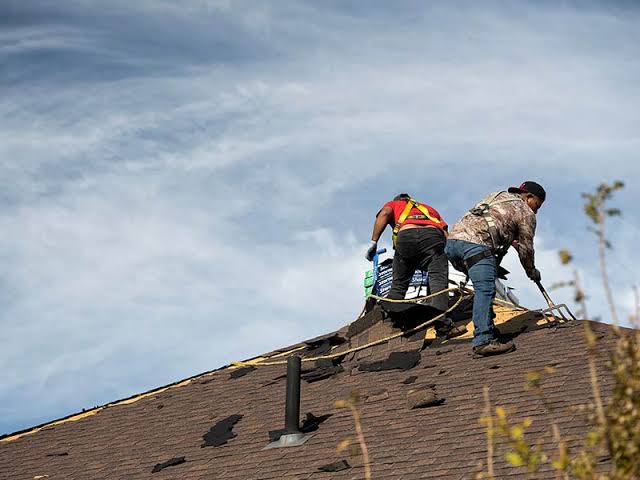
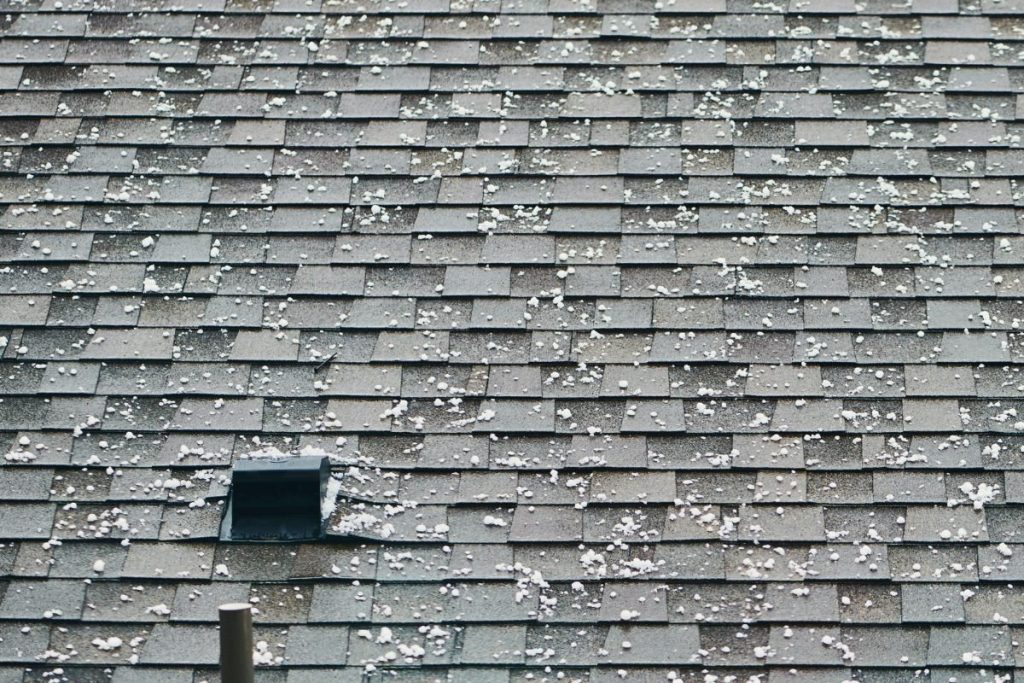
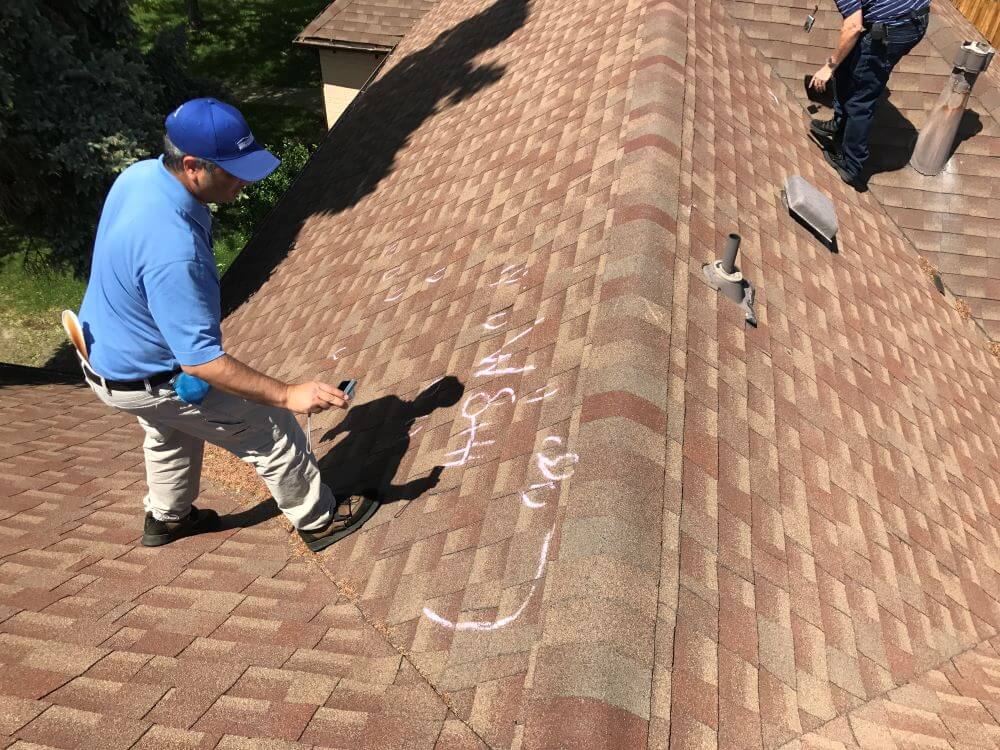
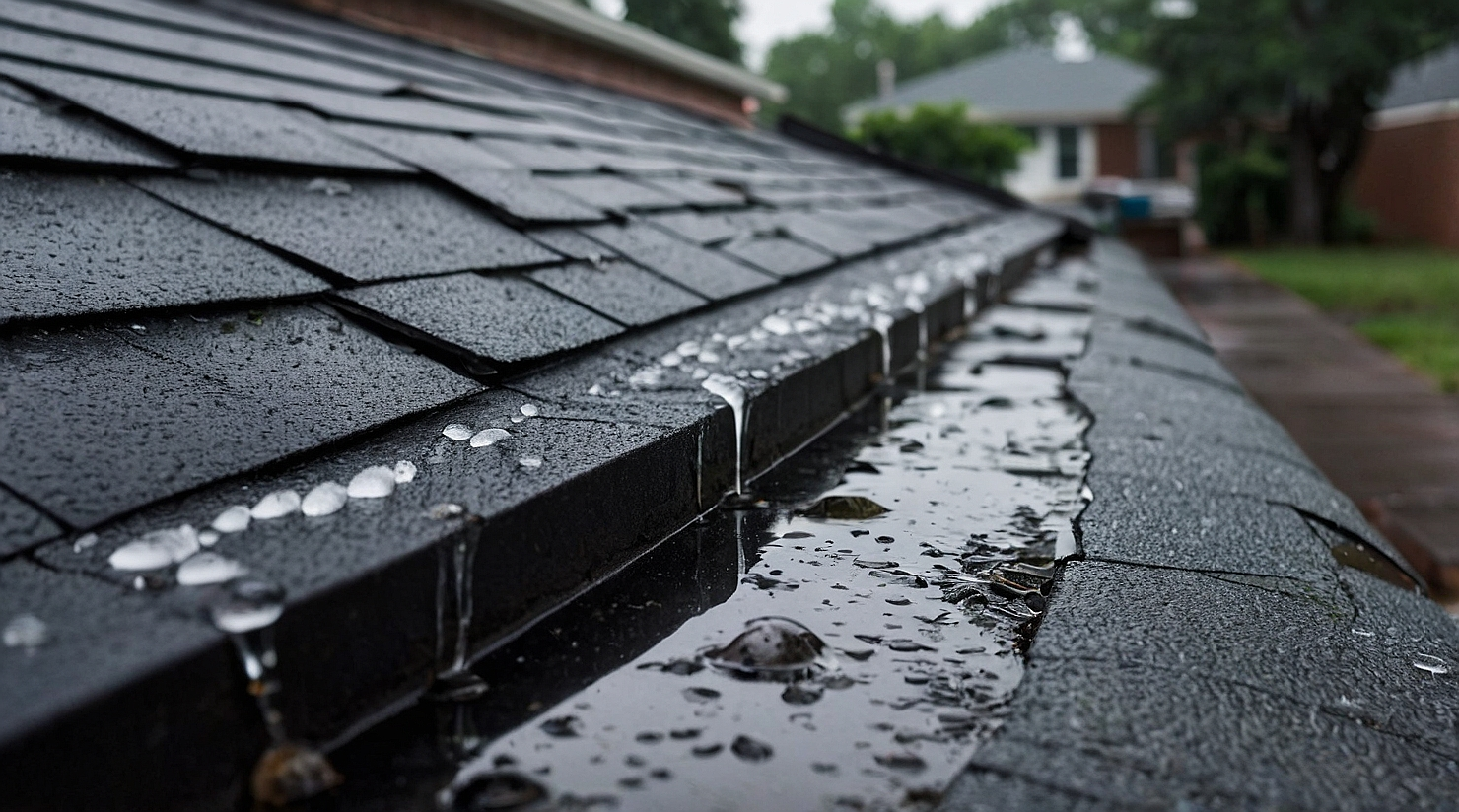
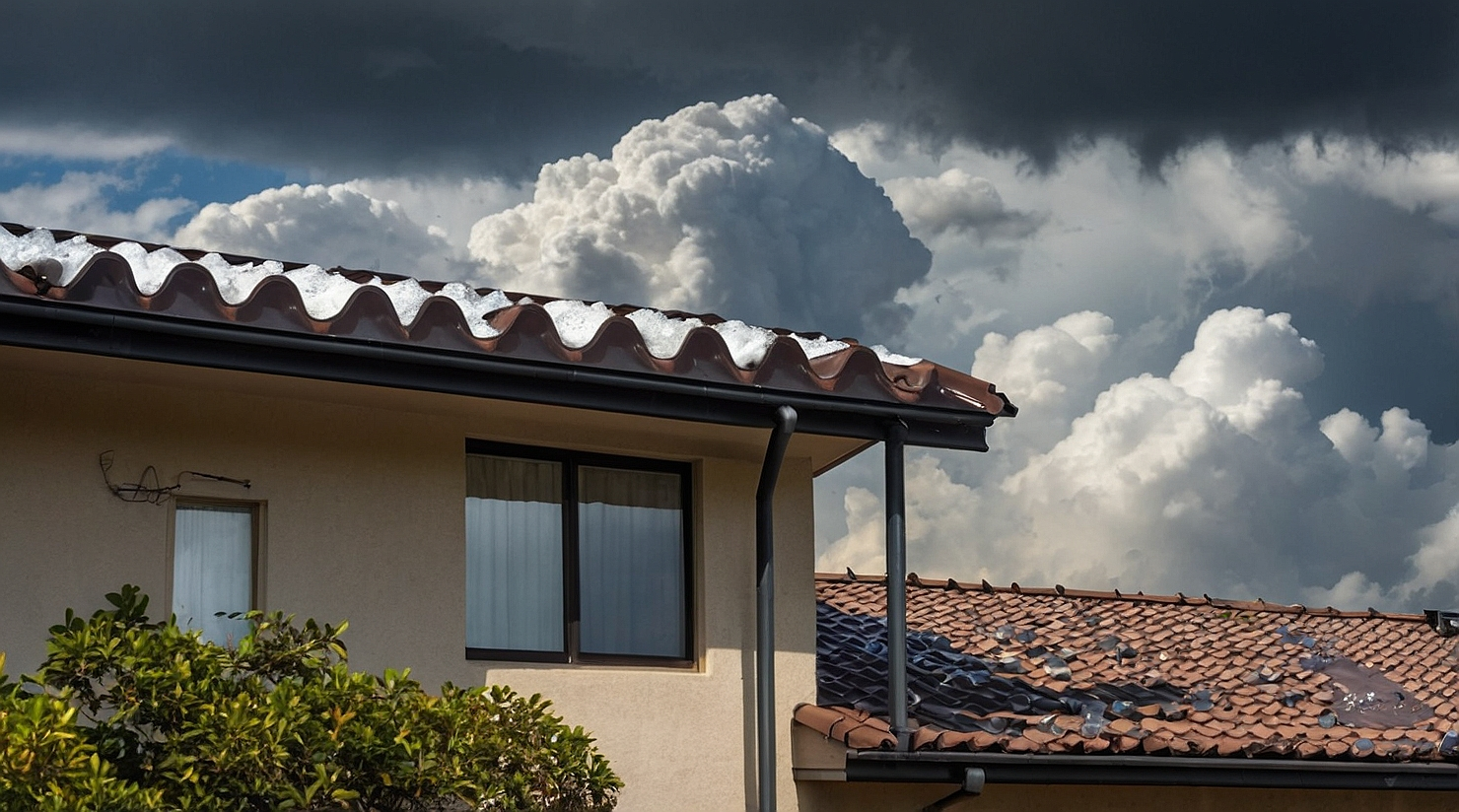
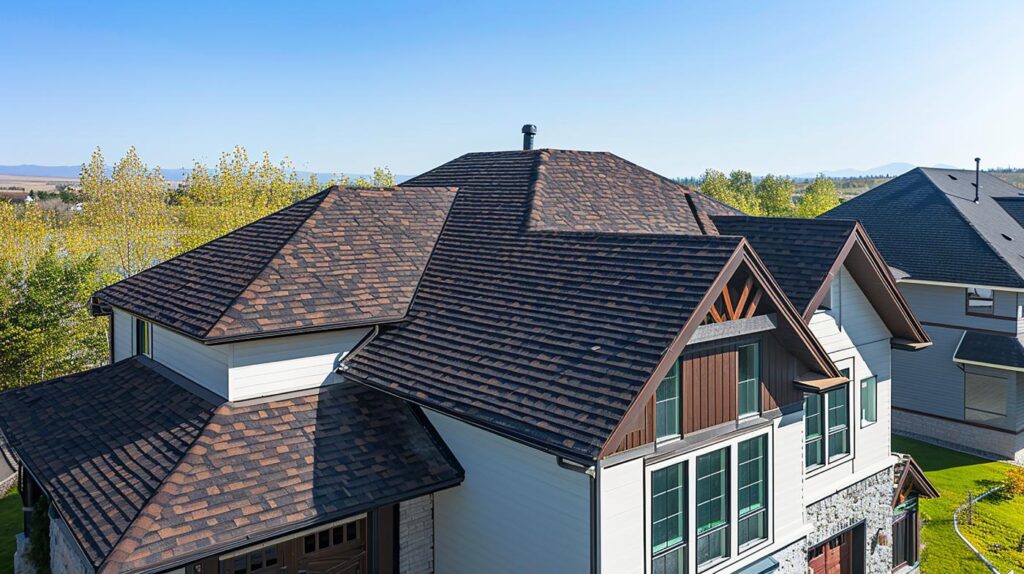
The roof system functions as the most critical protective component of a real estate asset. Neglecting a thorough residential roof inspection results in undocumented surface wear that steadily worsens over time. Small anomalies, such as displaced shingles or minor flashing gaps, permit rainwater to breach the underlying decking. When moisture passes beneath the protective underlayment, the wood begins to decay, compromising the structural safety of the home. This internal decay goes unnoticed until a professional physical assessment reveals extensive structural rot. Homebuyers regularly walk away from transactions when a roof grid shows clear signs of structural neglect.
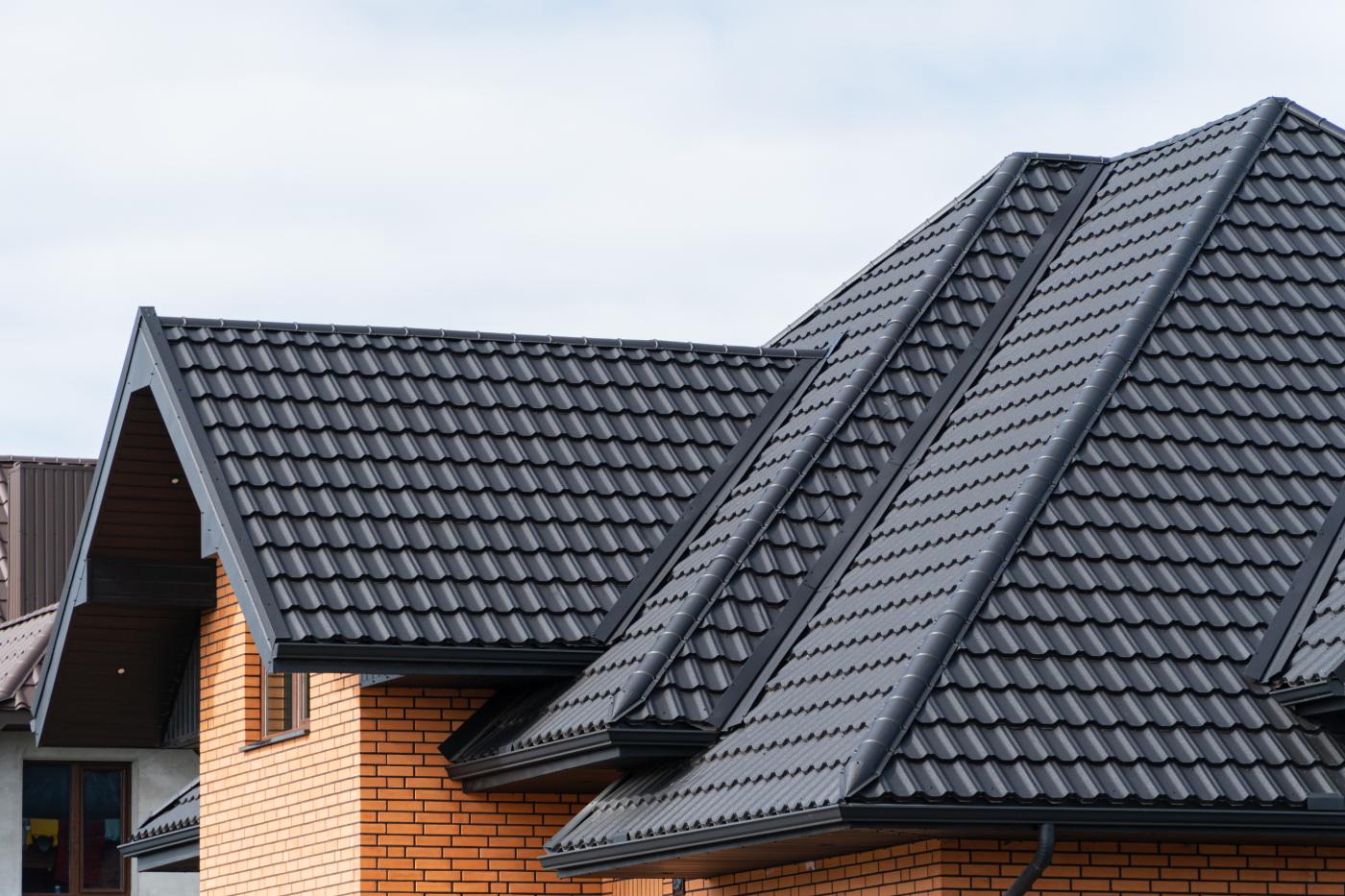
A compromised upper barrier forces a home valuation down because the cost of remediation is deducted from the final appraisal. Buyers and lenders require a fully functional roof before completing property transfers. When an owner bypasses routine maintenance, the property becomes an insurable risk, preventing successful refinancing or sales. Undergoing regular structural evaluations stops moisture from settling into the framing, protecting the monetary investments of property owners. Investing in a timely roof repair or a complete roof installation stabilizes the asset framework, positioning the building for maximum financial performance during a subsequent market evaluation.
How Do Outdated Exterior Features Affect the Sale Price of Growing Residential Real Estate?
Modern buyers prioritize energy efficiency and low physical maintenance when purchasing a home. Old or damaged windows allow climate-controlled air to escape, forcing HVAC systems to work harder and raising utility costs. When prospective buyers spot cracked frames or failing seals, they view the property as a financial liability. This negative perception leads directly to lower offers, as buyers calculate the immediate financial deduction required to modernize the fenestration. Lower offers depress the historical sales data for the neighborhood, altering regional trends.
Similarly, degraded siding and stucco lower aesthetic appeal and remove protection against regional wind and rain. Weathered exterior cladding permits pest infestation and rot, which rapidly destroys underlying insulation layers. Upgrading these features changes the financial trajectory of a real estate asset. Property owners who actively modernize their exterior materials capture higher market valuations, transforming an aging structure into a highly competitive asset on the local real estate market. These updates provide immediate return on investment by eliminating structural vulnerabilities before an appraiser arrives.
What Role Does Peripheral Infrastructure Play in Maximizing Overall Property Appraisals?
Appraisers do not look at the main residential structure in isolation; they assess the entire parcel of land, including perimeter boundaries. Damaged fencing reduces security and creates a sense of neglect across the property. A broken or rotting boundary wall indicates poor property management, which influences the appraiser’s final grade on the condition of the home. Replacing old perimeters creates a secure boundary that adds measurable value to the appraisal. Strategic upgrades to land perimeters elevate the visual profile of the entire neighborhood block.
Furthermore, neglecting the condition of the regional gutters causes water to overflow during heavy downpours. This overflow falls directly next to the concrete slab, saturating the soil and creating hydrostatic pressure against the home. The resulting foundation shifts cause interior drywall cracks and sticking doors, which heavily penalize the total market value of the property. Directing rainwater away from the perimeter through clear drainage channels protects the foundation, keeping the property structurally sound. Addressing peripheral systems protects the core structure from expensive foundational destabilization.
How Does Proactive Multi-Family Property Maintenance Secure Commercial Investor Capital?
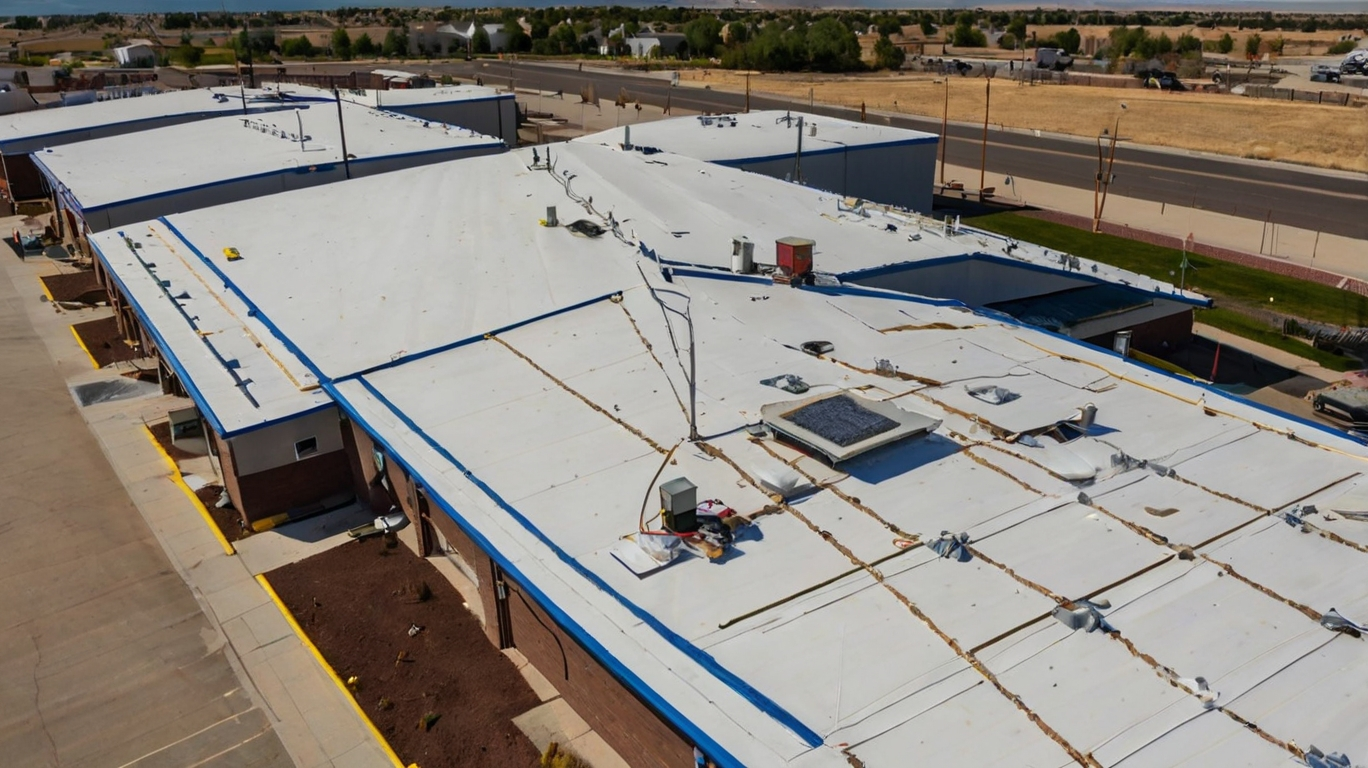
In the commercial real estate sector, large assets face intense operational scrutiny from portfolio managers and institutional investors. Relying on a strategic plan for multi-family restoration prevents property depreciation across large living complexes. When breezeways, shared balconies, and common roofs display signs of wear, tenant retention drops. This reduction in occupancy directly lowers the net operating income of the property. Because commercial valuations depend heavily on capitalization rates and predictable income streams, physical neglect directly reduces the overall market value of the real estate asset.
Implementing consistent asset upgrades alters this economic cycle completely. Enhancing the exterior profile of a multi-family asset attracts higher-paying tenants and reduces vacancy rates. Appraisers calculate the value of commercial tracts by analyzing physical risk alongside revenue generation. A well-maintained structural envelope signals low operational risk to banking institutions and secondary market buyers. Executing exterior enhancements on a strict schedule preserves asset liquidity, guaranteeing that commercial property owners secure premium financing options during capital restructuring periods.
Established in 2014, Faithful Roofing and Contracting delivers the physical solutions necessary to preserve the structural wealth of neighborhoods across Colorado and Alabama. Adapting to fluctuating economic conditions demands a reliable alliance with specialists who emphasize structural resilience and operational efficiency, analyzing every exterior feature to comply with municipal regulations. Eliminating minor building defects early halts the progression of structural wear before deterioration impacts the total market value of the property.