
When I scheduled my roof installation in Greeley, CO, with Faithful Roofing and Contracting, I learned that timing depends on more than just a crew showing up. Factors like sudden spring snow, city permits, and material deliveries can change the timeline. Understanding these variables helped me set realistic expectations for my residential roofing project this March.
Why Did I Decide To Replace My Roof This Spring?
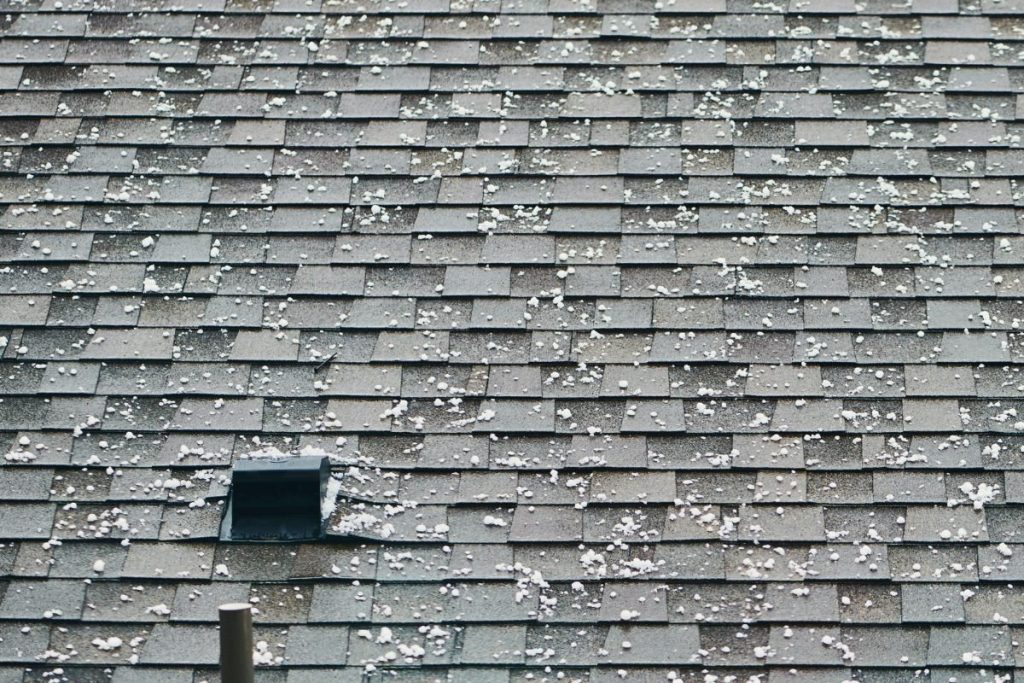
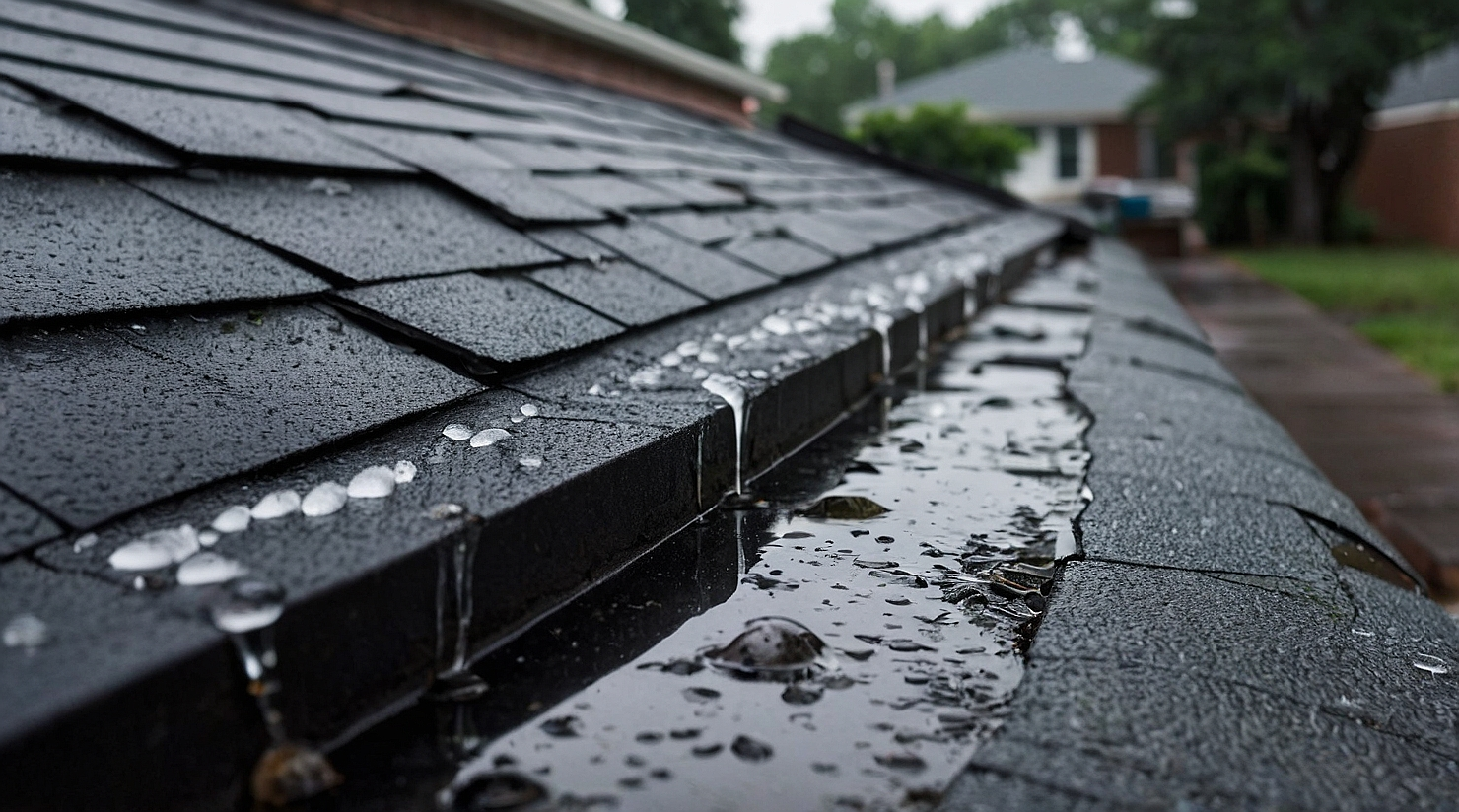
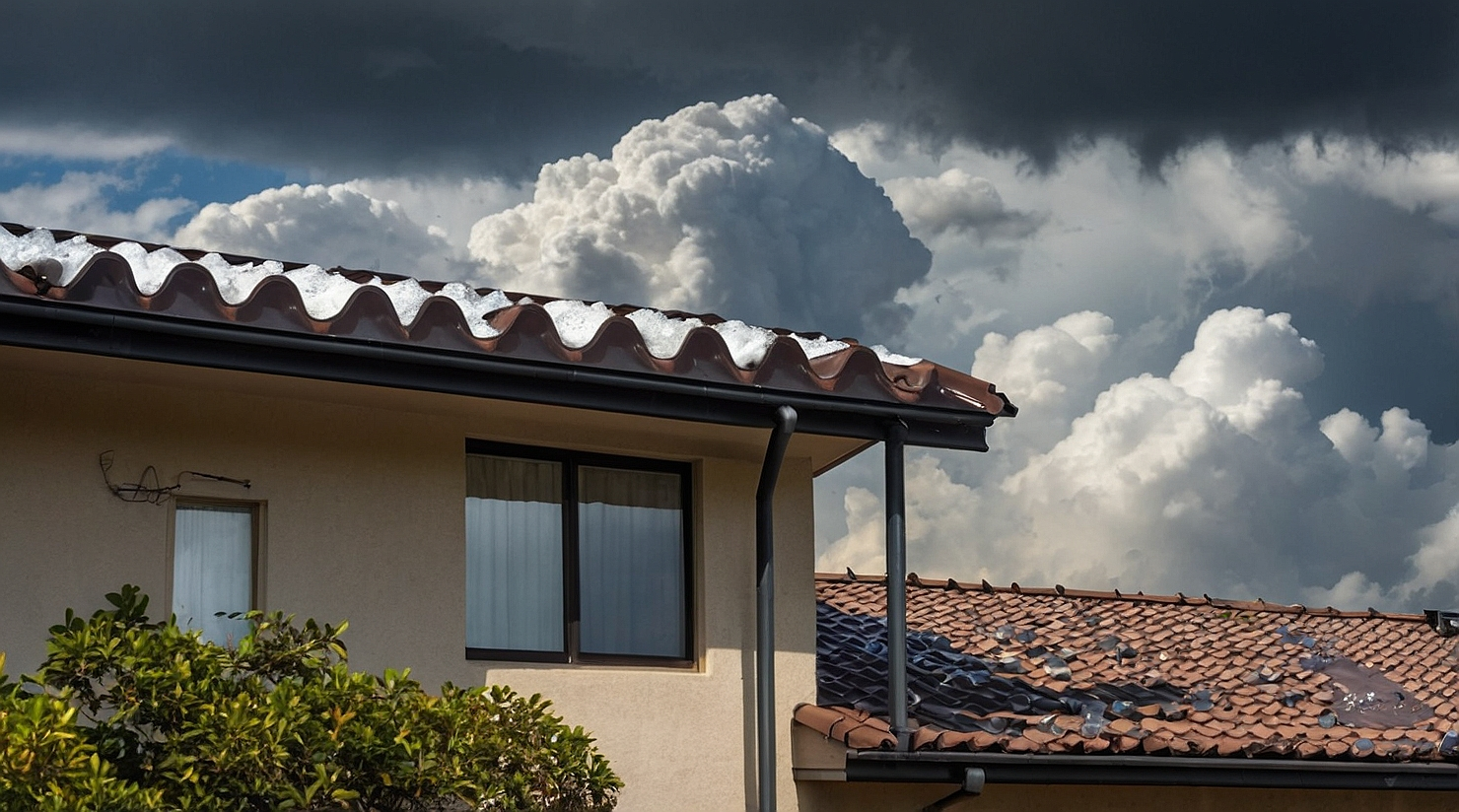
Living in Greeley for several years has taught me that our weather is unpredictable. After a particularly rough winter and a few heavy hailstorms the previous year, I noticed some issues that made me uneasy. I saw a few shingles in the grass after a windy afternoon, and when I looked closer at the roof from the driveway, some areas looked uneven. I didn’t want to wait for the heavy spring rains or the next big hail cycle to see if a leak would start.
I reached out to a local roofing company because I wanted a professional to tell me if I was overreacting or if the wear was significant.
How Does The Weather Impact The Schedule?
The first thing I realized is that a roof installation is entirely dependent on the forecast. In Greeley, March is a bit of a gamble. One day it is 60 degrees and sunny, and the next day we have four inches of heavy, wet snow. A roofing company has to look for a clear window of at least two or three days to ensure the house isn’t exposed to moisture while the old materials are off.
Temperature also plays a role. If it is too cold, the self-sealing strips on new shingles might not bond correctly right away. Most crews prefer to work when it is at least 40 degrees and rising. During my project, we actually had to push the start date back by two days because a late season cold front moved through.
What Part Does The Permit Process Play?
I honestly forgot that a roof installation requires paperwork from the city. In Greeley, a reputable contractor has to pull a permit before they can start. This isn’t just a formality. It is a way for the city to ensure the work meets local building codes.
The permit process can add a few days to the lead time. I learned that the roofing company handles the filing, but we were still at the mercy of the city’s processing speed. Additionally, once the job is done, there is often a final inspection by a city official.
Knowing that these steps are in place actually made me feel better about the quality of the work. It meant there was an extra set of eyes making sure everything was done by the book.
Why Do Material Deliveries Sometimes Cause Gaps?
Another thing that surprised me was the logistics of getting the materials to my house. I assumed the crew would just bring everything on a truck the morning of the job. But for a full roof installation, the shingles, underlayment, and flashing are usually delivered by a separate supply truck. In some cases, they use a “roof-top delivery” where a crane lifts the pallets directly onto the roof.
How Does The Complexity Of The Roof Affect The Timeline?
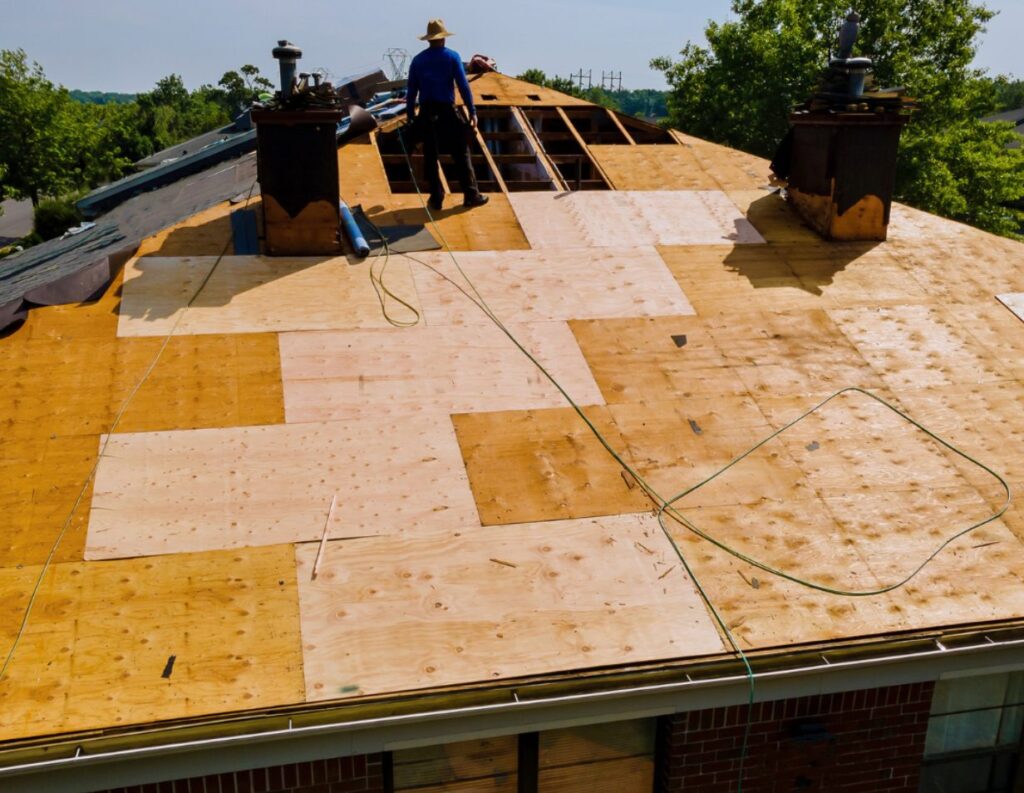
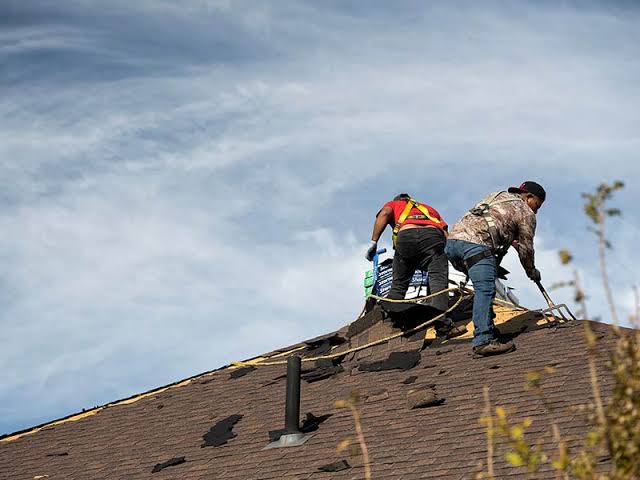
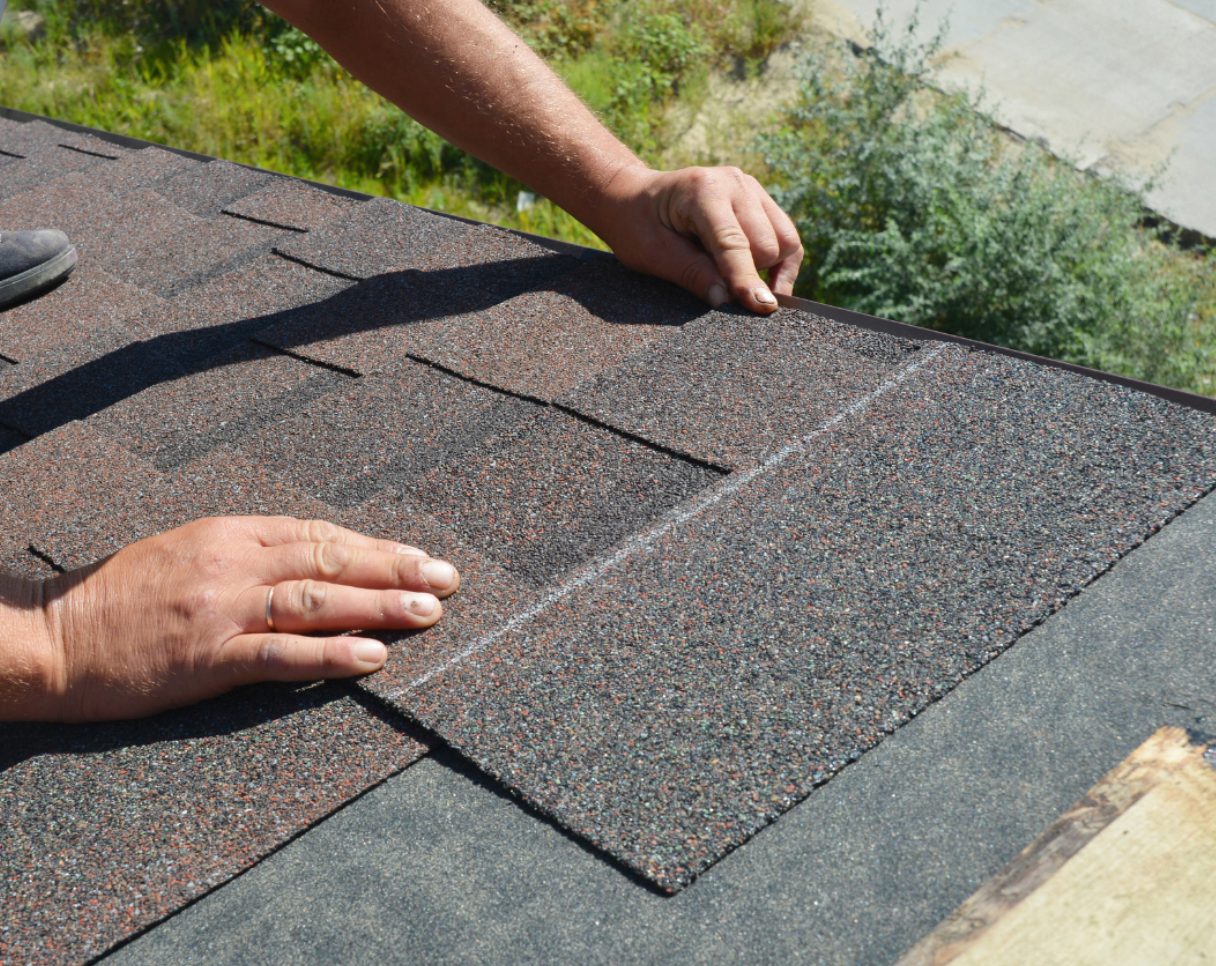
Once the crew actually got started, I saw how the shape of my house influenced the speed. My roof has several valleys, a steep pitch in the front, and a chimney that required new flashing. These details take much longer to address than a simple, flat “up and over” roof. Every time the installers have to cut shingles to fit a valley or seal around a vent pipe, the clock keeps ticking.
What Should I Expect For Costs And Timeframes?
In the Greeley area, the cost of a roof installation can vary significantly based on the square footage and the materials chosen. For a standard residential home, I found that prices often fall between $10,000 and $20,000, though larger homes or premium materials like metal can push that higher. What really affects the price is the pitch of the roof and the number of layers that need to be removed.
The timeframe is usually shorter than I expected. Most residential roofing jobs in our area take about one to three days of actual labor. However, when you factor in the scheduling, permits, and weather windows, the total process from the first phone call to the final inspection might take two or three weeks.
Frequently Asked Questions About Roofing Delays
Can a roof be installed in the rain?
No, a professional crew will not start a tear-off if rain is expected. Opening up the roof during a storm risks significant water damage to the interior of the home.
Will the crew work on weekends to finish a delayed project?
This depends on the company and local noise ordinances.
Some crews will work on Saturdays to finish a job if a weather delay pushes them back, but it is usually discussed beforehand.
What happens if damage is found under the old shingles?
If the decking is rotted, it must be replaced before the new shingles go on. This adds to the material cost and the labor time, but it is necessary for a solid roof.
Do I need to be home during the entire installation?
I didn’t need to be inside, but being reachable by phone was helpful. If the crew found an issue or had a question about the driveway access, they could get an answer quickly.
Why I Worked With A Local Professional In Greeley, CO
When I was looking for a roofing company, I wanted someone who lived and worked in Northern Colorado. Local knowledge matters because they understand how our wind and sun affect different materials. They also know the specific building codes in Greeley and have established relationships with local permit offices.
Faithful Roofing and Contracting stood out to me because they were straightforward about the potential for delays. They didn’t promise a one-day turnaround in the middle of a Colorado March. Instead, they explained the process and kept me updated as the schedule shifted due to the weather.
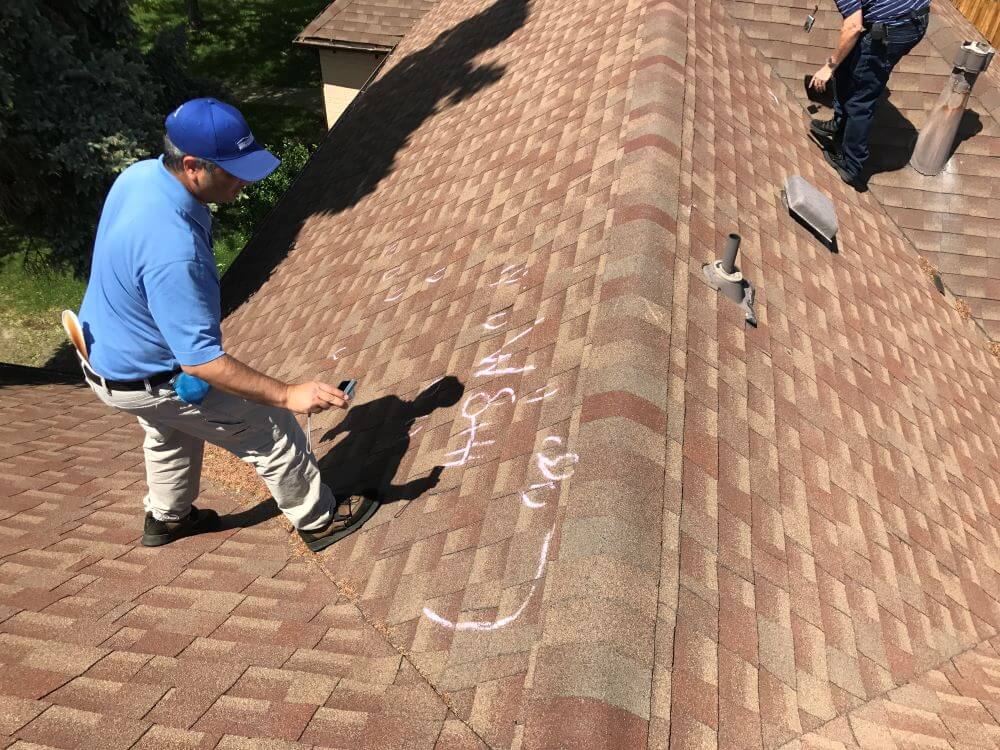
If you are noticing some wear on your shingles or just want to know how much life your roof has left, it is worth getting a professional opinion. Addressing the issue early helps prevent further damage and allows the area to dry properly before the next big storm hits. To get started on your own project and see where your roof stands, get a free in-person evaluation.