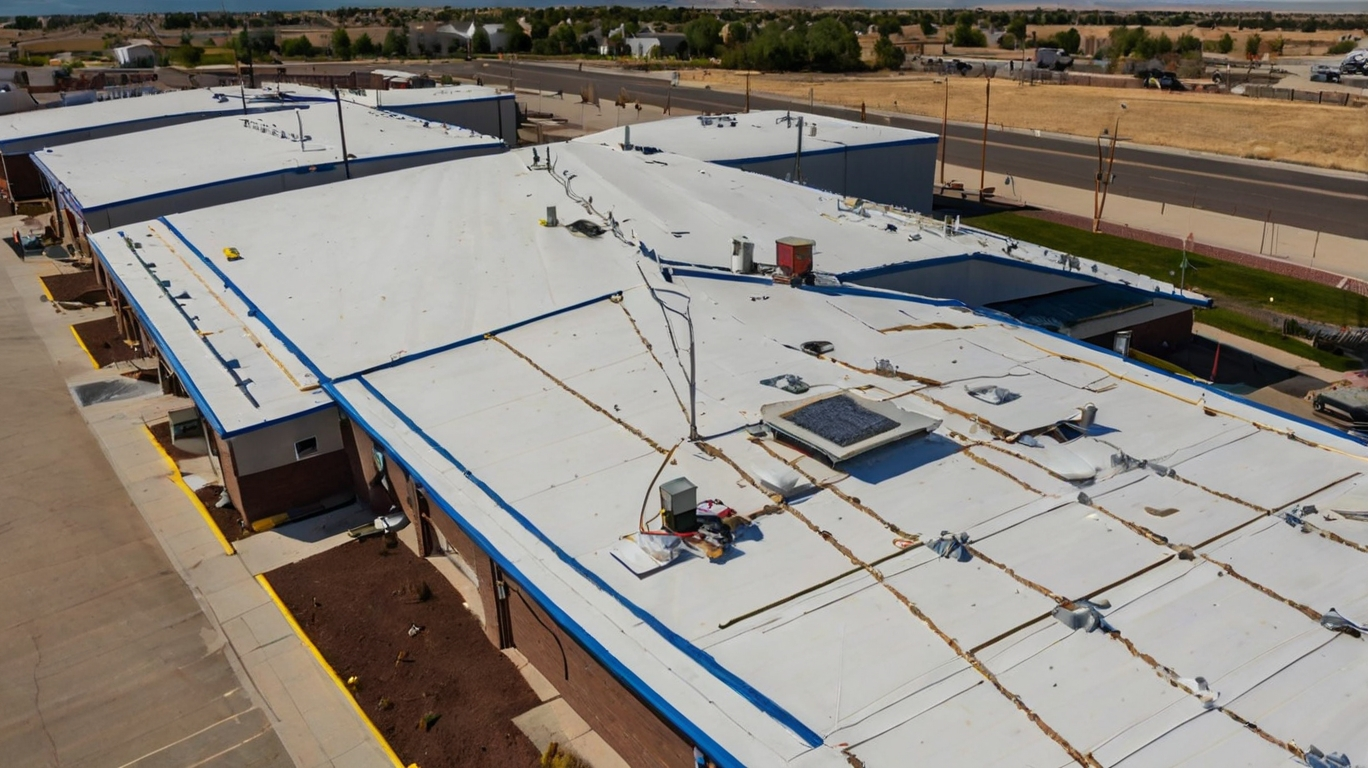

Chris owns a property east of Roggen along Highway 52, roughly 2,400 square feet of main house plus a detached workshop he’s been using for his small welding business. He bought the place in 2008 with what he thought was a decent asphalt shingle roof. By last summer, after 18 years of High Plains wind, hail cycles, and sun exposure that doesn’t quit, the roof had reached the point where repair wasn’t producing meaningful service life anymore. His September call to us wasn’t about whether to replace, exactly. It was about whether we could complete a full roof replacement before the first serious winter weather arrived, and what the project would actually involve for a Roggen property with his specific conditions. His roof replacement project became a useful illustration of what a complete residential replacement looks like on a High Plains rural property this time of year.
The Starting Point: Why Chris’s Roof Had Reached Replacement
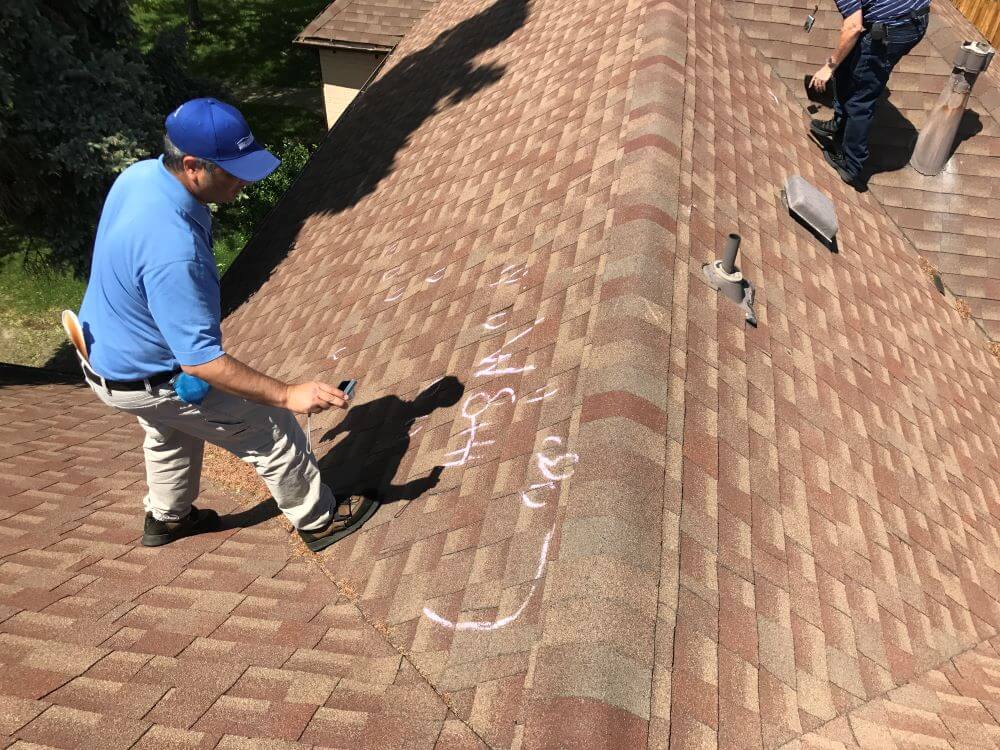
The first visit to Chris’s property happened on a Thursday morning in early September. The initial assessment identified several specific conditions that had moved his situation from repair territory into replacement territory.
The specific conditions we documented:
- Shingle age approaching 20 years with a 25-year rated product that had seen harder conditions than most 25-year roofs ever face
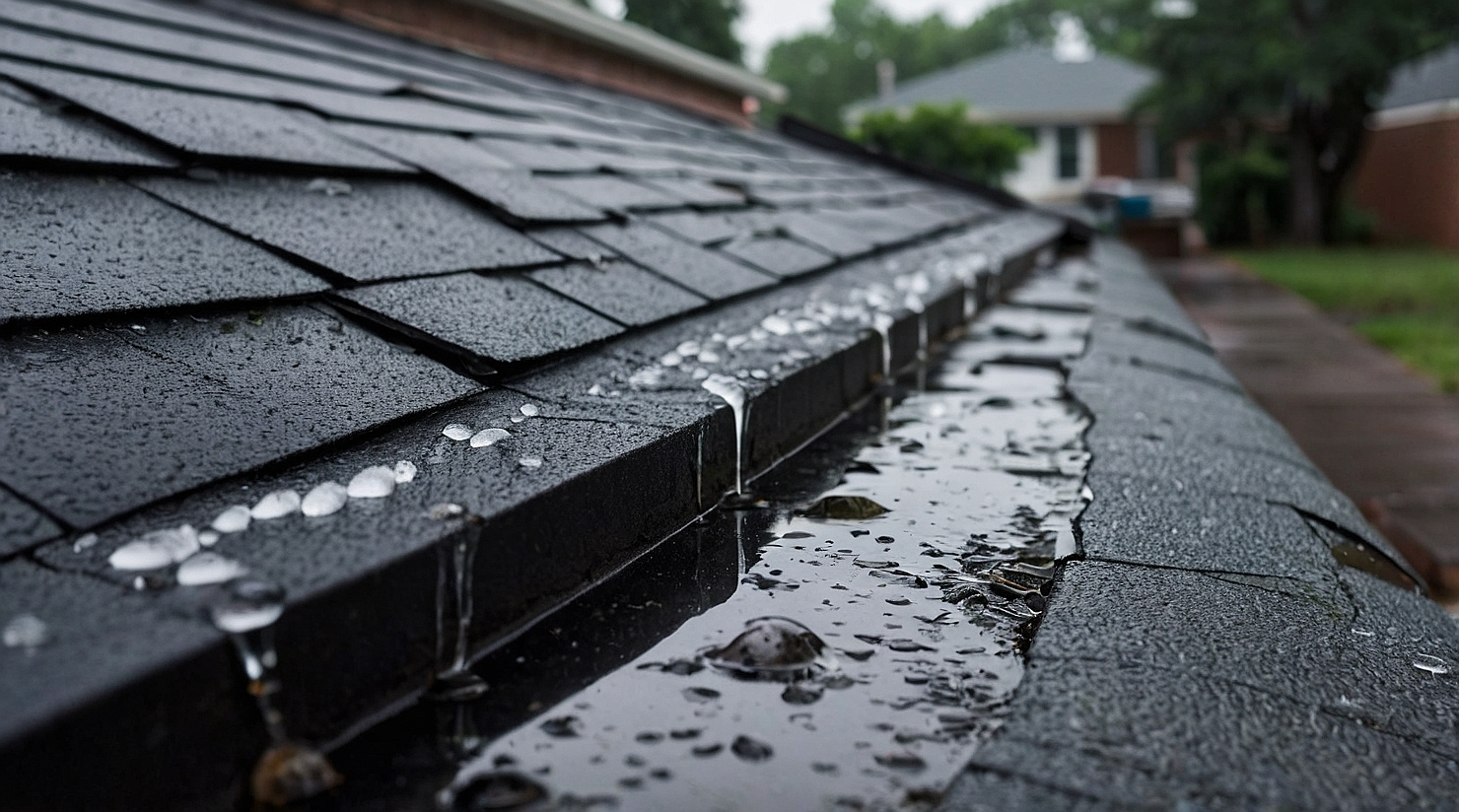
- Granule loss across approximately 60% of the roof surface with substantial accumulation in his gutters
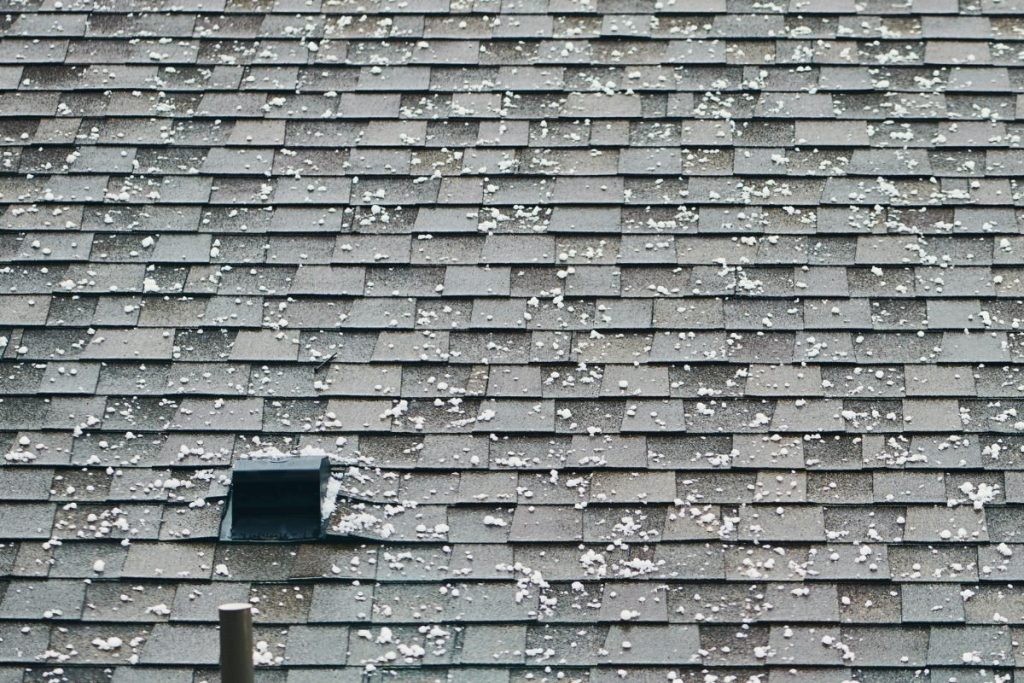
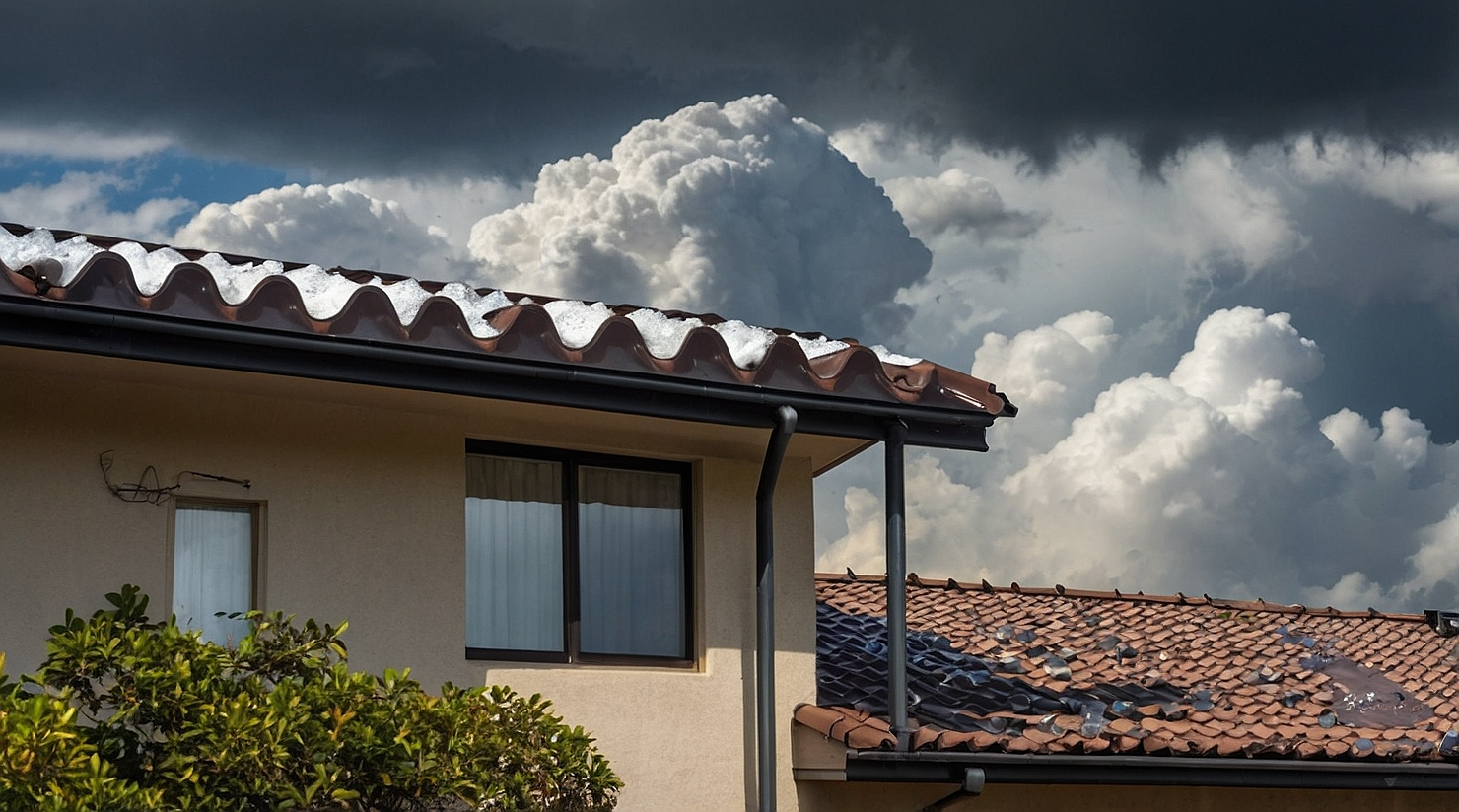
- Multiple hail impact sites from storm events across the previous five years that had been patched but not addressed systematically
- Wind damage at ridgeline and valleys where sustained Weld County wind had lifted shingles over time
- Flashing deterioration at his chimney and plumbing vents that had developed through heat and UV cycles
- Underlayment exposure in several locations where overlying shingle protection had failed
- Decking inspection concerns at specific areas where cumulative water exposure had created potential soft spots
- Interior symptoms including minor ceiling staining in his master bedroom that had been developing recently
For Roggen properties specifically, the combination of open-terrain wind exposure, direct sun without tree cover, and the hail belt location produces roof wear patterns that happen faster than roofs in more sheltered locations experience. A roof that might reach full service life in Denver often reaches replacement earlier in the High Plains locations around Roggen.
For Chris’s situation, the inspection confirmed what he suspected. Repair work would address visible symptoms without producing meaningful remaining service life. Roof replacement was the appropriate response.
The Decision Phase: Materials and Approach
The second phase of Chris’s project involved materials selection and project approach decisions, which took approximately two weeks of back-and-forth before the project was finalized.
The specific decision points:
- Material selection between asphalt shingles, metal roofing, and composite materials
- Shingle grade if asphalt was selected including architectural versus luxury grades and specific warranty tiers
- Metal options if metal was selected including standing seam versus exposed fastener systems
- Underlayment choice including synthetic versus traditional felt options
- Ventilation improvements that could be addressed during the replacement
- Flashing specifications affecting long-term performance at penetrations and transitions
- Gutter coordination since the replacement affected the fascia and gutter interface
- Timeline urgency affecting whether material delivery and crew scheduling could meet his pre-winter deadline
For Chris’s property specifically, we discussed the metal roofing option extensively because High Plains rural properties often favor metal for several practical reasons. Metal handles wind better than asphalt. Metal doesn’t experience the granule loss that reduces asphalt service life. Metal typically provides 40+ year service life versus asphalt’s 20-25 years in this environment. Metal also handles the significant temperature swings between hot summer days and cold winter nights better than asphalt.
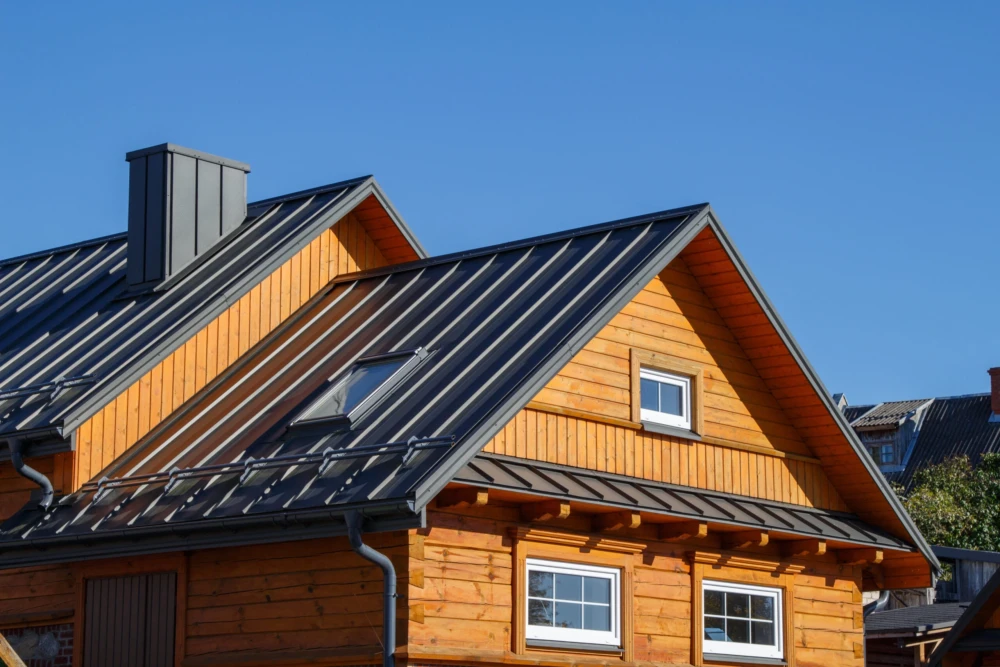
Chris ultimately selected a standing seam metal system in a dark bronze finish. The decision balanced long-term service life, aesthetic preference, and his acceptance of the higher upfront cost against the lower lifetime cost math.

The Preparation Phase: Permits, Materials, and Scheduling
Once materials were finalized, the preparation phase involved coordination that homeowners don’t typically see but that significantly affects project execution.
The specific preparation activities:
- Weld County permit application and approval processing
- Material ordering with specific attention to color-matched metal panels and matching accessories
- Lead time coordination since standing seam metal typically has longer lead times than asphalt shingle materials
- Crew scheduling for the specific installation window
- Equipment coordination including specialized metal roofing tools and safety equipment for a two-story installation
- Dumpster coordination for debris removal from the tear-off phase
- Weather monitoring affecting both tear-off timing and installation scheduling
- Chris’s preparation including moving outdoor items, protecting landscaping, and planning for the project disruption
For Chris’s situation, the preparation phase took approximately three weeks between finalized material selection and project start. The lead time was dominated by metal material delivery, which runs significantly longer than asphalt lead times at suppliers serving the Northern Colorado market.
For other Roggen property owners considering replacement projects, early planning accommodates these realistic lead times rather than discovering them during attempts to meet urgent deadlines. Projects started in July typically complete comfortably before winter. Projects started in September need careful scheduling. Projects started in October face increasing weather-timing risk.
The Execution Phase: Four Days of Actual Work
Chris’s replacement project executed across four working days with specific activities in each phase.
The specific day-by-day execution:
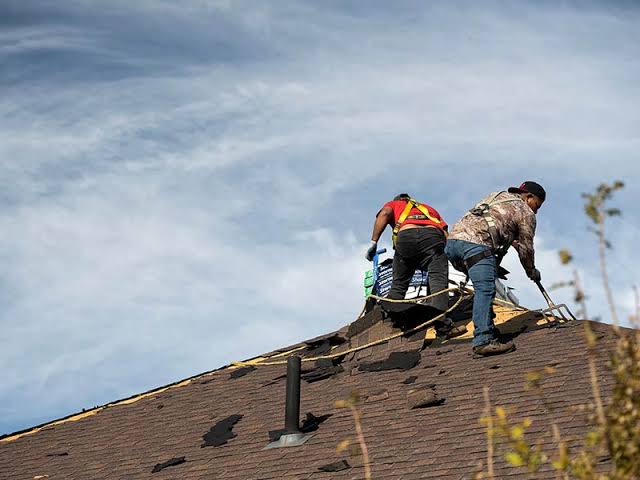
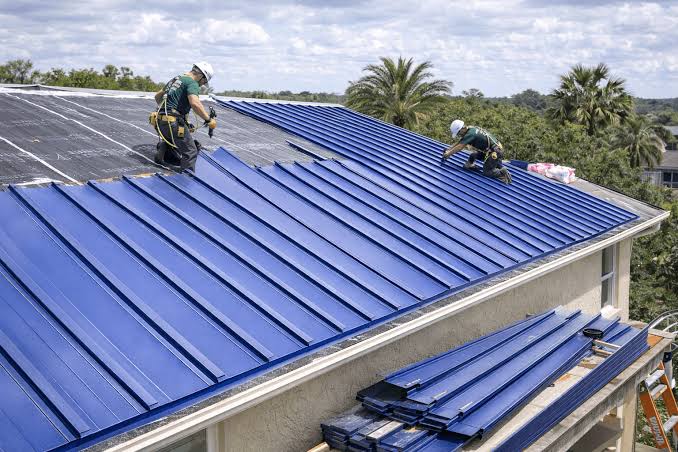
- Day 1 morning: Full tear-off of existing asphalt shingles, underlayment, and damaged flashing with crew of 6 technicians
- Day 1 afternoon: Deck inspection and repair at identified soft spots, synthetic underlayment installation
- Day 2 morning: Starter row installation, panel layout coordination, and ridge preparation
- Day 2 afternoon: Standing seam panel installation beginning on the main roof section
- Day 3: Continued panel installation across all roof planes with specific attention to valleys and penetrations
- Day 4 morning: Ridge cap installation, flashing details at chimney and vents, trim work completion
- Day 4 afternoon: Site cleanup, final inspection walk-through with Chris, documentation and warranty paperwork delivery
For Chris’s property, the four-day execution window required coordination with weather forecasts, since the tear-off exposes the underlayment to weather risk during the installation window. The specific September weather pattern we had cooperated with no significant precipitation during the four days.
For roof replacement projects at Roggen properties generally, the exposure window during execution is one of the factors affecting optimal project timing. Fall projects benefit from typically drier weather patterns than spring projects, which has to be balanced against the pre-winter deadline.
The Completion Phase: Documentation and Warranty
The final project phase addressed documentation, warranty establishment, and the transition from active project to completed property improvement.
The specific completion activities:
- Written completion documentation including scope executed, materials used, and work completed
- Photographic documentation of before, during, and completed work for insurance and property records
- Manufacturer warranty registration for the specific metal system installed
- Workmanship warranty documentation covering the installation itself
- Owner’s manual including maintenance recommendations for the specific metal system
- Final insurance coordination for any insurance-covered portion of the project
- Permit closure with Weld County including final inspection coordination
- Property owner briefing on what to monitor and when to call for any concerns
For Chris’s project, completion documentation included manufacturer warranty paperwork covering the metal panels for 40 years, workmanship warranty covering the installation for 10 years, and specific maintenance guidance for the standing seam system he’d selected.
For Roggen property owners generally, completion documentation becomes important both for immediate purposes and for future considerations including eventual property sale, insurance renewals, and warranty claims if any issues develop over the system’s service life. Keeping these documents organized and accessible produces meaningful value years after project completion.
What the Roggen Project Illustrated About High Plains Replacement
Chris’s roof replacement project illustrated several specific patterns that apply to similar Roggen properties facing replacement decisions.
The specific pattern observations:
- High Plains service life for asphalt shingles typically runs shorter than warranty ratings suggest due to wind, hail, and sun exposure
- Metal roofing economics often favor the material despite higher upfront costs when calculated across realistic service life
- Fall project timing balances typically favorable weather against pre-winter deadlines
- Lead time awareness for premium materials prevents last-minute scrambling during replacement decisions
- Preparation value significantly affects project execution smoothness
- Documentation importance supports both immediate purposes and long-term property interests
- Rural property considerations including workshop/outbuilding coordination, driveway access, and material staging space
- Weather pattern awareness affecting both exposure during execution and completed system performance
For Weld County property owners generally, Chris’s project reflects the typical experience of a well-planned replacement completed on reasonable timing. Projects that face problems typically trace to planning gaps or timing compressions rather than to the execution work itself.
What Chris’s Project Means for Roggen Property Owners
The roof replacement project at Chris’s property east of Roggen illustrated what a complete High Plains residential replacement looks like from initial assessment through final documentation. Age-driven replacement needs. Material decisions balancing performance and investment. Preparation accommodating realistic lead times. Four-day execution with appropriate weather coordination. Documentation supporting long-term property interests. Roggen property owners facing similar replacement decisions can expect similar project patterns, recognizing that specific details vary by property conditions, material selection, and seasonal timing. Chris finished his project in late September with the new standing seam system fully installed before his first serious weather in mid-October. The project went smoothly because it was planned carefully rather than rushed into execution. For every Weld County property owner facing roof replacement decisions, that same thoughtful planning consistently produces similar outcomes.
Get Roof Replacement Planning Started at Your Roggen Property
The team at Faithful Roofing and Contracting is ready to help. Contact us today to begin planning a roof replacement project at your Roggen, CO property with the High Plains experience, material selection expertise, realistic timeline planning, and complete project execution that produces results like the Highway 52 property shows.