
Here is why October is a critical month for roofing along the Gulf Coast:
- Post-Hurricane Season Inspections: Atlantic and Gulf hurricane season runs through November 30. October follows the most active summer months (August and September), meaning roofs have often sustained hidden wind shear, lifted shingles, or seal damage that requires immediate professional inspection and repair.
- Pre-Winter Rain Preparation: Late fall brings heavy frontal rain systems across the Gulf region. Fixing minor leaks, unsealed flashings, or damaged underlayment during October prevents major interior water intrusion during fall rainstorms.
- Fall Gutter Maintenance: October marks the start of heavy leaf drop from coastal oaks, pines, and hardwoods. Clearing clogged gutters and drainage systems is essential to keep water moving off the roof and away from fascia boards and foundations.
- Optimal Weather for Installation: With summer’s extreme heat and humidity subsiding, October offers ideal, safer working temperatures for full roof replacements and commercial repairs before winter arrives.
Why Do Minor Wind-Shear Fractures Cause Structural Damage After Tropical Storms?
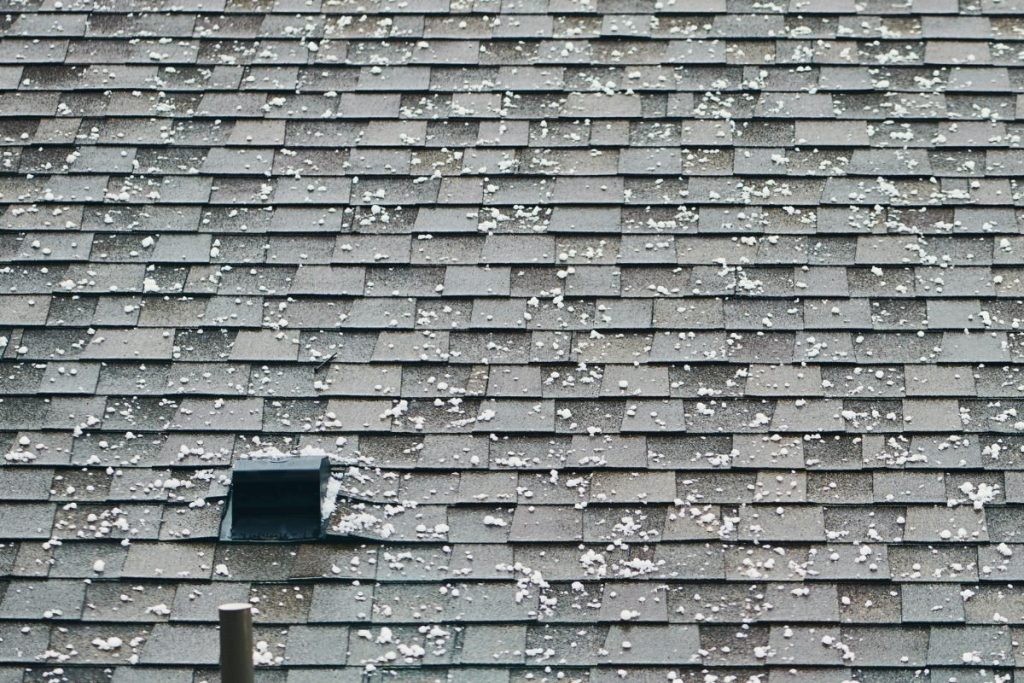
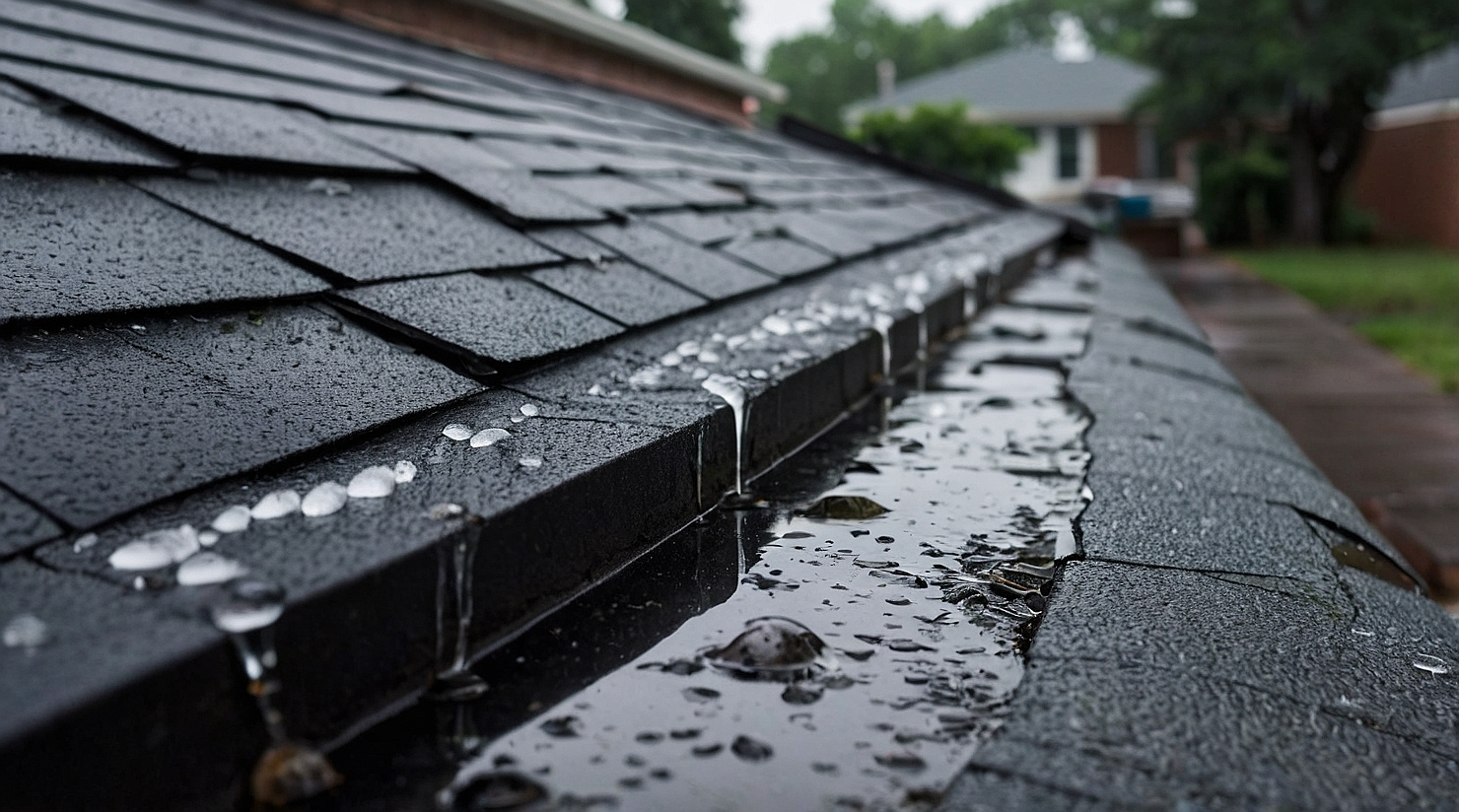
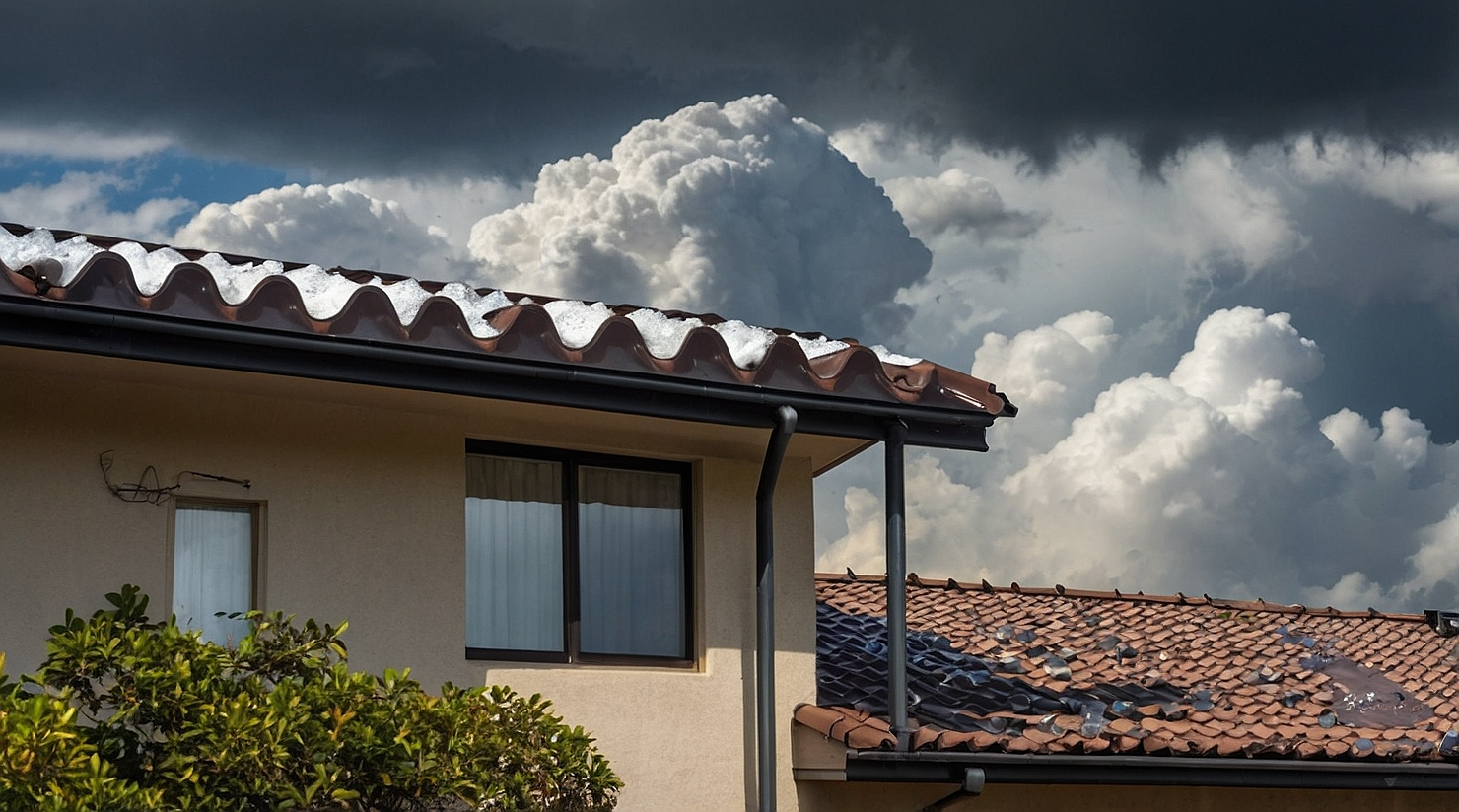
High-velocity wind gusts from late-summer tropical systems continuously lift shingle edges across coastal properties, weakening thermal adhesive bonds and creating microscopic seal ruptures. When heavy autumn downpours strike the structure, wind-driven moisture slips beneath compromised shingle courses, rapidly saturating internal underlayment materials. Continuous exposure to humid coastal air accelerates hidden timber decay beneath the surface, allowing moisture to seep downward toward ceiling joists, wall framing, and primary living spaces.
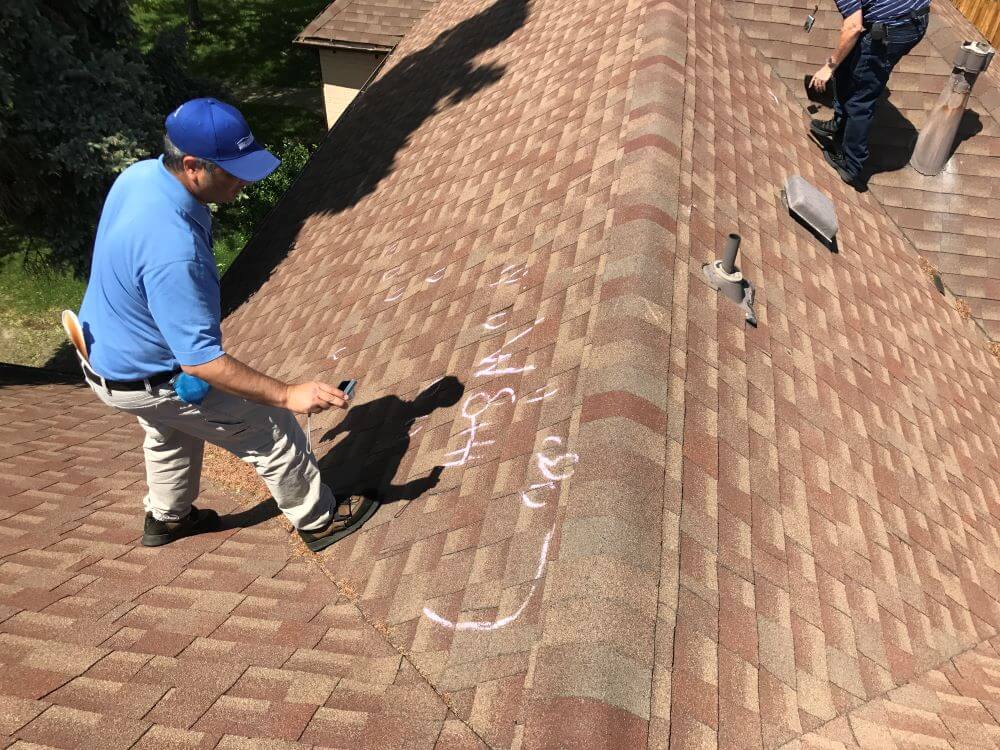
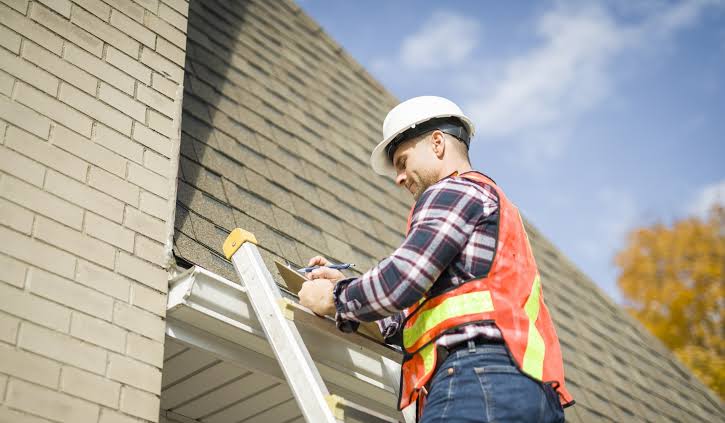
A thorough post-storm evaluation uses digital diagnostic tools to detect invisible structural moisture. Working from a ladder, a technician uses a moisture meter and tablet to log hidden water pockets under the shingles before rot spreads into ceiling framing.
How Does Postponing a Professional Roof Assessment Create Interior Liabilities?
Property owners frequently overlook early signs of storm distress because structural decay rarely manifests on interior drywall during its initial stages. Delaying a thorough roof inspection after the peak of tropical storm season leaves unsealed flashings around chimneys, pipe boots, sidewalls, and roof valleys vulnerable to incoming weather shifts. Heavy late-autumn rainfall events push standing water directly against unverified penetration points, forcing liquid upward underneath unsealed asphalt courses through capillary action.
When storm moisture enters structural cavities through unverified flashing gaps, frame decay spreads quickly into internal rafters, roof trusses, and load-bearing wall studs. This continuous water intrusion weakens major structural components right when the property needs complete weather resistance against incoming seasonal cold fronts and severe rain events. Conducting a detailed professional assessment pinpoints loose seals, lifted tabs, and deteriorating flashing materials before severe weather arrives. Identifying these vulnerabilities early fulfills the obligation of maintaining the structural safety, legal habitability, and long-term monetary value of the building.
What Role Does Routine Drainage Clearing Play in Preventing Water Backup?
Autumn leaf drop from regional coastal oaks, pines, and hardwoods rapidly fills perimeter collection channels, completely obstructing the natural flow of stormwater off the roofline. Clogged gutters prevent heavy tropical rainfall from draining freely into downspouts, forcing standing water to pool along lower eave edges where moisture infiltration occurs most rapidly. As heavy rain falls on blocked drainage channels, standing water backs up underneath the lowest shingle edges, accelerating rot along structural eaves and rafters.
Trapped water behind clogged channels saturates wooden soffit boards, ruins exterior paint coats, and eventually leaks down internal wall cavities, destroying electrical wiring and interior finishes. Routine clearing of perimeter collection channels coupled with proactive roof maintenance ensures stormwater moves off the structure efficiently without obstruction. Keeping these drainage paths completely clear prevents heavy water accumulation from threatening structural stability during seasonal weather shifts and sudden coastal cloudbursts.
Why Is Upgrading an Aging Overhead Barrier Before Late-Fall Fronts Necessary?
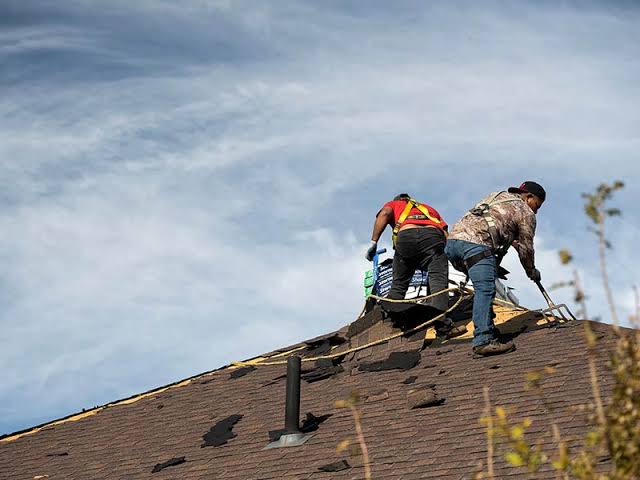
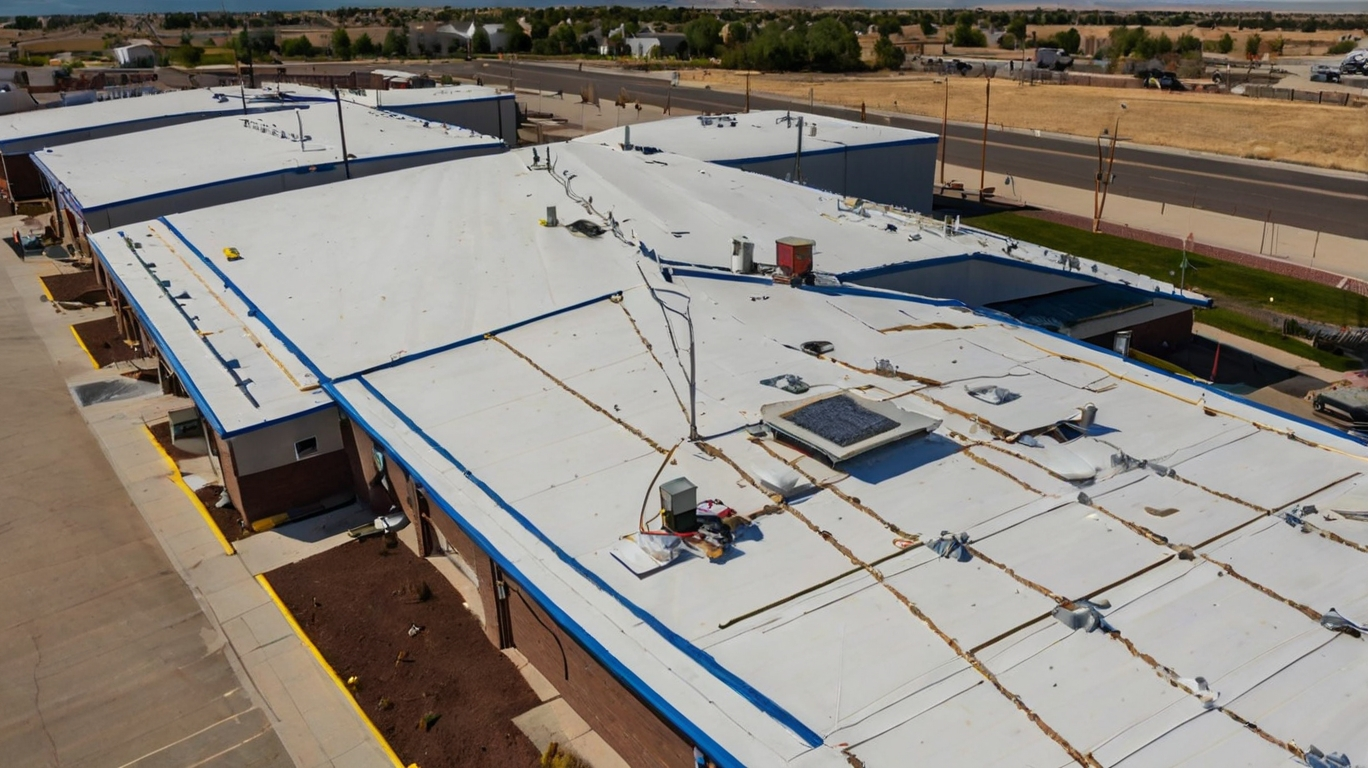
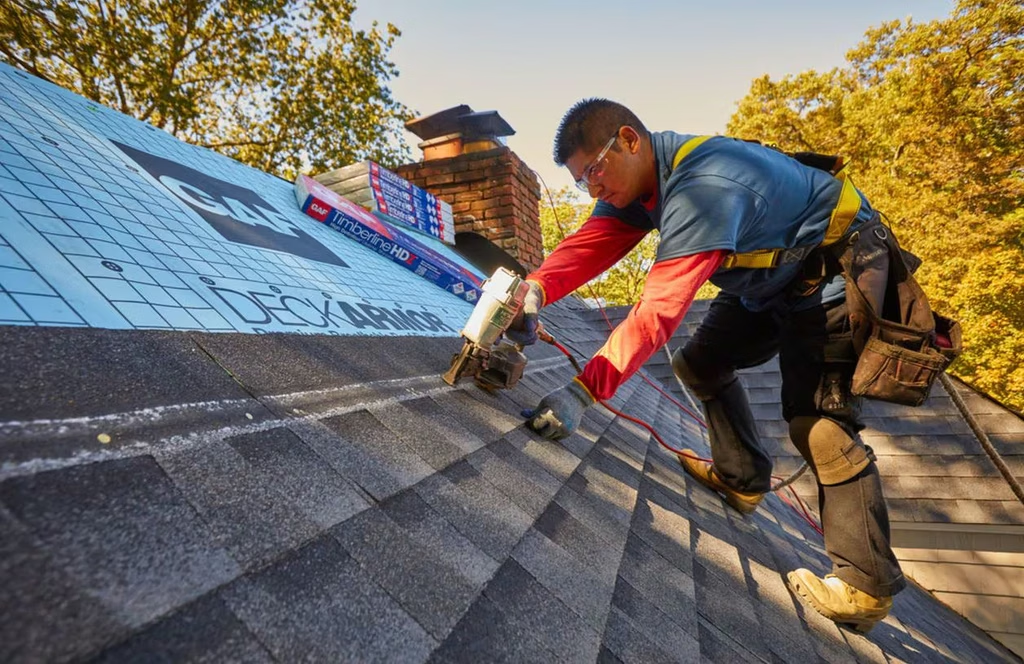
An aging roof loses flexibility and surface granules under extreme heat, leaving brittle shingles vulnerable to high winds, severe leaks, and deck saturation. Upgrading through a residential roofing or commercial roofing replacement, or a multifamily restoration, replaces rotted decking with fresh, water-resistant underlayment before severe winter rain hits.
Bay Minette and Gulf Coast property owners depend on reliable, specialized care to preserve structural integrity and protect local investments through every seasonal storm transition. Faithful Roofing and Contracting provides the technical expertise and dedicated local service required to safeguard residential and commercial properties across Baldwin County. For property owners ready to eliminate moisture risks and elevate long-term protection, contact our local specialists to secure your building today!