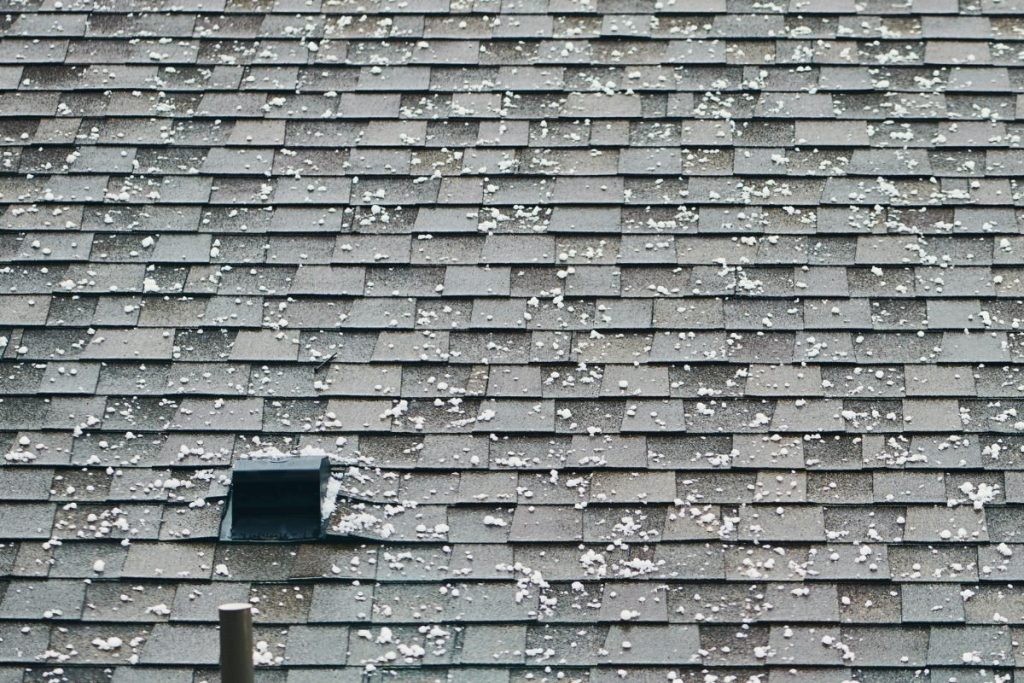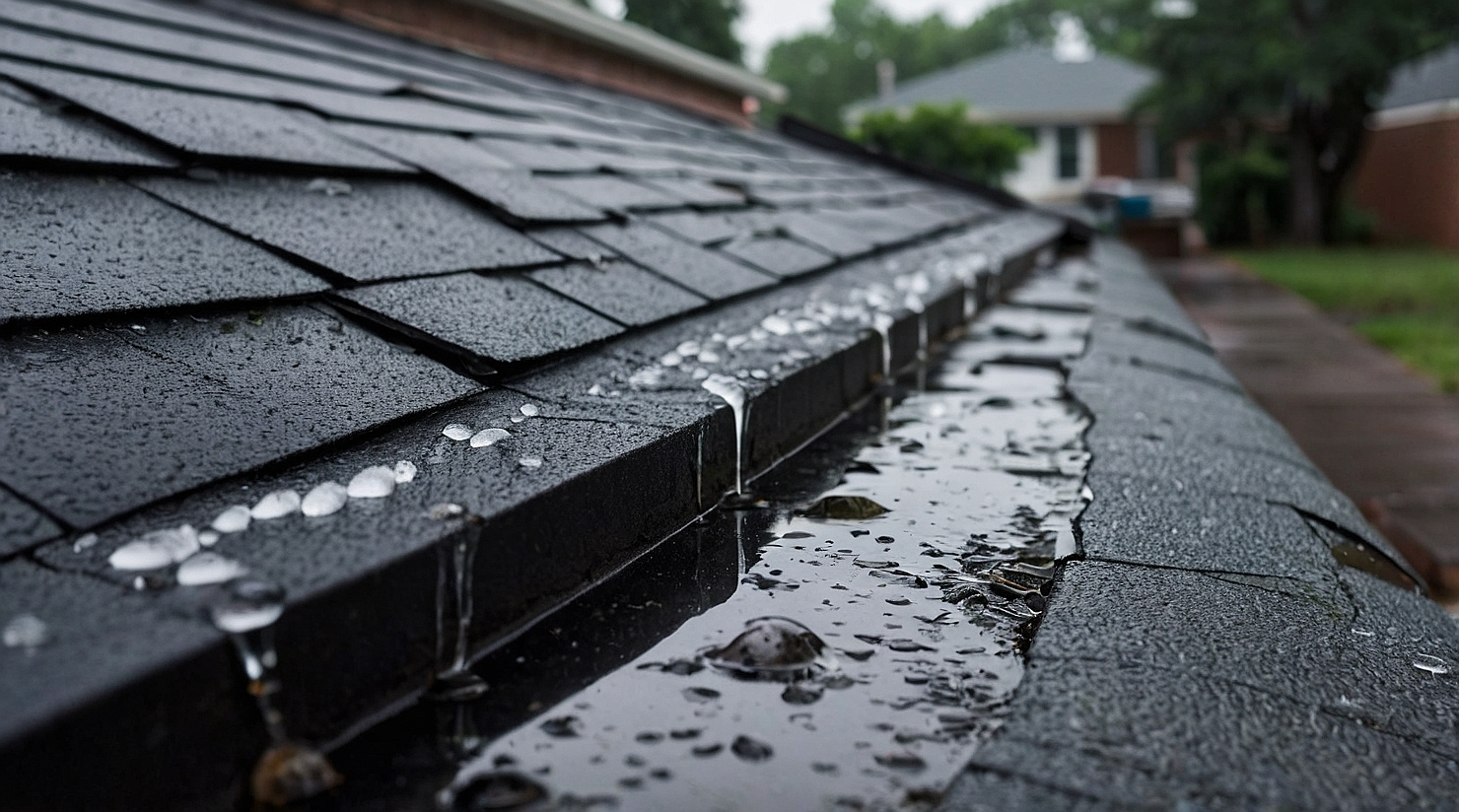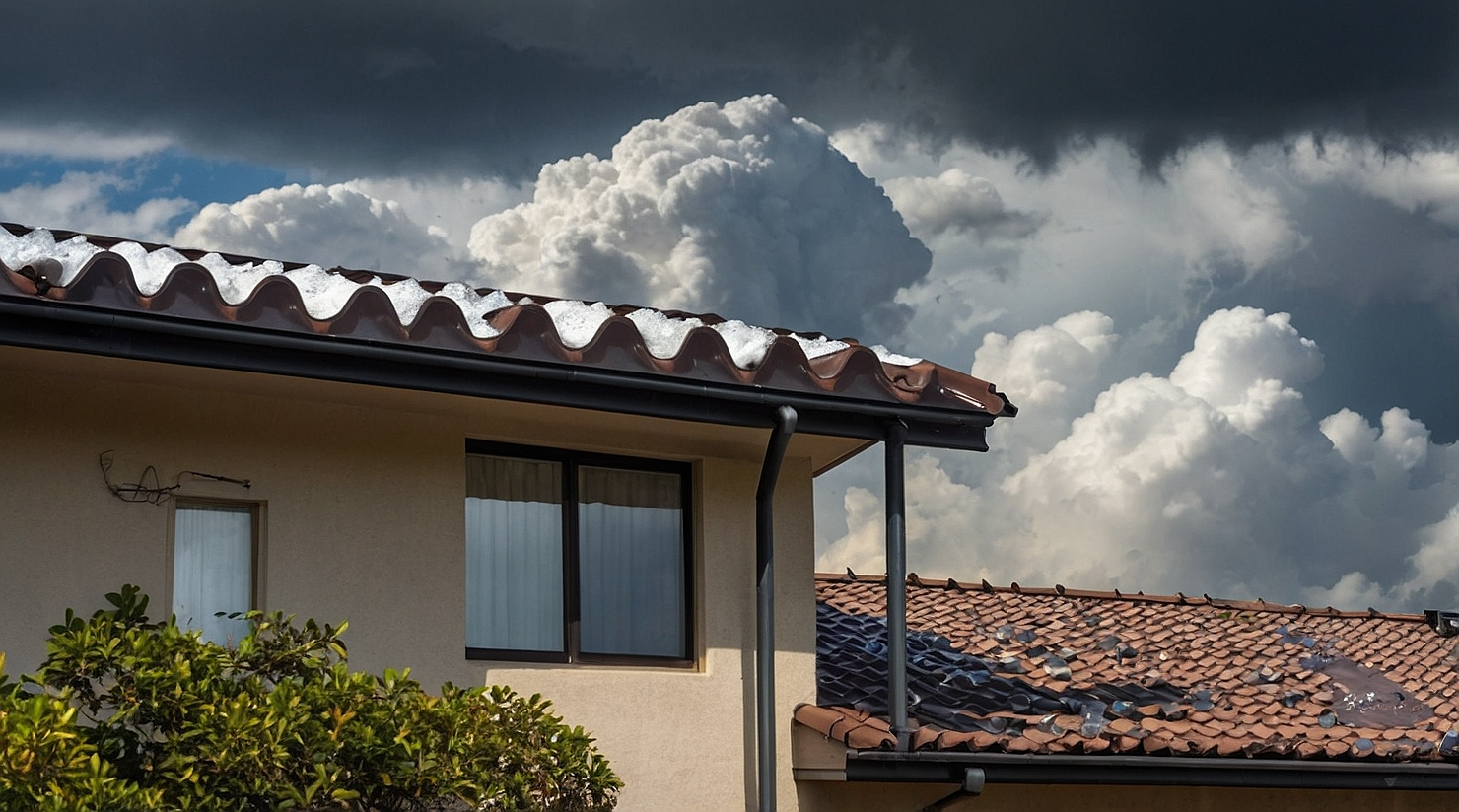

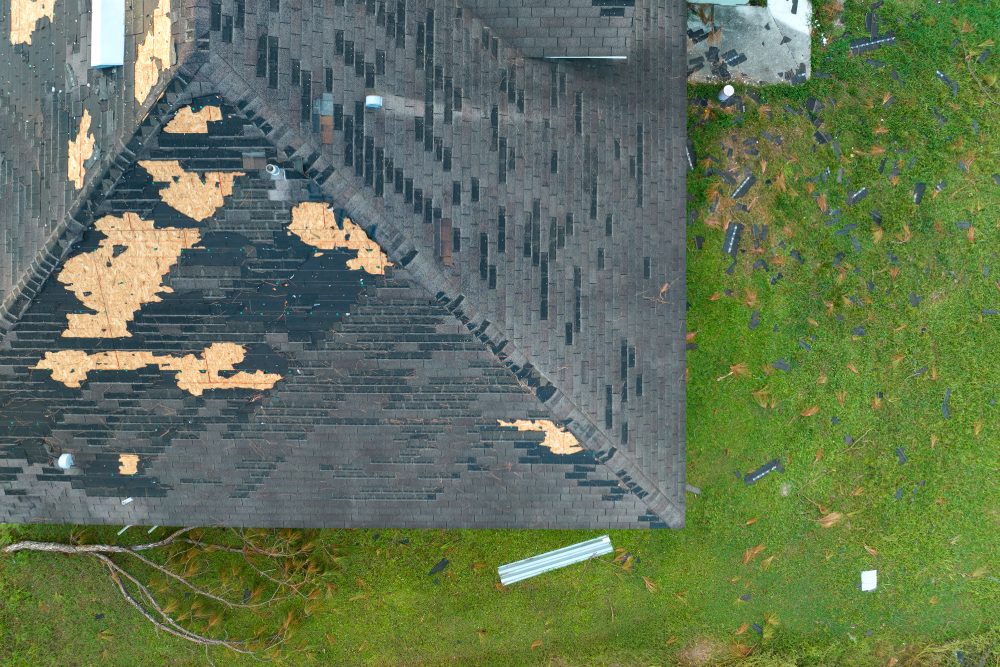
A homeowner off 10th Street called us at 9:47 p.m. on a Sunday in April last year with the same opening line we hear constantly: “I don’t know if this is actually an emergency.” Her roof had sustained damage during an afternoon hailstorm, water was now coming through her upstairs ceiling in two spots, and she couldn’t tell whether what she was looking at could wait until Monday morning or whether something needed to happen tonight. The questions she asked over the next 15 minutes were essentially the questions every Northern Colorado homeowner asks when facing possible roof emergencies. Here are the emergency roof repair questions answered honestly, based on what we actually see across Greeley properties year after year.
What Actually Qualifies as a Roof Emergency?
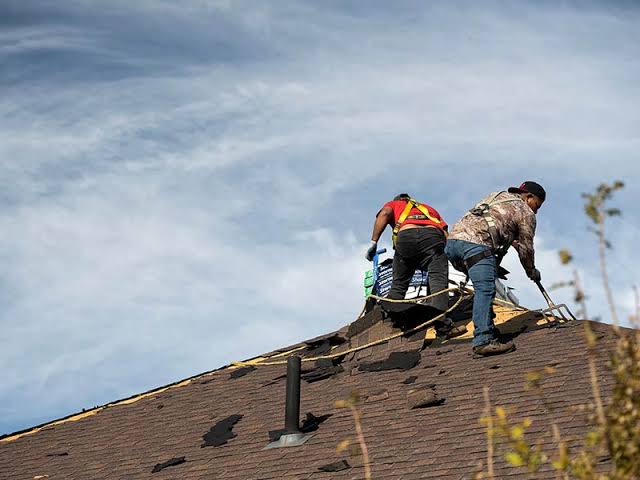
A roof emergency involves active water intrusion, structural compromise, or imminent risk of either. The specific conditions that qualify include water currently coming into the home through the roof, visible structural damage like sagging or collapse, significant storm damage with exposed roof deck, large sections of missing or damaged roofing material, and tree impact damage that compromises the roof envelope.
Conditions that don’t typically qualify as emergencies include minor shingle damage that isn’t producing active leaks, visible wear or aging that hasn’t resulted in failure, small storm damage with no interior effects, and routine maintenance items that have been developing over time. These situations warrant attention but can usually wait until regular business hours.
For the 10th Street homeowner, her situation qualified. Active water intrusion through her ceiling placed her situation in the emergency category requiring response that night rather than the next morning.
Should I Try to Stop the Water Myself?
For active water intrusion during a roof emergency, specific temporary measures can reduce damage while professional response is arranged. The appropriate immediate steps include placing buckets under active drip locations, moving valuables and electronics away from affected areas, poking a small hole in any bulging ceiling to allow controlled drainage, taking photographs for insurance documentation, and shutting off electricity to affected areas if water is contacting electrical fixtures.
What you shouldn’t do during active roof emergencies includes attempting to access the roof during storms or at night, climbing on wet or damaged roof surfaces, applying DIY sealants or patches during active weather, and ignoring the situation hoping it resolves.
For Greeley homeowners facing emergency situations, the temporary measures buy time for proper response but don’t substitute for professional emergency roof repair response. The gap between temporary measures and professional response determines total damage scope.

How Fast Should a Legitimate Emergency Roof Repair Service Respond?
Response time for genuine emergency roof repair varies by weather conditions, time of day, and current call volume, but legitimate operations typically arrive within specific windows. For active emergencies during daytime hours, response within 2 to 4 hours is typical. For nighttime emergencies, response within the next morning is typical unless the situation involves structural concerns requiring immediate attention. For severe weather emergencies affecting multiple properties, response may extend based on triage of the most urgent situations.
What should raise concerns about response commitments includes operations promising specific short response times without assessing your situation first, operations that aren’t local to Northern Colorado but claim emergency response capability, operations requiring signed commitments before dispatching anyone, and operations whose response times vary wildly between quotes.
For Greeley property owners, the local Weld County contractor base generally responds faster than operations working from Denver or more distant areas. Verifying local operating presence affects actual response capability.
What Will Emergency Response Actually Cost?
Emergency roof repair pricing varies based on scope, timing, and specific situations, but typical ranges exist for different scenarios. Emergency temporary repairs including tarping, immediate leak stoppage, and basic damage containment typically run $400 to $1,200. Nighttime or weekend emergency service premiums typically add 50% to 100% to standard rates. Major emergency repairs addressing significant damage can run $2,500 to $15,000+ depending on scope.
Insurance coverage significantly affects actual out-of-pocket costs for storm-related emergencies. Most Northern Colorado homeowner policies cover sudden storm damage including hail, wind, and tree impact after deductibles. Pre-existing damage and gradual deterioration typically aren’t covered.
For legitimate roof repair response, pricing is typically transparent even during emergencies. Operations that resist pricing discussion, won’t provide written estimates for emergency work, or require commitment before pricing is clear often signal problems.
Should I Call My Insurance Company Before or After the Repair?
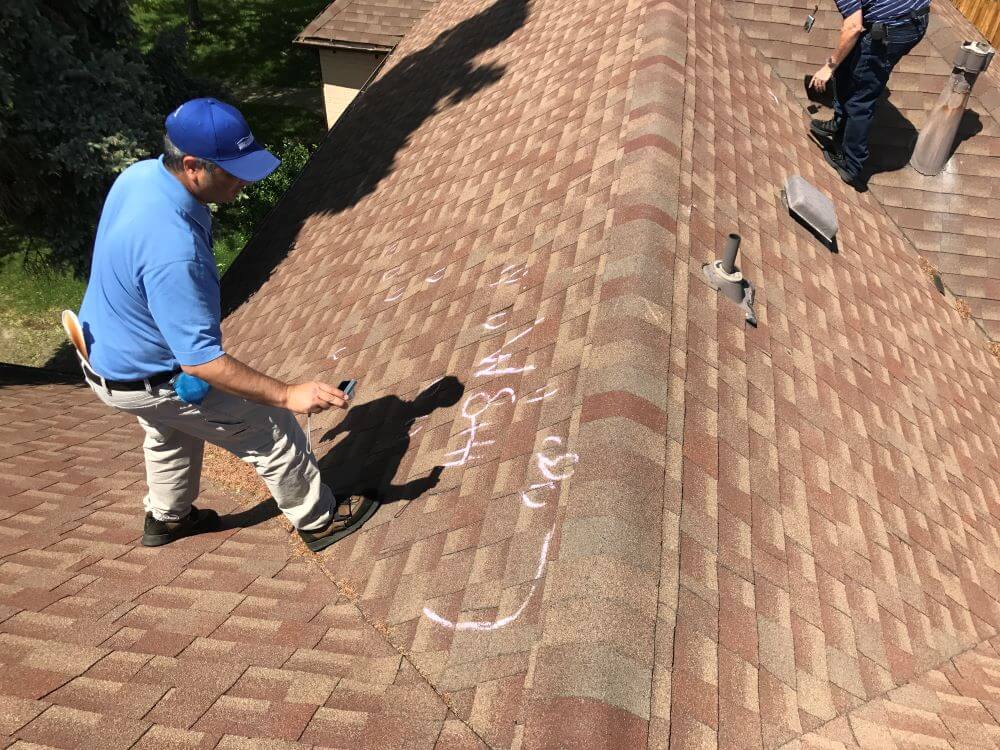
For most roof emergency situations in Greeley, calling insurance within the first 24 hours of discovering damage is appropriate for both immediate response coordination and claim processing. The specific sequence that typically produces best outcomes includes documenting damage with photographs before any repair work, calling emergency repair services for immediate damage containment, calling your insurance carrier to report the claim and establish the claim number, coordinating subsequent repair work through the insurance claim process, and maintaining documentation throughout the project.
Emergency temporary repairs can proceed before insurance adjuster inspection in most cases. Insurance companies generally expect property owners to take reasonable mitigation steps, including emergency temporary repairs, to prevent damage from worsening. The receipts and documentation from emergency response become part of the claim rather than separate costs.
For Northern Colorado property owners specifically, the Colorado insurance environment has become selective about hail claims. Documentation quality from the emergency response phase affects claim outcomes significantly.
Will Water Damage Spread Even After the Roof Is Fixed?
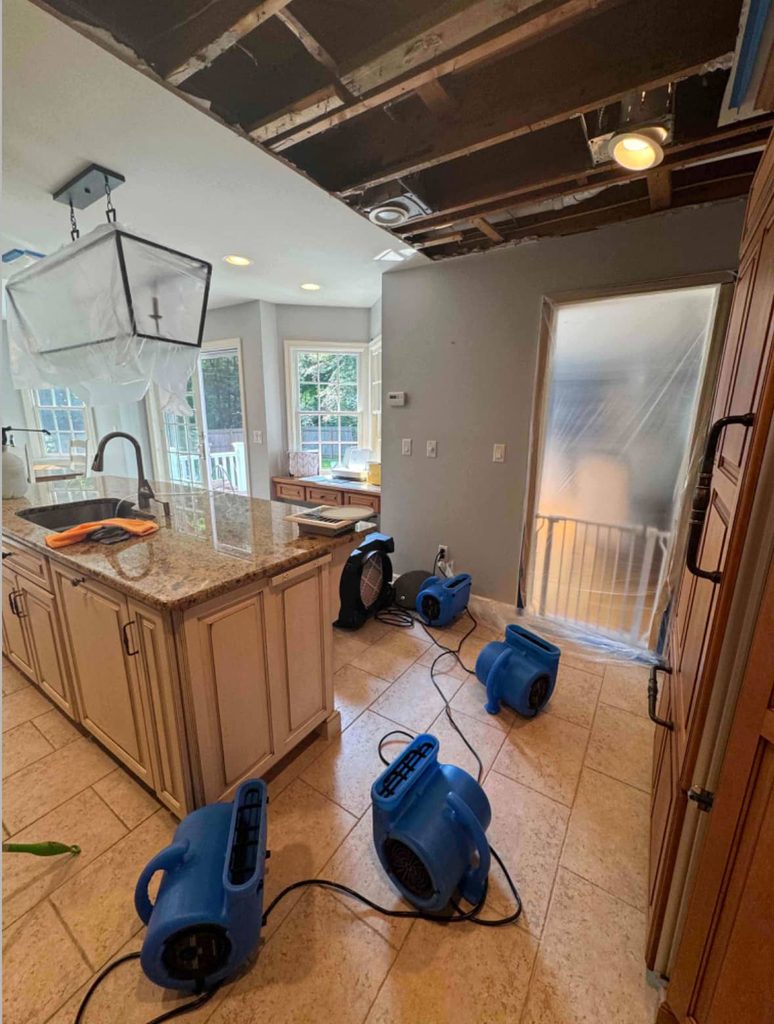
Yes, water that has already entered the building continues producing damage even after the roof source is repaired. The specific concerns include moisture absorbed into insulation, drywall, framing, and other materials, mold development conditions in affected wall and ceiling cavities, structural damage from sustained moisture exposure, and secondary damage affecting electrical, HVAC, or other building systems.
For emergency roof repair situations where water has entered the home, coordinated response addressing both the roof source and the interior water damage produces much better outcomes than addressing only the roof. The interior drying work typically runs parallel with or follows the roof repair work.
For the 10th Street homeowner, her emergency response that Sunday night included tarping the damaged roof section to stop additional water intrusion. The following week, interior water damage work addressed the drywall, insulation, and ceiling damage that the initial water intrusion had produced. The two phases of work ran coordinated through her insurance claim.
What Should I Look For in an Emergency Roof Repair Contractor?
Specific credentials and characteristics distinguish legitimate emergency roof repair operations from problem operations that often appear during storm response windows. The specific items to verify include Colorado contractor licensing through the state licensing database, verifiable local physical address in Northern Colorado, insurance coverage certificates from the actual carrier, substantial Google review history over multiple years, local community presence and references, specific emergency response capability rather than general promises, and transparent pricing practices.
The warning signs that should end consideration include door-knock solicitation after storm events, pressure to sign commitments during emergencies, requirements for assignment of benefits paperwork, inability to verify credentials through independent sources, pricing significantly below legitimate market range, and operations without verifiable local Northern Colorado history.
For Greeley property owners facing emergency decisions, the brief verification steps during emergencies produce much better long-term outcomes than defaulting to whichever contractor responded first. The time required for basic verification is minutes rather than hours.
When Can Emergency Repairs Wait Until Morning?
Not every situation that feels like an emergency actually requires nighttime response. The specific conditions that typically allow waiting until morning include small leaks that have been contained with buckets, minor storm damage without active water intrusion, visible damage without immediate structural concerns, and situations where temporary measures are adequately managing the immediate problem.
The specific conditions requiring immediate response regardless of time include active significant water intrusion that temporary measures can’t contain, structural concerns including sagging or potential collapse, electrical safety issues from water contacting fixtures, exposed roof areas during ongoing severe weather, and tree impact damage with potential for continued movement.
For the 10th Street homeowner, her situation required immediate response because active water intrusion was continuing despite her temporary measures. Had the water intrusion been contained to a slow drip her buckets could manage, her situation could have waited until morning for assessment and response.
What Preventive Steps Reduce Emergency Risk?
Beyond emergency response, specific preventive practices reduce the likelihood of needing emergency repairs. The specific preventive steps include annual professional roof inspection typically scheduled in spring after Colorado hail season or fall before winter weather, prompt attention to any identified issues before they progress, gutter and drainage maintenance preventing water management problems, tree management addressing branches that could impact the roof, and attic ventilation verification affecting ice damming risk.
For Northern Colorado properties specifically, the hail belt location, significant wind exposure, and winter weather patterns combine to produce higher emergency risk than milder climates. Properties that receive regular inspection and prompt maintenance consistently experience fewer emergencies than properties on reactive maintenance schedules.
For the Greeley property market generally, the preventive maintenance cost across a year typically runs a small fraction of what a single emergency repair situation costs. The economics favor prevention substantially.
What Emergency Roof Repair Decisions Actually Reduce To
The emergency roof repair questions answered here reflect the specific concerns Greeley property owners face when roof situations develop. Qualifying what counts as an emergency. Appropriate temporary measures. Response time expectations. Realistic pricing. Insurance coordination. Water damage spread. Contractor evaluation. When waiting until morning is appropriate. Preventive practices that reduce emergency likelihood. Property owners who understand these dimensions make better decisions during emergency situations than property owners defaulting to the first available option. The 10th Street homeowner’s situation got resolved favorably because she asked the right questions and acted on reasonable answers. For every Greeley property owner facing possible emergency roof repair decisions, the same thoughtful approach consistently produces better outcomes than reactive panic or inappropriate delay.
Get Emergency Roof Repair Response at Your Greeley Property
The team at Faithful Roofing and Contracting is ready to help. Contact us today for professional emergency roof repair response at your Greeley, CO property with the local Northern Colorado experience, verified credentials, transparent pricing, and coordinated response capability that genuine roof emergencies require.