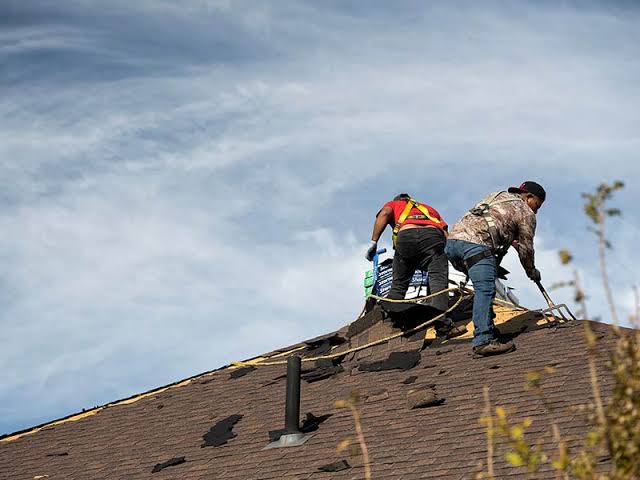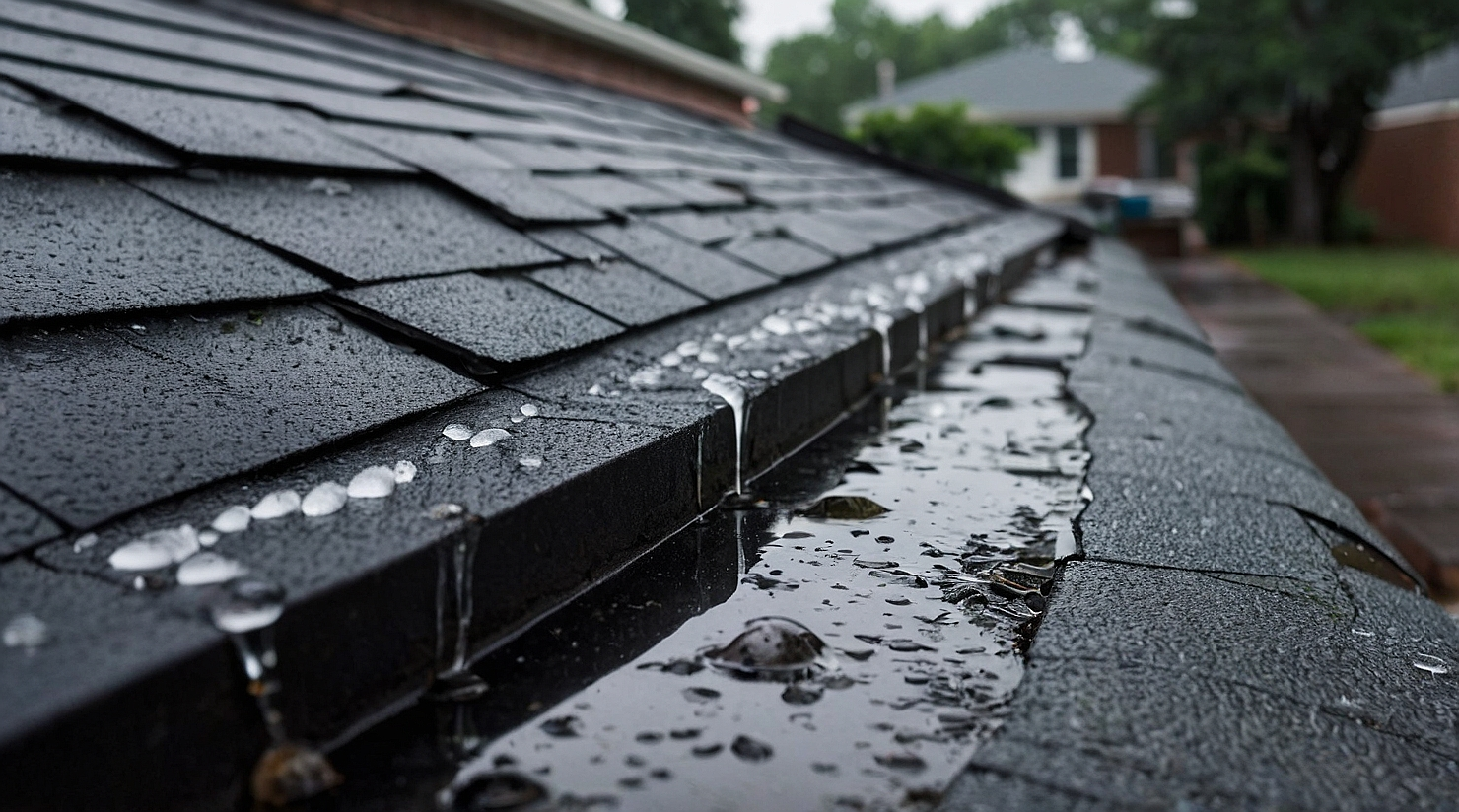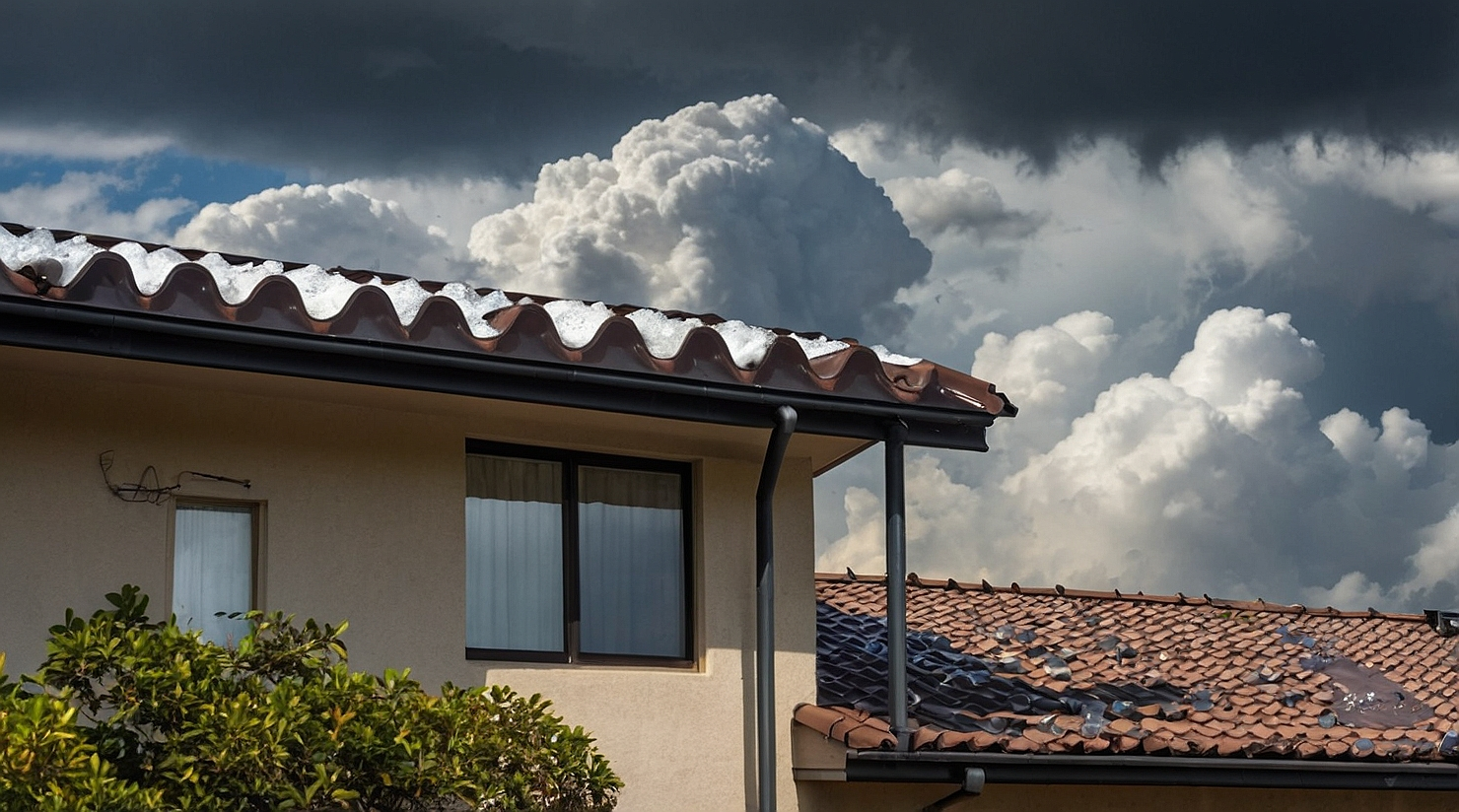

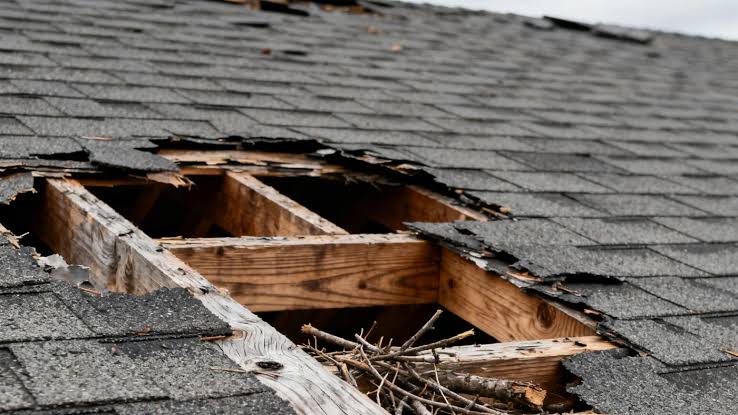
A homeowner off 47th Avenue in Greeley called us the second week of October last year with a specific question: could the missing shingles she’d noticed after a September wind event wait until March? Her thinking was reasonable enough. Winter was coming. Contractor schedules were tightening. She’d rather deal with it during better weather. What she hadn’t thought about was what would happen to the exposed underlayment during five months of Colorado freeze-thaw cycling, wind events, and periodic snowmelt. By the following March, her small missing-shingle situation had become significant water damage to her attic decking, insulation, and part of her upstairs ceiling. The roof repair vs waiting until spring decision looks different in Northern Colorado than it does in milder climates, and understanding what actually happens during those five deferred months changes the math significantly.
What Winter Actually Does to a Compromised Roof
Colorado winter isn’t gentle on roofing systems that are already compromised. The specific stressors compound in ways that turn small problems into significantly larger ones over the December through February window.
The specific mechanisms:
- Freeze-thaw cycling happens 30 to 60 times across a typical Northern Colorado winter, with each cycle expanding water inside cracks, seams, and small openings. What starts as a hairline separation in November can be a meaningful gap by March.
- Ice dam formation at eaves and valleys occurs when heat loss from the attic melts snow that refreezes at the colder roof edge. Ice dams push water backward under shingles, exploiting any existing weakness in the roofing system.
- Snow load stresses compromised areas of the roof more than intact areas. Damaged shingles, weakened flashing, and existing leak points all become worse under sustained snow weight.
- Chinook wind events produce dry warm winds exceeding 60 mph, which lift compromised shingles, break existing sealant bonds, and expand small damage patterns significantly.
- Snowmelt intrusion during warm winter days sends water through damage points at pressure the same damage wouldn’t experience during rain events.
- Extreme temperature swings stress materials in ways that mild-climate winters don’t produce.
For roofs entering winter with any known damage, these mechanisms typically expand the damage 40 to 100 percent by spring compared to what the situation looked like in October. The 47th Avenue homeowner’s small missing-shingle situation ended up costing her approximately $6,800 in spring repairs. The fall repair would have run around $650.
What Genuinely Can Wait Until Spring
Not every roof issue warrants immediate response. Some situations legitimately can defer to spring without producing significant additional damage. Understanding which category your specific situation falls into is what makes the decision informed rather than reactive.
The specific situations that can typically wait:
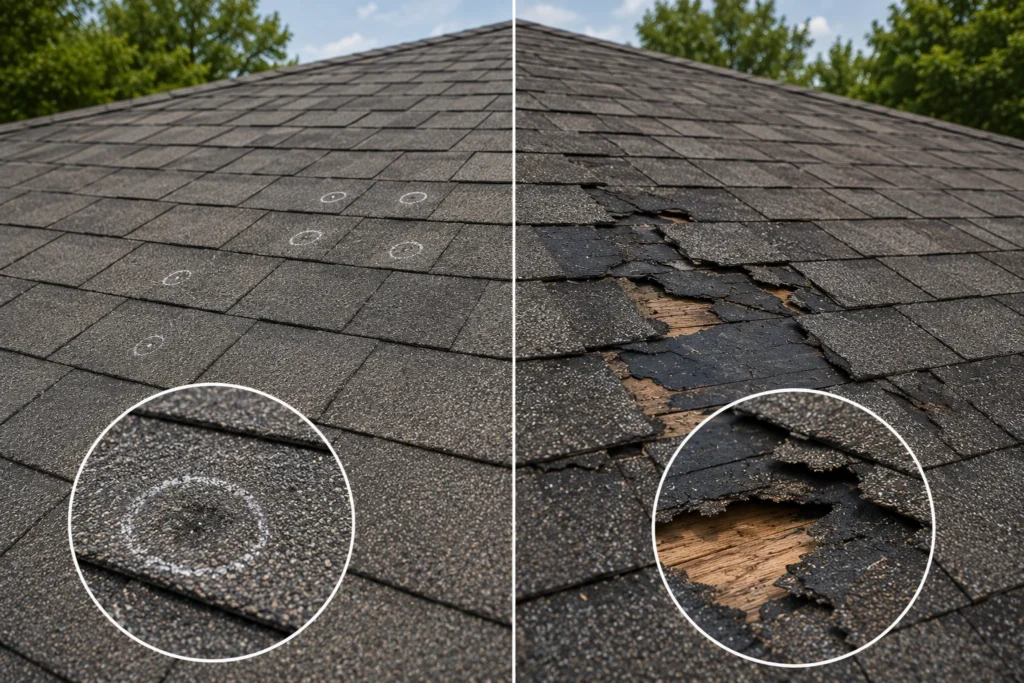
- Cosmetic aging including granule loss without exposed underlayment, minor discoloration, or general weathering without functional damage
- Non-critical gutter issues that aren’t producing water backup or ice dam conditions
- Attic ventilation improvements that would be beneficial but aren’t producing active problems
- Preventive maintenance on a roof that isn’t showing active damage indicators
- Minor flashing sealant renewal where the flashing itself is intact and the sealant just shows age
- Solar or ventilation upgrades that don’t affect the current weather barrier
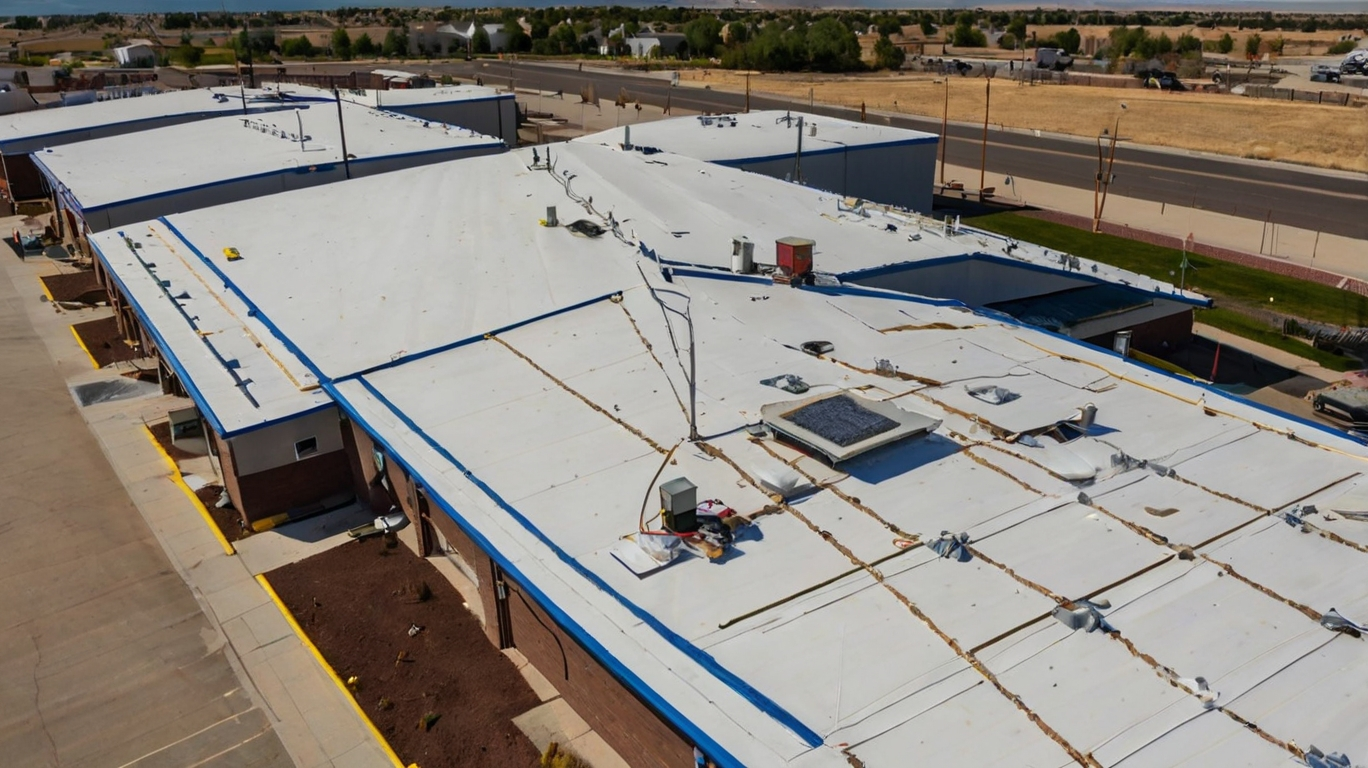
- Full roof replacement planning for a roof that’s aging but currently keeping water out
For these situations, spring scheduling produces better contractor availability, better weather conditions for the work, and potentially better material access. The homeowner isn’t accepting significant risk by deferring.
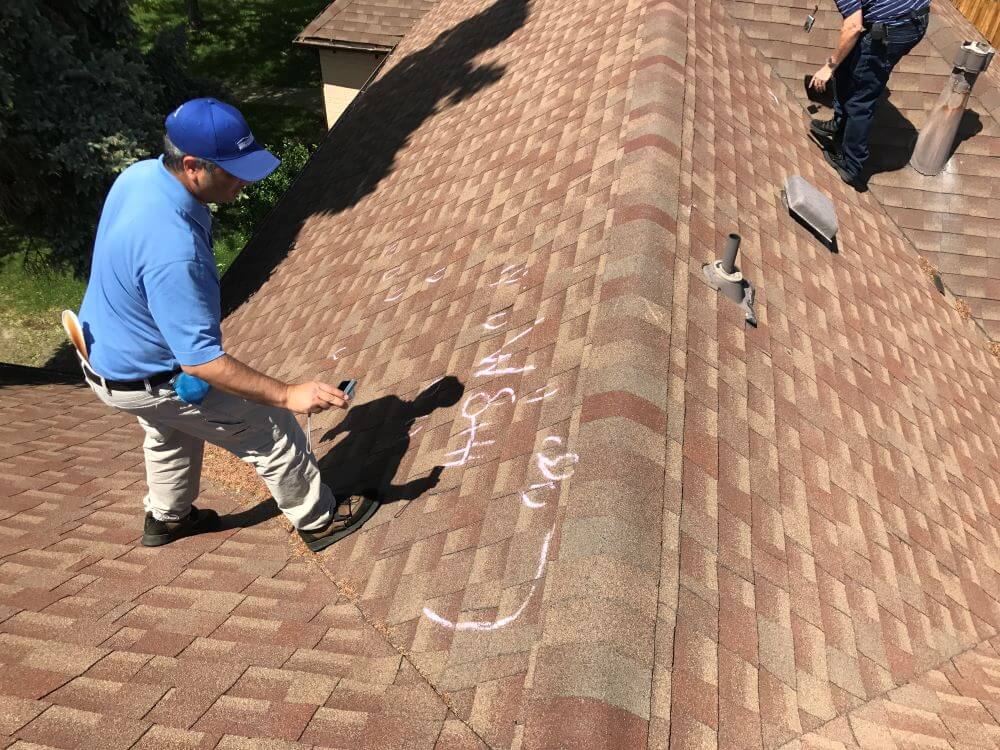
For Greeley homeowners in this category, spring scheduling starts in March and typically has good availability through May before the summer storm season concentrates demand. A professional roof inspection in October or November confirms whether your specific situation actually fits this category or whether it belongs in the next one.
What Genuinely Cannot Wait
The situations that don’t wait through Colorado winter are specific and identifiable. Any of these indicators warrants prompt roof repair rather than deferral to spring.
The specific situations that require prompt response:
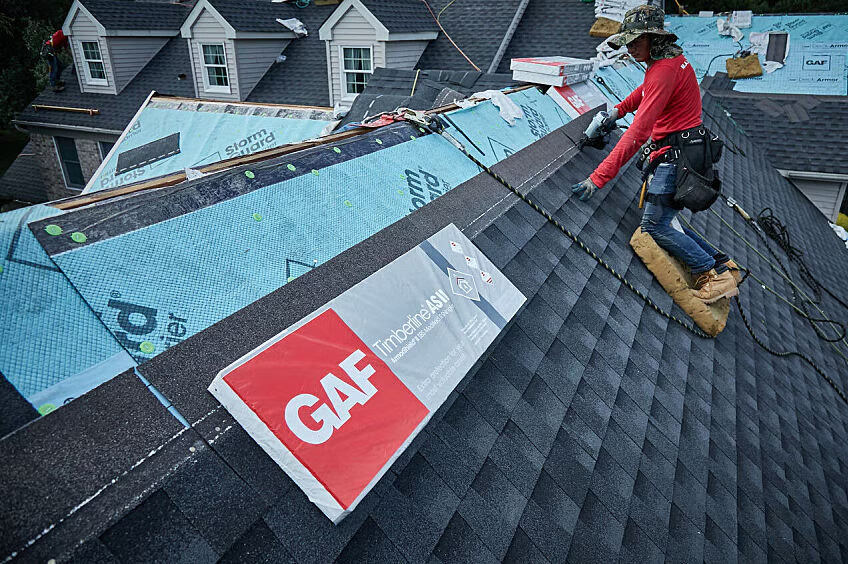
- Missing shingles anywhere on the roof, since exposed underlayment degrades quickly under winter conditions
- Visible underlayment or roof deck in any area regardless of size
- Active leaks or water intrusion inside the property
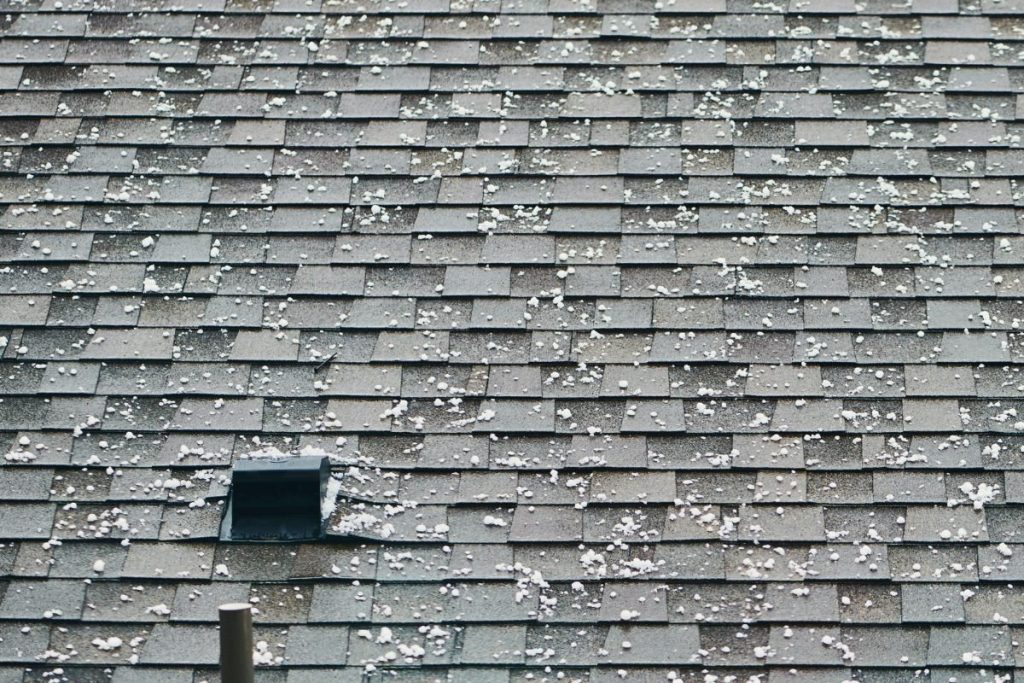
- Storm damage from any recent weather event including hail, wind, or debris impact
- Compromised flashing at chimneys, skylights, valleys, or roof penetrations
- Damaged or missing ridge cap which is highly exposed to winter wind stress
- Ice damming symptoms from previous winters that weren’t addressed
- Sagging areas in the roof deck that indicate structural moisture damage
- Visible daylight through the roof deck when viewed from the attic
- Pest damage at roof penetrations or edges that has created access points
- Failed pipe boots or other penetration components showing cracks or separations
For any of these situations, waiting through winter reliably produces additional damage. The compounding math favors immediate response over deferral, even accounting for the modest cost premium of scheduling work as winter approaches.
For homeowners with storm damage specifically, insurance claim documentation windows are also affected by timing. Damage that worsens between initial assessment and repair can complicate claims. Prompt response following storm events supports cleaner insurance outcomes.
The Contractor Availability Reality
Beyond the physical damage considerations, the practical reality of roofing contractor availability in Northern Colorado shifts significantly through the fall-to-winter transition.
The specific timing patterns:
- September and early October typically have good availability with reasonable weather conditions for the work
- Late October through mid-November starts showing tightening availability as contractors handle the pre-winter rush
- Late November through February produces limited availability, with most contractors handling emergencies rather than routine repairs
- March and April see contractor schedules opening up again but with high demand from deferred winter projects
- May through August hits peak demand from insurance work following spring storm season
The homeowner who calls in early October has meaningful choices. The homeowner who calls in December often faces emergency-only availability with premium pricing. The homeowner who calls in March joins a substantial queue of deferred projects competing for the same contractor time.
For Greeley homeowners considering the repair-versus-wait decision, the practical scheduling reality often favors acting sooner rather than later even when the specific damage might technically wait. Getting on the schedule while options remain workable produces better outcomes than accepting whatever spring availability turns out to be.
The Insurance and Documentation Dimension
Northern Colorado’s insurance environment adds one more dimension to the repair-versus-wait decision that homeowners often overlook.
The specific insurance considerations:
- Documented damage that worsens between assessment and repair can affect claim outcomes, with carriers sometimes arguing the expansion was preventable
- New damage from winter events on already-damaged roofs may complicate coverage since the pre-existing condition affects the claim
- Storm damage claim windows typically become harder to establish as time passes between the storm event and the repair
- Mitigation obligations under most homeowner policies require prompt response to prevent additional damage
- Depreciation recovery windows for actual cash value settlements often have deadlines that winter deferral can complicate
- Multiple carrier changes during Colorado’s restrictive insurance environment can affect coverage on damage that spans policy periods
For homeowners with known damage that they’re considering deferring, checking with their insurance carrier about the specific implications of that deferral produces information that affects the decision. Some situations that could technically wait become better candidates for immediate repair once the insurance dimension is understood.
The Math That Actually Applies to Northern Colorado
The roof repair vs waiting until spring decision comes down to whether the specific situation belongs in the “can wait” category or the “cannot wait” category, weighted by the contractor availability reality and the insurance implications. For situations that genuinely can wait, spring scheduling produces reasonable outcomes. For situations that cannot wait, the deferral produces reliably worse outcomes than acting now. Northern Colorado’s specific winter conditions expand damage in ways that mild-climate winters don’t, which shifts more situations into the “cannot wait” category than homeowners typically assume. The 47th Avenue homeowner’s $650 fall repair versus her $6,800 spring repair reflects the pattern that shows up over and over. Getting the assessment done before the winter deferral decision is what makes the choice informed. Making the choice without that assessment is what produces the spring bills nobody planned for.
Get an Honest Assessment Before Making the Winter Deferral Decision
The team at Faithful Roofing and Contracting is ready to help. Contact us today to schedule a professional roof inspection at your Greeley, CO property and get honest guidance on whether your specific situation genuinely can wait until spring or whether prompt roof repair will produce meaningfully better outcomes.