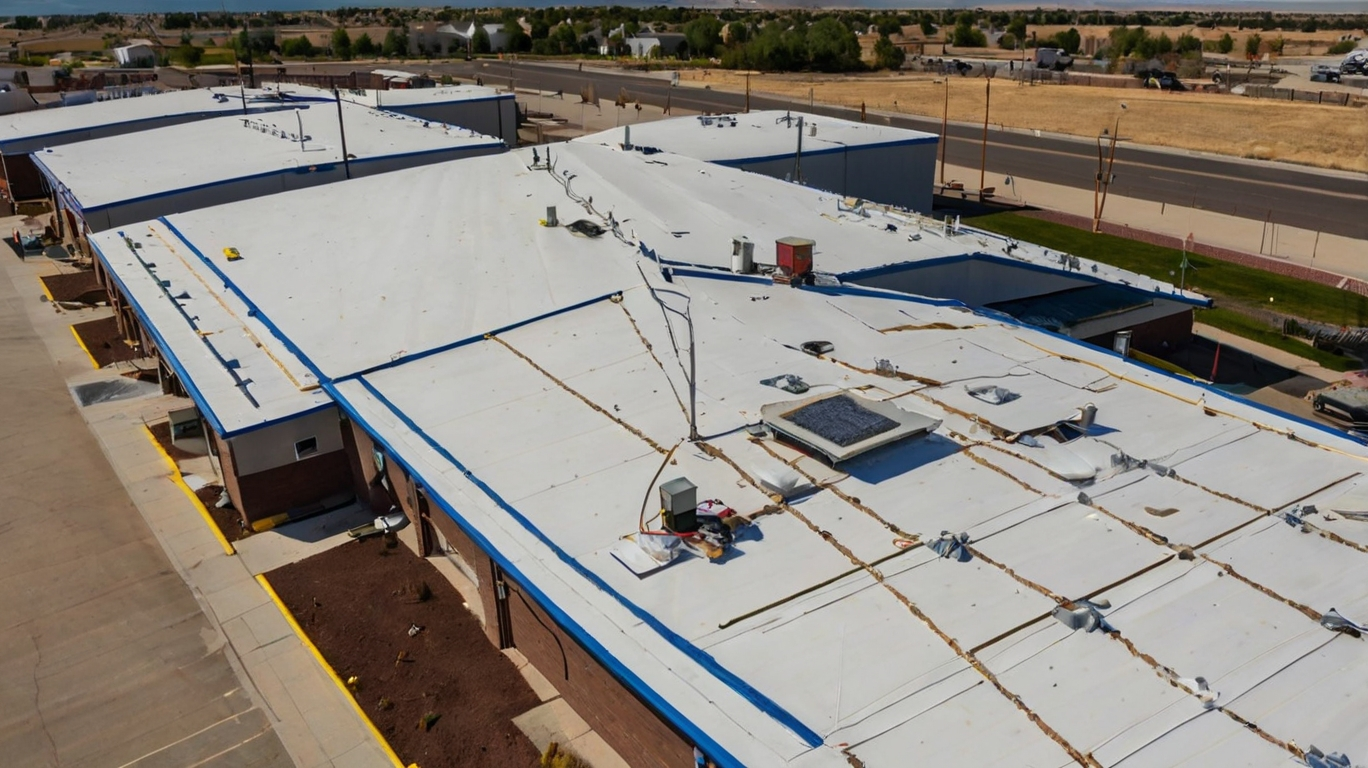

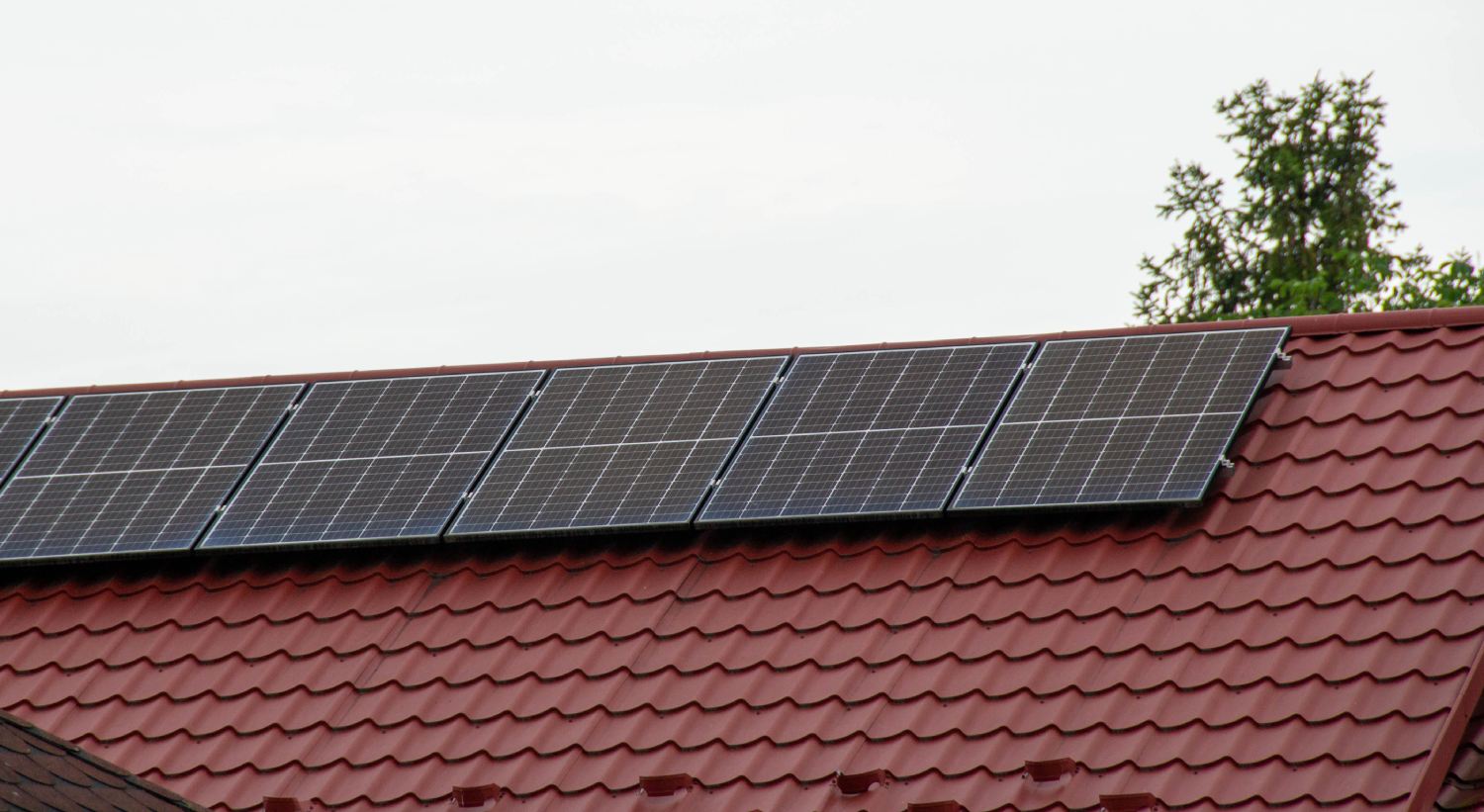
In the Northern Hemisphere, where the United States, Europe, and Asia are located, June marks the official start of summer. Depending on how a property owner measures the season, summer kicks off either on June 1st meteorologically or around June 20th through June 22nd astronomically, during the summer solstice. As for whether it is hot, the answer depends entirely on the geographical location of the building. While conditions remain sunny and pleasant in some mountainous regions, the reality is vastly different across the target service footprints of coastal Alabama and Northern Colorado. In Bay Minette, daytime highs quickly climb well into the 90s with heavy Gulf moisture, while Greeley experiences intense high-altitude solar radiation, with both climates placing immense stress on local cooling systems. Transitioning to a modern residential solar roofing infrastructure provides a proactive solution to these distinct geographic challenges.
Why Does Peak Summer Radiation Accelerate Interior Thermal Discomfort?
Unprotected building envelopes absorb massive amounts of thermal energy when the summer solstice brings prolonged daily sunshine to the region. The sun beats down directly on traditional shingles, driving attic temperatures upward until the heat migrates downward into the living spaces. When a building lacks advanced insulation layers like expanding foam, the structure acts as a heat trap. Foam insulation helps maintain cooling within a home or office by creating an airtight seal that repels radiant energy. Without this critical thermal barrier, the indoor climate becomes incredibly hot, forcing central air conditioning units to run continuously without relief.
The direct effect of an overworked cooling system is an immediate spike in monthly financial obligations. Operating traditional HVAC machinery against constant radiant heat transmission consumes massive amounts of electricity, driving power statements to record highs. Homeowners who rely solely on grid power during peak seasonal heat waves face unpredictable utility rates that strain operations. Transitioning to an integrated infrastructure that generates power directly from the sun reverses this trend, neutralizing the financial impact of seasonal climate shifts.
How Does Advanced Material Integration Minimize Rising Monthly Utility Expenses?
Standard residential layouts often fail to mitigate the intense atmospheric pressure delivered by southern summer weather patterns or western mountain sun. When traditional materials degrade under high ultraviolet exposure, the building loses its ability to reflect solar radiation efficiently. Upgrading the outer barrier with a modern, integrated setup intercepts this energy before it penetrates the decking. Implementing high-efficiency photovoltaic modules converts the very radiation that causes indoor overheating into usable electrical currents.
What Operational Safeguards Materialize From Professional Exterior Assessments?
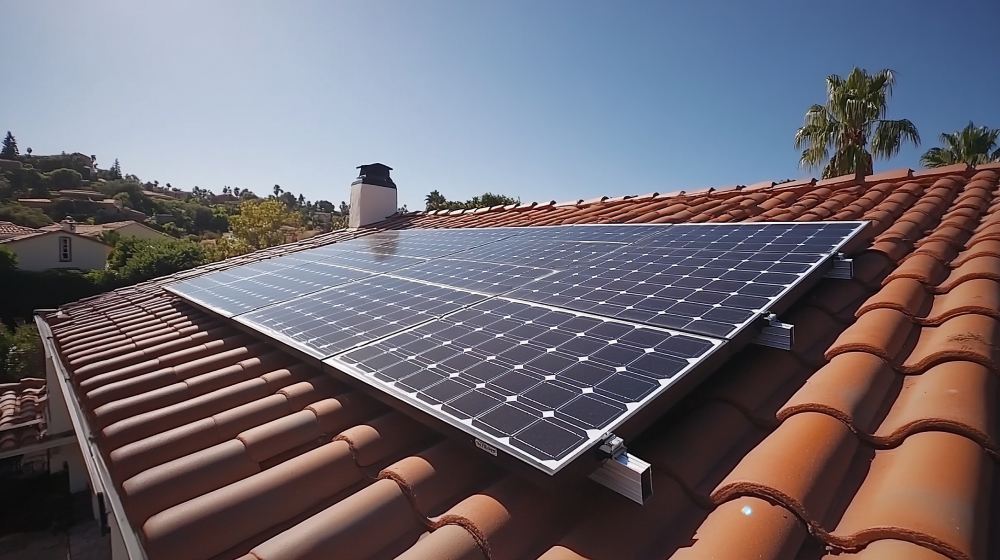
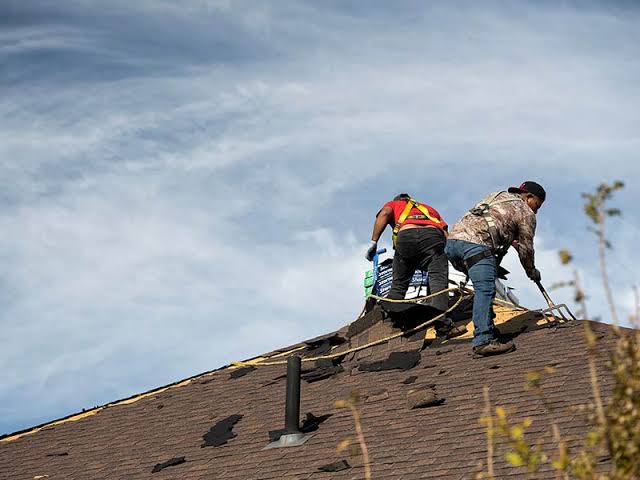
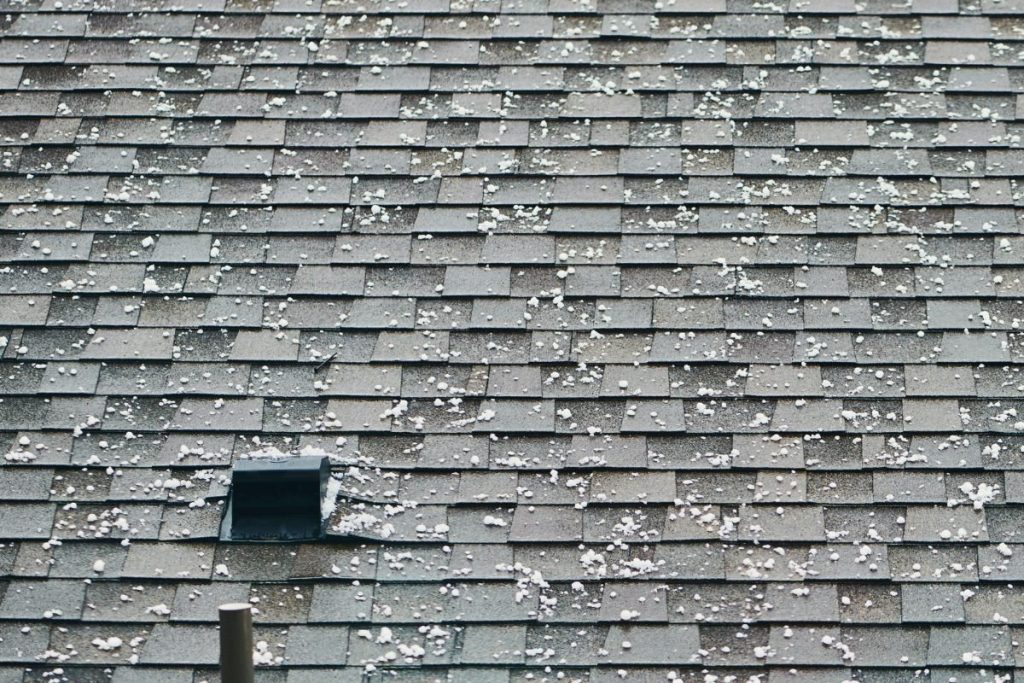
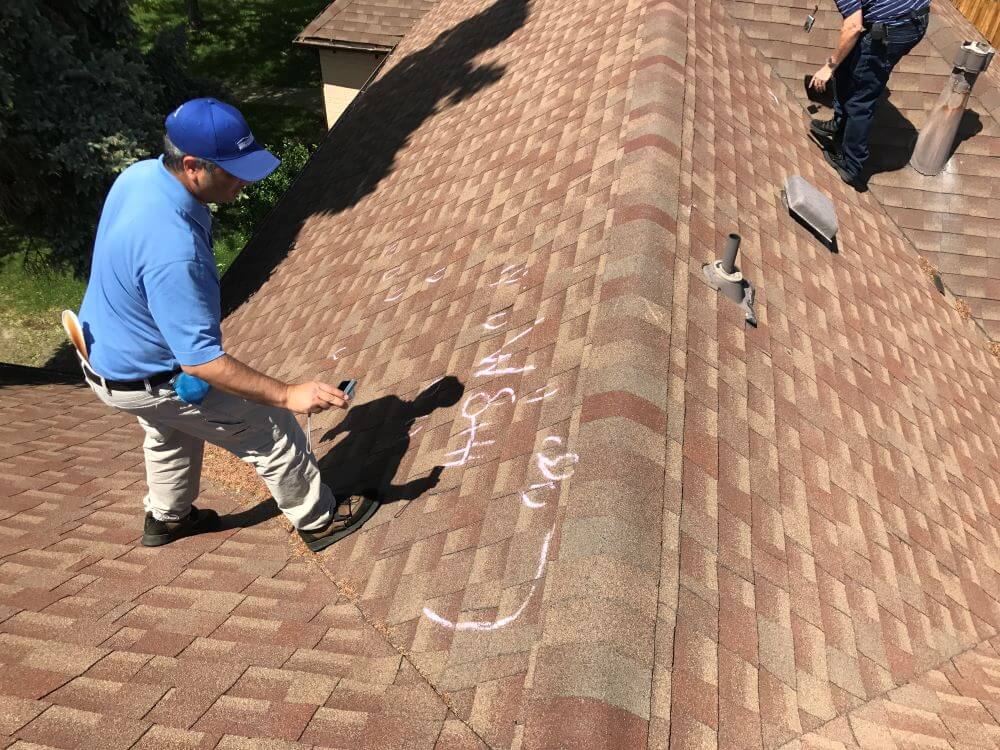
Maximizing a property’s energy-producing capacity requires a systematic review of the existing structure before any upgrades begin. An expert inspection identifies structural weaknesses, advanced material wear, or shading issues that limit energy collection. When a specialist conducts an initial roof review, the structural integrity of the decking is verified to ensure it can safely support new materials. Discovering hidden vulnerabilities early ensures that the building envelope remains perfectly watertight before hardware is mounted.
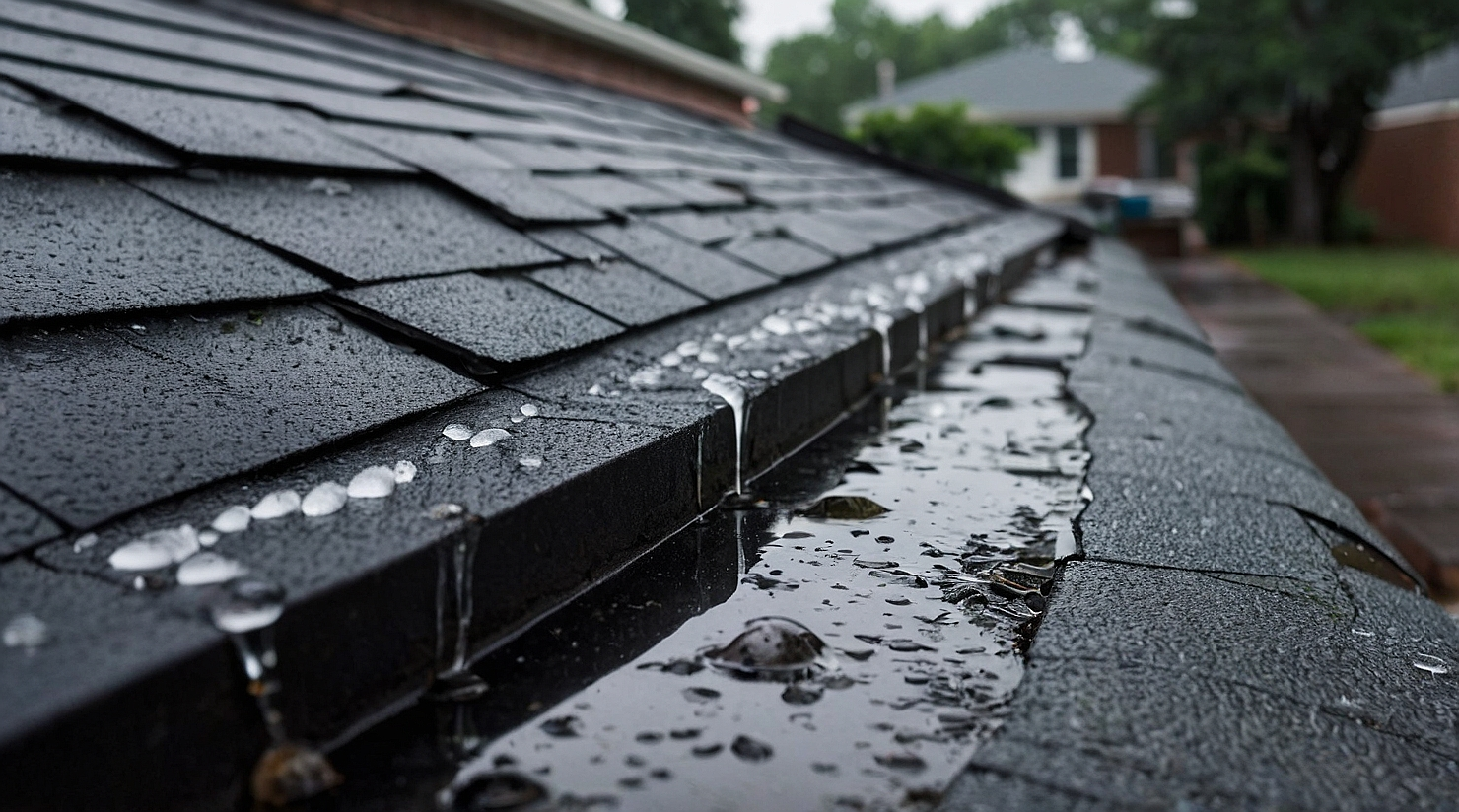
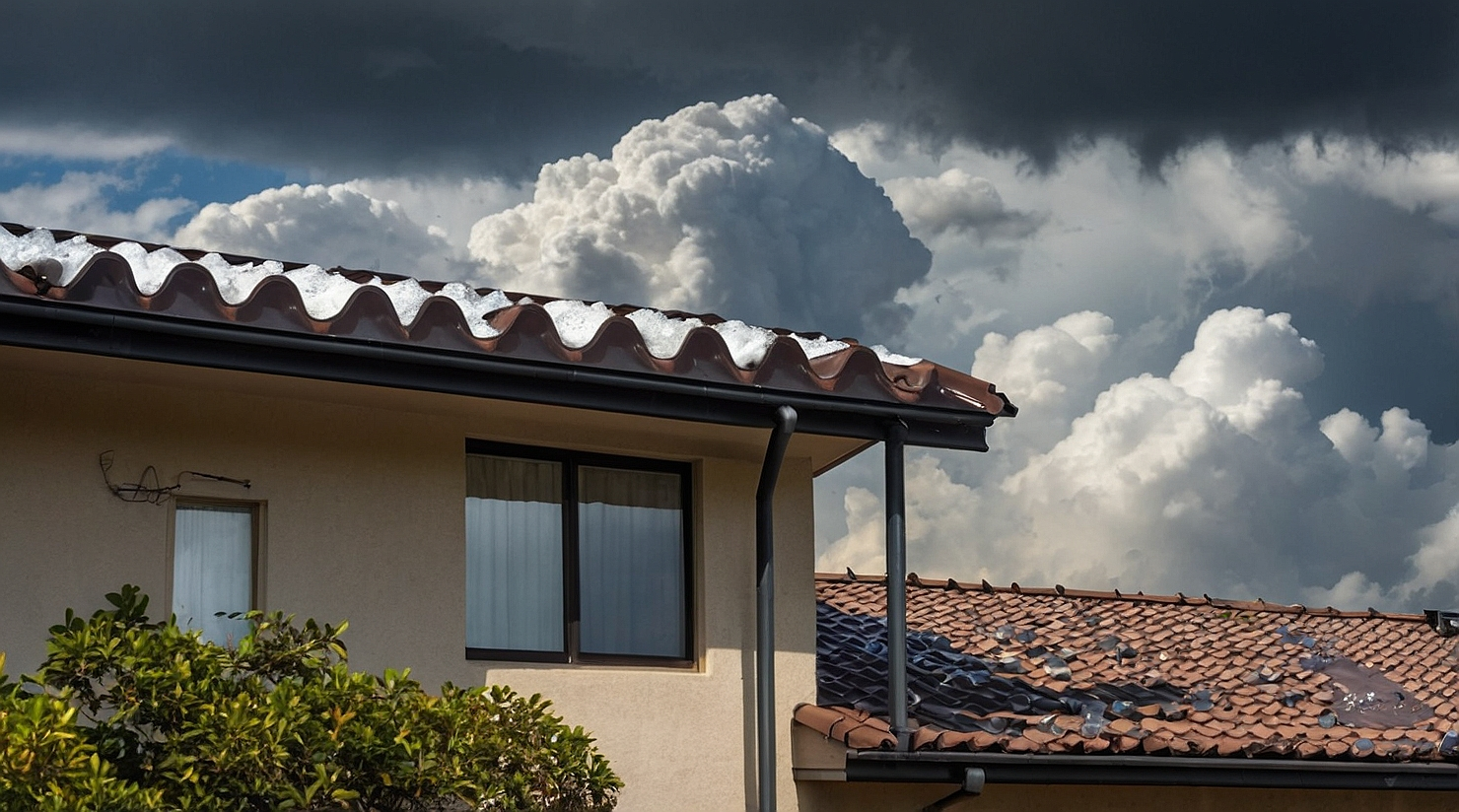
Skipping this foundational evaluation leads to operational failures when severe weather patterns strike the region. Summer thunderstorms frequently bring sudden wind shifts and heavy downpours that test the limits of an unverified roof system. Securing an advanced inspection guarantees that every flashing point, seam, and support beam satisfies local building codes. This physical verification provides long-term peace of mind, confirming that the building remains secure against moisture intrusion while operating at maximum thermal efficiency.
Choosing an infrastructure upgrade that combines structural protection with renewable generation stabilizes the long-term overhead of the building. The property becomes a self-sustaining asset that resists the financial pressures of peak summer demand cycles. Investing in an advanced upgrade also modernizes the visual profile and market relevance of the structure. Buildings outfitted with renewable technology attract higher valuation because they solve the ongoing problem of high energy maintenance. This upgrade path stops the cycle of rising utility bills from draining financial resources every summer, ensuring that the entire facility operates cleanly, efficiently, and securely through the most demanding seasonal heat waves.
Faithful Roofing and Contracting has delivered the specialized expertise necessary to safeguard residential and commercial properties throughout Alabama and Colorado. Managing the atmospheric pressure of intense summer heat waves demands a reliable relationship with local specialists who respect both your physical asset and your schedule, analyzing every flashing point to satisfy the unique requirements of the regional environment. Interrupting these hidden exterior weak points early prevents severe climate stress from compromising the structural longevity of the property.