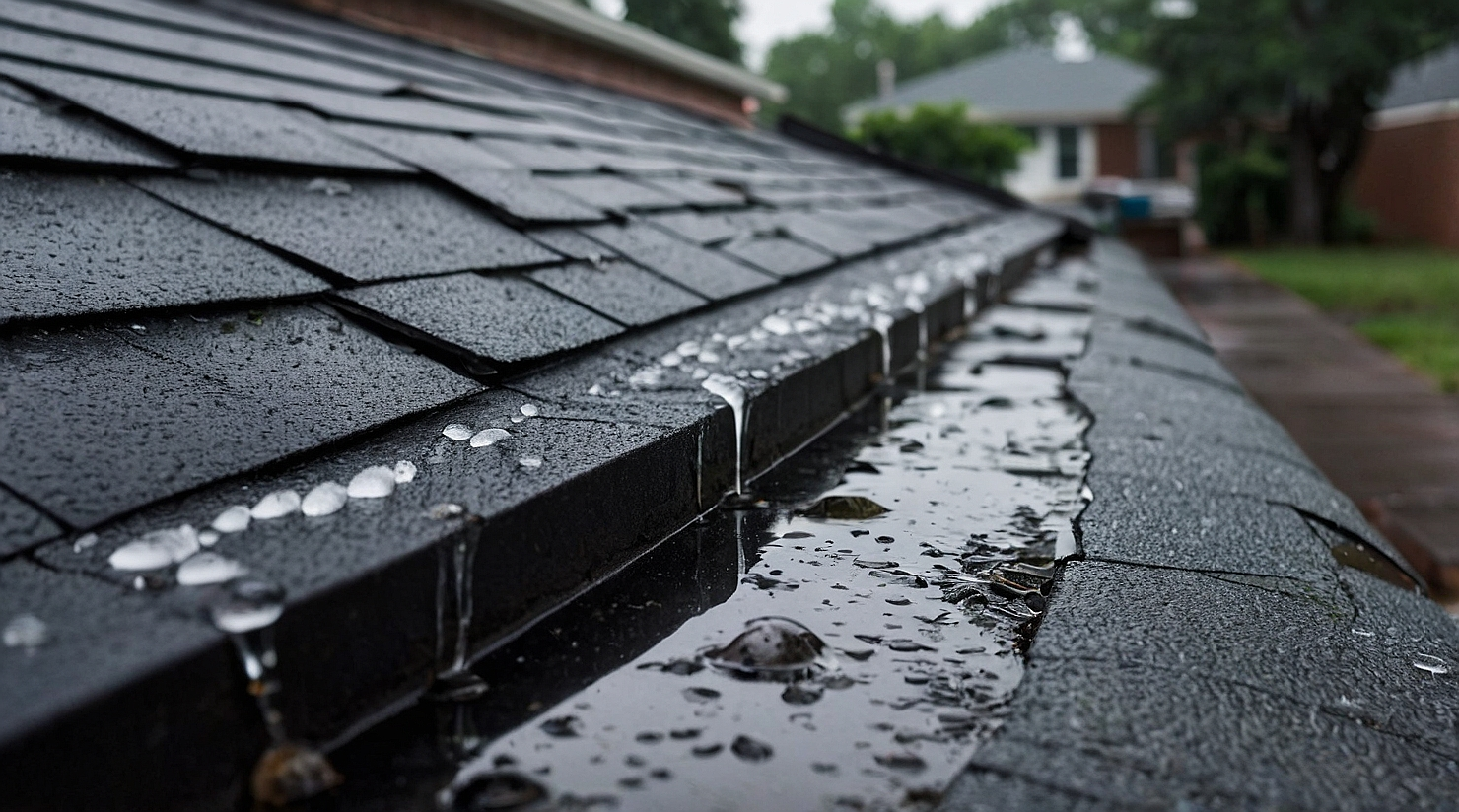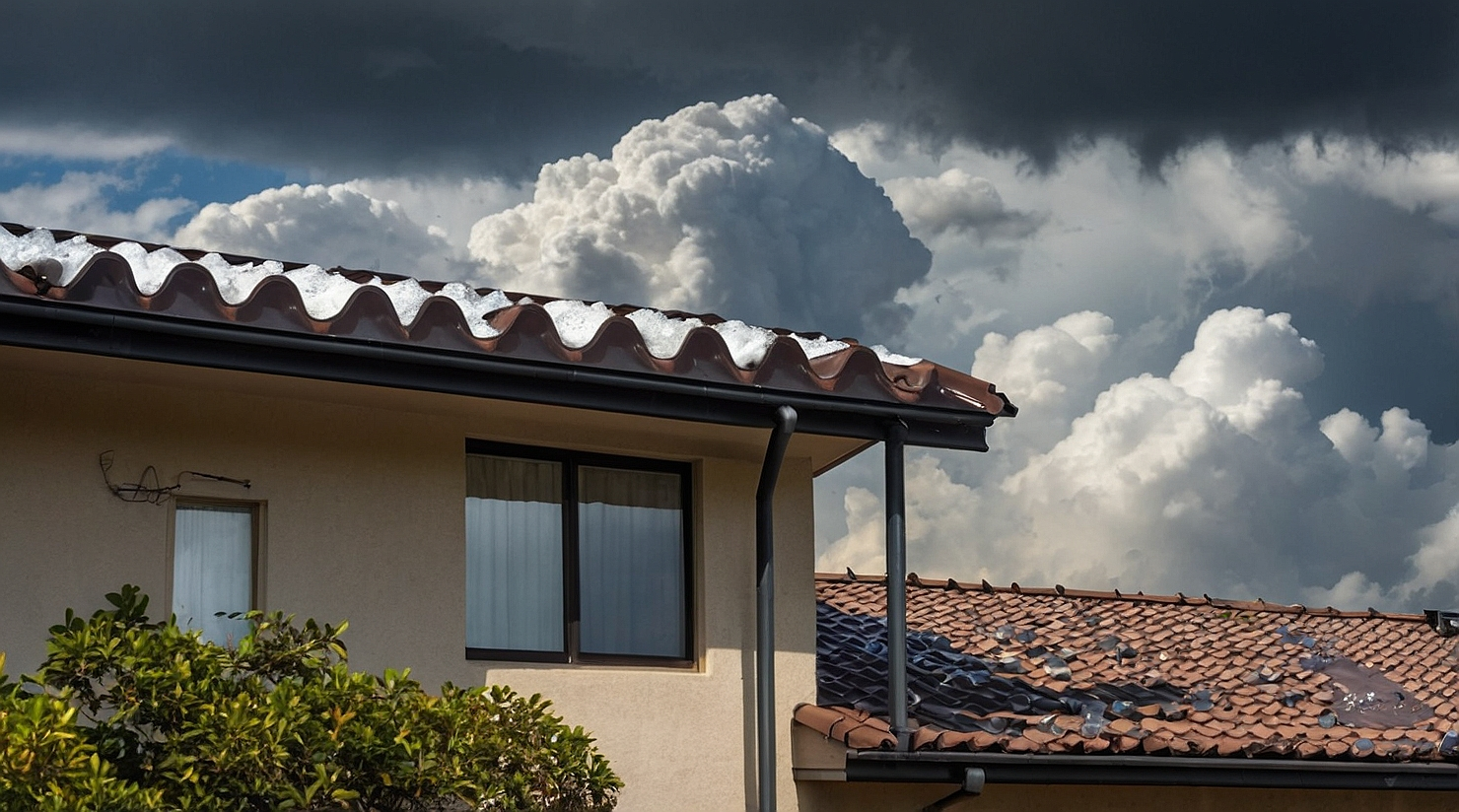


Ice dams are a common winter challenge for homeowners in Colorado, especially in areas like Loveland where freezing temperatures and heavy snowfall can combine to create the perfect conditions for roof damage. While icicles may look charming from the outside, the ice buildup behind them can cause significant issues—leaks, water damage, mold growth, and even structural problems. At Faithful Roofing and Contracting, we educate homeowners on how to prevent these winter hazards and keep their roofs protected throughout the cold season.
Understanding how ice dams form and taking proactive steps to stop them is the key to protecting both your roof and your home. Below, we break down the causes, risks, and most effective prevention strategies.
What Are Ice Dams and How Do They Form?
Ice dams form when snow on a warm portion of the roof melts, then refreezes near the colder edges or gutters. This cycle of melting and refreezing creates a ridge of ice that traps additional melting snow behind it. Over time, the trapped water can seep beneath shingles and leak into the attic or interior walls.
Several factors contribute to ice dam formation:
- Warm air leaking into the attic
- Poor roof insulation
- Inadequate ventilation
- Heavy snowfall combined with fluctuating temps
- Sun exposure melting snow on certain roof slopes
When these conditions combine, ice dams can form quickly—sometimes after just one storm.
Why Ice Dams Are a Serious Problem
If left untreated, ice dams can lead to:
- Roof leaks and water damage
- Wet insulation and reduced energy efficiency
- Mold and mildew inside the home
- Structural wood damage
- Damage to gutters, siding, and exterior trim
- Premature roof deterioration
Because of these risks, prevention is far more effective—and far less expensive—than repair.
How to Prevent Ice Dams on Your Roof
Preventing ice dams comes down to controlling attic temperature and ensuring the roof stays cold enough to prevent melting snow from pooling. Here are the most effective strategies homeowners should follow.
1. Improve Attic Insulation
Proper insulation keeps warm indoor air from rising into the attic, where it would otherwise heat the roof and trigger melting. Adding insulation to the attic floor is one of the easiest and most effective ways to reduce the temperature difference that causes ice dams.
Benefits of proper insulation include:
- Lower energy bills
- Reduced heat loss
- Fewer hot spots on the roof
- More consistent indoor temperatures
Spray foam, blown-in insulation, and fiberglass batting are all effective options.
2. Seal Air Leaks Around Vents and Gaps
Warm air sneaks into the attic through gaps around plumbing stacks, chimneys, recessed lighting, wiring holes, and attic hatches. Sealing these leaks keeps the attic cold and your roof safe.
Air leak sealing may include:
- Caulking around vent pipes
- Adding weatherstripping to attic doors
- Sealing gaps around light fixtures
- Foam sealing cracks and openings
This improves both energy efficiency and ice dam prevention.
3. Ensure Proper Attic Ventilation
Ventilation allows cold outdoor air to circulate through the attic, keeping the roof temperature closer to the outdoor temperature. When air flows correctly, snow on the roof stays frozen and cannot melt unevenly.
Key ventilation components include:
- Soffit vents
- Ridge vents
- Gable vents
A balanced ventilation system will allow cold air to enter at the eaves and exit at the ridge, maintaining a consistent roof temperature.
4. Clear Snow Off the Roof After Heavy Storms
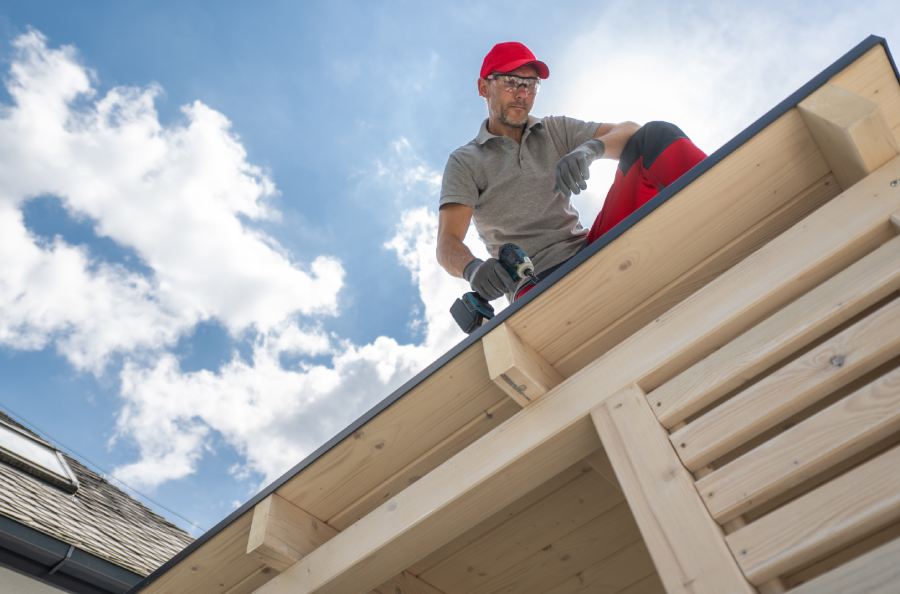
Removing snow from your roof can help prevent ice dams after big snowfall events. Using a roof rake allows you to safely pull snow off the first few feet of roof above the gutters, which is often where ice begins to form.
Important safety notes:
- Always use a roof rake from the ground
- Avoid climbing onto snowy roofs
- Be mindful of electrical wires and falling snow
If snow removal feels unsafe or overwhelming, hiring a professional is the best choice.
5. Install Ice and Water Shield
When replacing your roof or repairing significant sections, consider installing an ice and water shield along the eaves. This underlayment provides added protection by preventing water from backing up under shingles and leaking into the home.
Ice and water shield is especially effective for homes in snowy climates and is a standard recommendation for long-term protection.
6. Keep Gutters Clean and Functioning
Clogged gutters can worsen ice dam formation by trapping water and preventing proper drainage. Keeping gutters free of debris ensures melting snow has a clear path away from the roofline.
Regular gutter maintenance helps reduce:
- Ice buildup
- Overflow onto siding
- Added weight on the edge of the roof
Gutter guards can also help minimize debris buildup.
7. Consider Heat Cables as a Temporary Solution
Heat cables can melt snow and ice before they accumulate, making them a helpful tool in problem areas. They’re not a substitute for proper insulation and ventilation, but they can provide seasonal relief.
Heat cables are often used along:
- Roof eaves
- Gutters
- Downspouts
- Valleys where snow collects
This solution works best when paired with other preventative measures.
Trust Faithful Roofing and Contracting for Ice Dam Prevention and Winter Roofing Care
At Faithful Roofing and Contracting, we help homeowners prepare their roofs for winter and avoid costly seasonal damage. Whether you need an inspection, insulation upgrades, ventilation improvements, or guidance on preventing ice dams, our team is here to help.
We provide winter-ready roofing solutions designed to protect your home, improve energy efficiency, and extend the life of your roof. If you’ve experienced ice dam issues in the past or want to ensure your roof is ready for cold weather, we’re here to support you with reliable service and professional expertise.
Schedule Your Winter Roof Inspection Today
Preventing ice dams starts with understanding your roof’s condition. Contact Faithful Roofing and Contracting today to schedule a winter inspection and take the first step toward a safer, better-protected home this season.